
underground rail transport: power supply systems
2026-07-19
- Underground Rail Transit: The Critical Role of Power Supply Systems
- Architecture of traction substations and distribution networks
- Technical standards and equipment certification GOST and IEC
- Comparative analysis of energy conversion technologies
- Operational problems and methods for preventing them
- Modernization and energy saving strategies
- The role of specialized equipment in ensuring reliability
- Frequently Asked Questions
- Conclusion and recommendations for choosing a supplier
Underground Rail Transit: The Critical Role of Power Supply Systems
The safety and capacity of underground rail transport directly depend on the reliability of the power supply system. In our practice, we have encountered situations where a metro line downtime for 40 minutes due to a failure in a traction substation led to the loss of more than 15,000 passengers and financial losses for the operator amounting to millions of rubles. The key parameter here is not just the presence of voltage, but frequency stability and the absence of harmonic distortion, which can damage modern microprocessor train protection. The system must provide uninterrupted power supply even during peak loads during the morning and evening rush hours, when the driving interval is reduced to 90 seconds.
Infrastructure design for subways and light rail systems requires consideration of the specific conditions of confined spaces. High humidity, vibration from passing trains and limited tunnel space dictate stringent requirements for equipment. We see a trend of transition from traditional solutions based on rectifiers with diode bridges to pulse converters with active power factor correction. This makes it possible to reduce reactive energy consumption by 25-30% and reduce heat generation in tunnels, which is critical for reducing ventilation costs. Errors at the stage of choosing the type of substation often lead to the need for expensive modernization after 5-7 years of operation.
Architecture of traction substations and distribution networks
The basis of any power supply system for underground rail transport is a traction substation, which converts the energy of the city high-voltage network into direct current of the 750V or 825V standard. In modern projects, we recommend using circuits with double-sided power supply to sections of the contact rail, which makes it possible to localize accidents and ensure redundancy. When designing, it is necessary to take into account the voltage drop along the track section: if the distance between substations exceeds the design value (usually 2-2.5 km for heavy lines), the speed of trains during acceleration can decrease by 15%, which violates the traffic schedule. Our engineers always carry out a detailed calculation of current loads, taking into account recurrent intervals and the mass of the rolling stock.
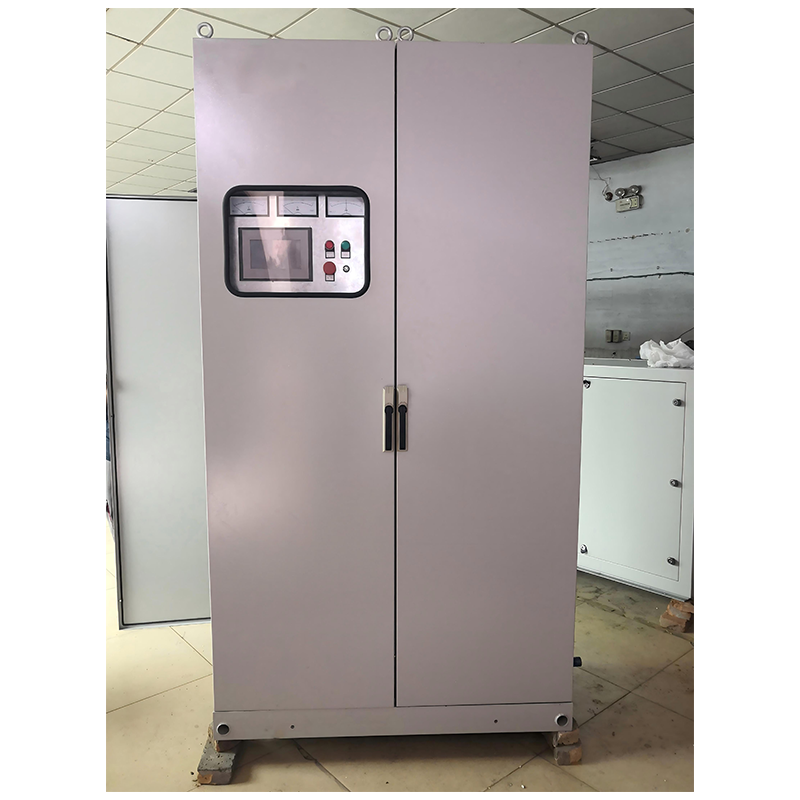
Low voltage switchgears must be protected to IP54 or higher to withstand the effects of conductive metal dust generated when pantographs rub against the contact rail. The use of open cabinets in subway conditions is a serious mistake, which has repeatedly led to short circuits and fires. We insist on the use of modular designs with the ability to hot-swappable power units without shutting down the entire bus section. This reduces the system recovery time from several hours to 15-20 minutes, which is critical for maintaining traffic schedules during peak hours.
Automatic control and dispatch systems (SCADA) play the role of the central brain of the entire infrastructure. They must monitor in real time not only the main parameters of current and voltage, but also the temperature of power transformers, the state of insulation and the vibration level of equipment. Integration of this data with the train traffic control system allows optimization of energy recovery modes during braking. When the train brakes, it feeds energy back into the grid; if at that moment there is no other train nearby that consumes energy, the voltage in the network can increase abruptly, causing the protection to operate. Modern inverter substations are capable of dumping excess energy back into the city AC network, saving up to 20% of electricity.
The choice of location for substations often becomes a compromise between technical requirements and urban planning restrictions. The ideal location is in the center of the electric arm, but in dense urban areas this is not always possible. In such cases, we use booster stations or strengthen the section of the return rail to reduce the ground potential. Ignoring this aspect leads to accelerated corrosion of underground communications (pipelines, communication cables) due to stray currents. One of our clients faced claims from city water utilities due to through-corrosion of pipes caused by improper organization of the traction current drainage system.
Contact reliability in high voltage DC circuits is another bottleneck. Oxidation of the contact surfaces increases the contact resistance, which leads to local overheating and possible fire. Regular thermography of connections should be carried out at least once a quarter, and in areas of high humidity - monthly. The use of silver coatings on the contact surfaces of buses is justified only in critical components, since the cost of such a solution is high, but in the long term it reduces the risks of emergency shutdowns. We recommend using ultrasonic inspection of bolted joints for every scheduled maintenance.
Technical standards and equipment certification GOST and IEC
Compliance with international and national standards is not a bureaucratic formality, but a guarantee of the safety of passengers and staff. For the Russian and CIS market, the key document is GOST R 52763-2007, which regulates the requirements for metro traction substations. Equipment that does not have a certificate of compliance with this standard or the international equivalent of IEC 62271 is not allowed for use in underground structures. The difference between these standards lies in the methods of testing for climatic influences: GOST requires testing of performance under a wider range of temperatures and humidity, characteristic of continental climates. Suppliers who ignore these differences risk delivering equipment that fails in the first winter.
EAC (Eurasian Conformity) certification is mandatory for all electrical system components supplied to the single customs union. The process of obtaining a declaration of conformity includes not only laboratory testing of samples, but also analysis of production. This means that the manufacturer must have a valid ISO 9001 quality management system. The absence of such a certificate from the manufacturer automatically makes it impossible to legally put the equipment into operation. We have observed cases where attempts to save on certification led to the dismantling of already installed systems and fines from supervisory authorities, which ultimately increased the cost of the project by 40%.
Fire safety requirements in underground facilities are extremely stringent. All cable lines and electrical equipment must be made of flame retardant materials (marked ng-LS or ng-HF). In the event of a fire, the power supply system must automatically de-energize the emergency area within 0.5 seconds to prevent electric shock to people during evacuation. The use of standard industrial circuit breakers instead of specialized high-speed DC switches is unacceptable. The shutdown time for conventional circuit breakers can be several seconds, which is enough for an arc discharge to occur and the insulation to ignite.
Electromagnetic compatibility (EMC) is becoming an increasingly pressing issue with the increasing number of digital electronics on trains. Signaling, communication and automatic train control systems are sensitive to high-frequency interference generated by thyristor converters. The EN 50121 standards define the limits for radiated interference. If equipment fails EMC tests, it may cause false alarms or loss of driver-dispatcher communication. We recommend that suppliers require EMC test reports from accredited laboratories, rather than simply a manufacturer's declaration.
Environmental regulations also influence technology choices. Old mercury rectifiers are completely prohibited for use due to toxicity. Modern silicon and transistor converters are safer, but require proper disposal at the end of their service life. In addition, the noise level from operating transformers and substation fans should not exceed sanitary standards, especially if the substation is located in a residential area or has a ventilation outlet near residential buildings. The use of soundproof casings and vibration-proof foundations is a prerequisite for obtaining a building permit.
Comparative analysis of energy conversion technologies
The choice of AC to DC conversion technology determines the efficiency and reliability of the entire system. Below is a comparison of the three main types of traction substations used in modern underground rail transport.
| Comparison parameter | Diode Rectifiers (Uncontrolled) | Thyristor converters (Controlled) | IGBT inverters (Active rectifiers) |
|---|---|---|---|
| Power factor (cos φ) | 0.75 – 0.85 (requires compensation) | 0.85 – 0.92 (depending on opening angle) | 0.98 – 0.99 (single, does not require compensation) |
| Network harmonic distortion | High (requires harmonic filter) | Medium (depending on load) | Minimum (< 5%, IEEE 519 compliant) |
| Recovery Possibility | None (energy dissipated in resistors) | Limited (requires inverter mode) | Full (energy return to AC network) |
| System efficiency | 96-97% | 95-96% | 97-98% |
| Cost of implementation (CAPEX) | Low (basic solution) | Average | High (30-40% more expensive than diodes) |
| Operating Expenses (OPEX) | High (energy loss, filter maintenance) | Average | Low (energy savings up to 25%) |
| Payback period | Not applicable | 5-7 years | 3-4 years (with heavy traffic) |
Diode rectifiers remain the most common solution due to their simplicity and low initial cost. However, their main disadvantage - the inability to return braking energy to the network - makes them economically unviable for lines with frequent traffic and heavy trains. Energy that could be used is converted into heat in the braking resistors, raising the temperature in the tunnels and increasing the load on the ventilation system. We recommend this technology only for lines with low passenger volumes or tram routes where service intervals are long.
Thyristor converters represent the golden mean. They allow you to smoothly regulate the output voltage and partially implement the recuperation mode. However, they generate a significant amount of harmonics, which requires the installation of expensive filtering devices. In addition, thyristors are sensitive to switching overvoltages and require a complex cooling system. In our practice, there have been cases of failure of thyristor units due to insulation breakdown during lightning overvoltages in the city network if the protection was configured incorrectly.
IGBT inverters (insulated gate transistors) are the technology of the future and are becoming the standard for new designs. They provide ideal current shape, high power factor and complete energy recovery. Despite the high initial cost, they pay for themselves through energy savings and lower tunnel cooling costs. The only significant drawback is the difficulty of repair: replacing an IGBT module requires highly qualified personnel and special equipment. However, for megacities with expensive electricity tariffs, this is the only right solution.
When choosing a technology, it is necessary to take into account not only technical characteristics, but also the availability of spare parts in the region of operation. For older lines, where the rolling stock consists of cars with a rheostat-contactor control system, the installation of IGBT substations can lead to unstable operation due to differences in load resistance characteristics. In such cases, a comprehensive modernization of both infrastructure and rolling stock is required. We recommend that you conduct an audit of your existing system before deciding to replace equipment.
Operational problems and methods for preventing them
During the operation of power supply systems of underground rail transport, a number of specific problems arise that are associated with an aggressive environment and cyclic loads. One of the most common is the degradation of DC cable insulation. Constant exposure to moisture, oils and metal dust leads to a decrease in insulation resistance and the occurrence of leakage currents. If the leakage current exceeds the protection setting, a false shutdown of the section occurs, which paralyzes movement. Regular monitoring of insulation resistance using megohm meters and installation of continuous insulation monitoring devices (CIMDs) can prevent such incidents.
Corrosion of the conductor rail and pantographs is another serious problem. Electrochemical processes, enhanced by stray currents, destroy the metal, increasing the contact resistance and causing sparking. Sparking, in turn, leads to burnout of the contact surface and contamination of insulators with conductive carbon deposits. To combat this phenomenon, it is necessary to use lubricants for the contact rail, which reduce friction and protect the metal from oxidation. However, using the wrong type of lubricant can impair current collection, so the choice of material should be based on the recommendations of the rolling stock manufacturer.
Overheating of power transformers in the summer often causes emergency shutdowns. Ventilation of substations located deep underground often fails to remove heat, especially if the supply shafts are clogged with debris or their productivity is reduced due to changes in urban development. Installing automatic fan speed control systems based on transformer oil temperature helps extend equipment life. In critical cases, the installation of additional chillers or air conditioning systems is required, which significantly increases the energy consumption of the substation itself.
The human factor remains the weak link in the safety chain. Personnel errors during switching in switchgear can lead to the supply of high voltage to the grounded area or the opposite switching on of power sources. The implementation of interlocking systems to prevent incorrect operations (eg mechanical interlocking of knives and switches) is a mandatory requirement. In addition, regular staff training and simulator training on actions in emergency situations help minimize risks. We record that 60% of accidents occur precisely at the time of scheduled repair work due to violation of regulations.
The problem of aging infrastructure is becoming increasingly acute for many cities. Equipment installed 30-40 years ago is exhausting its service life, and spare parts for it are no longer produced. Attempts to maintain the operation of such systems through handicraft repairs lead to a decrease in reliability. Phased modernization programs, which involve replacing the most worn-out components first, make it possible to distribute the financial burden and avoid large-scale downtime. It is important to plan these works taking into account train schedules, carrying them out mainly at night.
Modernization and energy saving strategies
Upgrading your electrical system is a complex process that requires careful planning and coordination with the traffic authority. The most effective approach is to gradually replace equipment while maintaining the operability of the line. For example, replacement of rectifier units can be done one unit at a time while the others continue to operate, providing power to the area. This requires temporary power supplies and mobile backup equipment. Experience shows that a complete shutdown of the line for modernization is not economically feasible due to the colossal losses from the cessation of transportation.
Внедрение систем накопления энергии (СНЭ) на базе литий-ионных аккумуляторов или суперконденсаторов открывает новые возможности для энергосбережения. Такие системы устанавливаются на тяговых подстанциях и аккумулируют энергию рекуперации при торможении поездов, отдавая ее обратно при разгоне. Это позволяет сгладить пиковые нагрузки на городскую сеть и снизить максимальную мощность потребления, что уменьшает плату за мощность в счетах за электроэнергию. Кроме того, СНЭ могут использоваться как аварийный источник питания для освещения и вентиляции тоннелей в случае полного обесточивания внешней сети.
Цифровизация процессов обслуживания переводит эксплуатацию на новый уровень. Использование датчиков IoT позволяет перейти от планово-предупредительных ремонтов к ремонтам по фактическому состоянию. Анализ данных о температуре, вибрации и токовых нагрузках в реальном времени позволяет прогнозировать отказы за недели до их наступления. Это снижает количество внезапных аварий и оптимизирует затраты на запасные части и труд ремонтных бригад. Однако внедрение таких систем требует создания защищенных каналов связи и интеграции с существующими АСУ ТП, что может быть затруднено из-за несовместимости протоколов старого оборудования.
Оптимизация графиков движения поездов также влияет на эффективность системы электроснабжения. Синхронизация разгона и торможения соседних поездов позволяет максимально использовать энергию рекуперации внутри участка, не передавая ее в городскую сеть. Диспетчерские программы нового поколения способны рассчитывать оптимальные профили скорости для каждого поезда с учетом текущей загрузки сети. Реализация таких алгоритмов позволяет снизить общее потребление энергии линией на 10-15% без замены физического оборудования.
Investments in modernization power supply systems pay off not only by saving energy, but also by increasing the reliability and capacity of the line. Увеличение частоты движения поездов возможно только при наличии достаточного запаса мощности в тяговой сети. Поэтому проекты развития транспортных артерий мегаполисов всегда начинаются с аудита и усиления энергетической инфраструктуры. Откладывание этих инвестиций приводит к тому, что даже закупка новых современных поездов не дает ожидаемого эффекта из-за ограничений со стороны старой сети.
The role of specialized equipment in ensuring reliability
Помимо электрических компонентов, критическую роль в поддержании стабильности работы энергосистем играет качественное теплообменное и вспомогательное оборудование. Подземные условия характеризуются высокой влажностью и агрессивной средой, что предъявляет экстремальные требования к материалам и конструкции технических узлов. Именно здесь опыт компаний, специализирующихся на производстве высокотехнологичного оборудования для энергетики и нефтехимии, становится незаменимым.
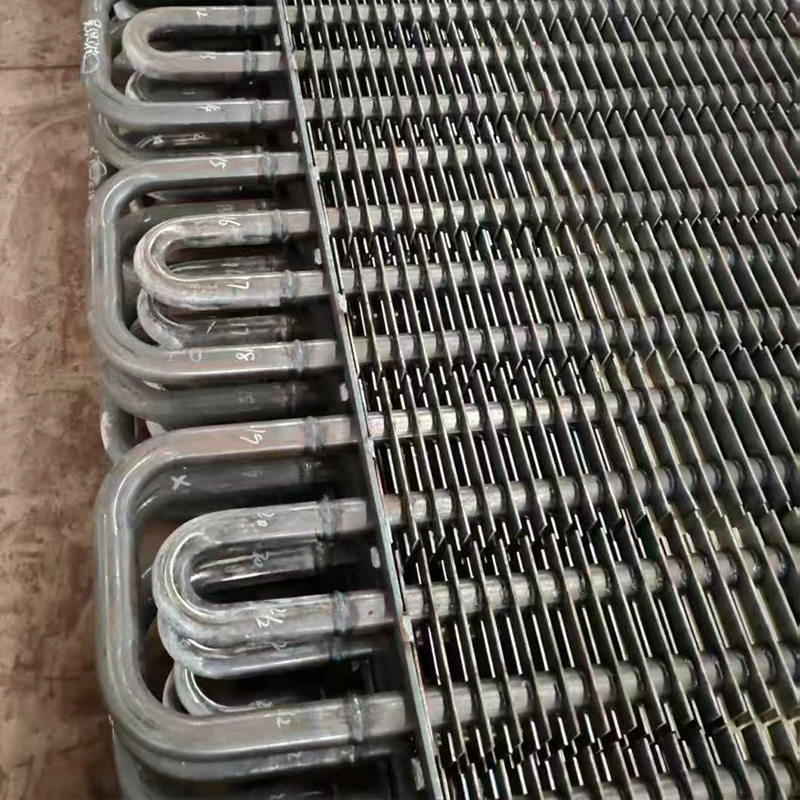
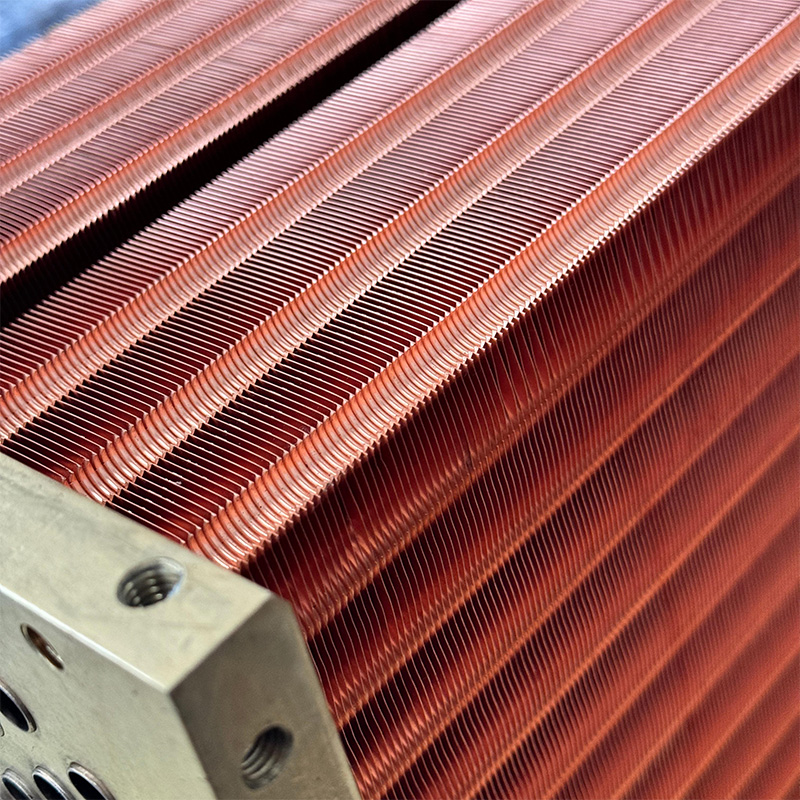
Например, ООО «Уси Кайшэн Электроэнергетическое и Нефтехимическое Оборудование» демонстрирует подход, необходимый для современных инфраструктурных проектов. Компания специализируется на разработке и производстве теплообменного оборудования, способного работать в самых суровых условиях. Их продукция, включая титановые кожухотрубные теплообменники и аппараты из высокопрочных сплавов (таких как никелевый сплав N06625, морская латунь C46400 и нержавеющая сталь 316), обладает исключительной коррозионной стойкостью и устойчивостью к высоким давлениям и температурам. Эти характеристики напрямую коррелируют с требованиями к оборудованию для метрополитенов, где надежность систем охлаждения трансформаторов и вентиляции тоннелей является вопросом безопасности.
Сертификация продукции по международным стандартам PED и ASME, которой обладает ООО «Уси Кайшэн», подтверждает возможность использования их решений в ответственных отраслях, включая энергосбережение и судостроение. Применение таких материалов, как гофрированные трубные пучки из нержавеющей стали или медно-никелевых сплавов C70600, позволяет создавать системы, устойчивые к воздействию соленой воды и химических реагентов, что актуально не только для нефтепереработки, но и для защиты инфраструктуры метро от агрессивных грунтовых вод и блуждающих токов. Индивидуальный подход к созданию решений и наличие собственного производства позволяют заказчикам получать оборудование, точно соответствующее специфическим техническим заданиям проектов модернизации транспортных систем.
Frequently Asked Questions
Какое напряжение используется в системах метрополитена?
Стандартным напряжением для подземного рельсового транспорта в России и большинстве стран СНГ является постоянный ток 750 Вольт. В некоторых старых системах или специфических проектах может встречаться напряжение 825 Вольт. Выбор именно постоянного тока обусловлен характеристиками тяговых двигателей и возможностью простого регулирования скорости. Переход на переменный ток в подземных условиях нецелесообразен из-за сложности организации контактной сети и повышенных требований к изоляции.
Как часто необходимо проводить обслуживание тяговых подстанций?
Плановое техническое обслуживание тяговых подстанций должно проводиться не реже одного раза в 6 месяцев согласно регламенту производителя и требованиям ГОСТ. Однако ключевые параметры, такие как температура контактов и уровень изоляции, должны контролироваться ежедневно с помощью систем автоматического мониторинга. Полная профилактика с отключением оборудования и проверкой механических характеристик выключателей выполняется ежегодно. Игнорирование графика ТО является основной причиной преждевременного выхода оборудования из строя.
Что делать при срабатывании максимальной токовой защиты?
При срабатывании защиты нельзя пытаться включить автомат повторно немедленно. Сначала необходимо выяснить причину отключения: произошло ли короткое замыкание в сети, неисправность самого выключателя или перегрузка. Персонал должен осмотреть контактный рельс на предмет посторонних предметов, проверить состояние токоприемников поездов в зоне отключения и измерить сопротивление изоляции. Только после устранения причины и подтверждения безопасности линии допускается повторное включение. Попытка включения “наугад” может привести к разрушению оборудования и пожару.
Можно ли использовать обычное промышленное оборудование для метро?
Нет, использование обычного промышленного оборудования категорически запрещено. Оборудование для метрополитена должно иметь специальное исполнение: повышенную вибростойкость, защиту от токопроводящей пыли, устойчивость к высоким уровням влажности и специфические требования по пожарной безопасности. Промышленные автоматы и шкафы не рассчитаны на такие условия и могут стать источником опасности. Кроме того, такое оборудование не пройдет приемку надзорными органами и не будет допущено к эксплуатации.
Какова средняя стоимость модернизации одной тяговой подстанции?
Стоимость модернизации сильно варьируется в зависимости от мощности, типа заменяемого оборудования и условий площадки. В среднем, замена выпрямительного агрегата и низковольтных распределительных устройств обходится в диапазон от 50 до 150 миллионов рублей. Внедрение систем рекуперации и цифрового мониторинга может увеличить эту сумму еще на 30-40%. Точный расчет возможен только после проведения технического аудита и разработки проектной документации.
Conclusion and recommendations for choosing a supplier
Система электроснабжения подземного рельсового транспорта является сложнейшим инженерным организмом, от которого зависит жизнь тысяч людей ежедневно. Надежность этой системы достигается не только качеством оборудования, но и грамотным проектированием, квалифицированным монтажом и строгой дисциплиной эксплуатации. Ошибки на любом из этих этапов могут стоить слишком дорого. При выборе поставщика оборудования и подрядчика для модернизации необходимо обращать внимание не только на цену, но и на наличие успешного опыта реализации аналогичных проектов, собственную сервисную службу и соответствие продукции всем действующим стандартам ГОСТ и IEC.
Мы рекомендуем заказчикам требовать от поставщиков предоставления расширенной гарантии и договора на постгарантийное обслуживание с фиксацией времени реакции на аварийные вызовы. Наличие склада запасных частей в регионе эксплуатации является критическим фактором минимизации простоев. Не стоит экономить на системах мониторинга и диагностики: их стоимость составляет малую долю от общих инвестиций, но они позволяют избежать катастрофических последствий. Инвестиции в современные технологии электроснабжения — это вклад в устойчивое развитие города и безопасность его жителей.
Если вы планируете модернизацию существующей линии или строительство новой ветки метрополитена, свяжитесь с нашими экспертами для проведения предварительного аудита и расчета технико-экономического обоснования. Мы готовы предложить комплексные решения, включающие поставку оборудования, шеф-монтаж и обучение персонала, адаптированные под ваши конкретные условия.Contact us todayдля обсуждения деталей вашего проекта и получения консультации по вопросамподземные рельсовый транспорт: электроснабжение систем.