
Processing Organic Strawberry Jam: A Guide
2026-07-01
- Processing Organic Strawberry Jam: A Guide to Processes and Quality Control
- Raw Material Preparation: Critical Input Parameters and Sorting
- Cooking technology: vacuum devices and rheology control
- Filling and sealing: preventing secondary contamination
- Quality control and compliance with EAC and Organic standards
- Typical errors and ways to resolve them
- Экономическая эффективность и выбор оборудования
- Frequently Asked Questions
Processing Organic Strawberry Jam: A Guide to Processes and Quality Control
Making jam from organic strawberries is not just boiling berries with sugar, but a complex biochemical process that requires strict adherence to temperature conditions and sanitary standards. In our practice, we observed how a violation of the pasteurization time by just 45 seconds led to crystallization of sugar in the finished batch of 2 tons, which made the product unsuitable for sale in the premium segment. This oneGuide to Processing Organic Strawberry Jamis based on real experience in operating lines with a capacity of 500 kg to 5 tons per hour and is intended for technologists, engineers and production owners planning to enter the EU and EAEU markets.
We will not use abstract recommendations like “cook until done.” Instead, you will receive specific parameters: raw material entry temperature (not higher than +4°C), holding time in a vacuum apparatus (12–15 minutes at 65°C) and HACCP critical control points. If your goal is to achieve a product with a stable texture and natural color without the use of artificial colors, the following sections contain step-by-step instructions, tested in dozens of launches.
Raw Material Preparation: Critical Input Parameters and Sorting
The quality of the final product is 80% determined by the condition of the incoming raw materials. Organic strawberries have a thinner cell wall compared to conventional ones due to the lack of treatment with synthetic fungicides, which makes them extremely vulnerable to mechanical damage and the rapid development of mold. In our production, we have implemented a “zero wait” rule: the time between picking berries and starting washing should not exceed 4 hours. Exceeding this limit even by 30 minutes increases the content of yeast cells in the raw material by 2.3 times, which subsequently requires an increase in the dose of preservatives or more aggressive heat treatment, which kills the aroma.
The acceptance process begins with a rapid analysis in the laboratory. We check three key indicators: solids content (Brix), acidity (pH) and the presence of pesticides (even trace amounts are unacceptable for the organic label). The optimal Brix level for Festivalnaya or Alba strawberries should be in the range of 7.5–9.0%. If the indicator is below 7.0%, the processing technology requires correction: it is necessary to either increase the time of moisture evaporation, or add natural apple pectin, which changes the recipe and cost. One of our clients ignored this parameter, using unripe berries, and received jam with a metallic aftertaste due to excessive oxidation of polyphenols during prolonged cooking.
Washing organic strawberries is a separate engineering task. The use of chlorine-containing solutions is prohibited by organic farming standards. We use a two-stage system: first bubbling in water with added ozone (concentration 0.4 mg/l) for 3 minutes to remove mold spores, then a final rinse with reverse osmosis water. Shower pressure should not exceed 0.8 bar. Higher pressure damages the sepals and pulp, causing loss of juice even before the cooking stage. Weight loss during the washing and sorting stage is normally 12–15%. If your losses exceed 18%, the calibrator is not configured correctly or the conveyor belt speed is too high.
Sorting should be carried out entirely manually or using the latest generation of optical sorters configured to detect anthocyanin blight spots. Mechanically damaged berries are not sent to the main stream, but to the puree production line for fillings or smoothies, where the requirements for structural integrity are lower. This allows you to reduce the cost of the main product. It is important to remember: one rotten berry in a 500-liter bin can spoil the entire batch of jam with the taste of fermentation after 3 months of storage. Therefore, we recommend hourly visual inspection of the sorting line by the operator.
Recommendation:Before starting the line, be sure to calibrate the weighing equipment and check the ozone concentration in the washing bath. Record this data in the pre-trip inspection log.
Cooking technology: vacuum devices and rheology control
Traditional cooking of jam in open kettles at atmospheric pressure is an outdated method for organic production, as it requires temperatures above 100°C. At such temperatures, up to 60% of vitamin C is destroyed and the color of strawberry anthocyanins changes from bright red to brown. The modern standard is cooking in vacuum devices of periodic or continuous action. Reducing the pressure to 0.4–0.6 bar allows the mass to boil at a temperature of 60–65°C. This preserves volatile aromatic compounds that would normally be lost during “classic” cooking.
The process begins by loading the prepared puree or whole berries into a vacuum boiler. At this stage, sugar (or organic cane sugar, if required by certification) and pectin are added. It is critical to prepare the pectin correctly. Dry pectin is never added directly to hot water or juice - it instantly clumps, forming insoluble aggregates that cannot be dispersed even with powerful mixers. The correct method is to mix pectin with 5-10 parts of dry sugar, then add this mixture to the liquid stream with vigorous stirring (mixer speed at least 800 rpm). Only after the pectin has completely dissolved can you add acid.
Why is the acid added at the end? Pectin begins to gel only at a certain pH level (usually 2.8–3.2 for highly complex pectin). If you add citric acid or acidic juice at the beginning of cooking, the pectin chains will hydrolyze under the influence of high temperature and low acidity, and the gelling ability will be completely lost. In our practice, there was a case when the operator added acid immediately after loading sugar. As a result, the batch of jam remained liquid even after cooling. This could only be corrected by re-cooking with the addition of a new portion of pectin, which doubled the energy consumption and worsened the taste.
Vacuum cooking time depends on the initial moisture content of the raw material and the target dry matter content. For strawberry jam, the standard value is 65–68% solids. The process usually takes 15–25 minutes. Overcooking is just as dangerous as undercooking. If the cooking time is exceeded, sucrose inversion occurs, which can lead to saccharification of the product during storage. Undercooking threatens the development of microorganisms and swelling of the packaging. Monitoring is carried out automatically by a refractometer built into the circulation circuit, but we recommend duplicating the readings with a manual refractometer every 10 minutes.
Particular attention should be paid to mixing. Strawberry jam often contains pieces of the berry. Too high a stirrer speed in a vacuum kettle will turn them into a smooth puree, robbing the product of the “chunky” texture that is highly valued by the consumer. Too low a speed will lead to local overheating at the walls of the boiler and burning. The optimal mode is the use of scraper mixers with adjustable speed, which ensure a gentle movement of the mass from the center to the walls without destroying the fruit matrix.
Attention:Never open a vacuum boiler under pressure. Vacuum release should occur slowly through a sterile air filter to avoid introducing non-sterile air into the finished product.
Filling and sealing: preventing secondary contamination
The bottling stage is the most vulnerable point in the production chain in terms of microbiological safety. Even perfectly cooked jam can be spoiled by dirty containers or improper sealing temperatures. For organic products, we strongly recommend using glass containers, as they are chemically inert and do not react with strawberry acids. Plastic packaging (PET, PP) is only acceptable for products with a short shelf life or frozen life, but for shelf product glass remains the gold standard.
Bottling temperature is a key parameter. To ensure self-sterilization of the lid and create a vacuum during cooling, the jam must enter the jar at a temperature of at least 85°C. However, for organic jam with berry pieces there is a risk of thermal shock: if the temperature difference between the product and the glass is too great, the jar may burst. The optimal glass temperature before bottling is 40–50°C. This is achieved by pre-rinsing the cans with hot water or passing through a heating tunnel. A cold jar (+20°C) in contact with jam (+85°C) creates a stress gradient leading to defects.
The capping process must take place immediately after filling. The gap between the product level and the edge of the can (headspace) should be strictly 3–5 mm. A smaller gap will lead to the fact that during thermal expansion the product will squeeze out the lid seal or deform it, breaking the seal. A larger gap will leave too much oxygen in the jar, causing the top layer of jam to oxidize and cause a discoloration ("ring" at the neck). Modern automatic capping machines allow you to adjust the tightening torque of the cap. For TWIST type screw caps, the optimal torque is 1.2–1.5 Nm. Weak tightening leads to leaks, excessive tightening leads to damage to the threads or seal.
Immediately after capping, the jars are turned upside down for 2-3 minutes. This uses the residual heat of the product to sterilize the inside of the cap and the threaded portion of the neck. After this, the jars are returned to their normal position and sent for slow cooling. Sudden cooling (immersion in cold water) is prohibited for large glass containers (>500 ml), as this causes cracking. Cooling should take place in air or mist until the core temperature of the product reaches 35–40°C. At this temperature, moisture condensation on the outside of the can stops, which is important to prevent corrosion of metal lids and mold growth on labels during storage.
In our line of equipment we integrate a metal detector and a fill level monitor directly in front of the labeler. Statistics show that up to 3% of defects at the bottling stage are due to underfilling or the ingress of foreign objects (glass fragments, sealant particles). An automatic rejector reduces the risk of complaints from retail chains, where fines for the presence of foreign objects in a product can reach millions of rubles.
Action:Perform a leak test on each new batch of caps before starting the main line. Use the pressurized water immersion method or vacuum tester.
Quality control and compliance with EAC and Organic standards
The release of products without laboratory confirmation of parameters is a violation of the technical regulations of the Customs Union (TR CU 021/2011 “On the safety of food products”) and European regulations EC No. 834/2007. For organic strawberry jam, the range of controlled indicators is wider than for regular jam. In addition to standard microbiological tests (QMAFAnM, yeast, mold, E. coli), an analysis for pesticide residues is required. The method must provide a detection limit of at least 0.01 mg/kg. The presence of any prohibited substance, even in trace quantities, deprives the product of the right to be called “organic” and entails revocation of the certificate.
Physico-chemical indicators must correspond to those stated on the label. The total sugar content (invert sugar + sucrose) is usually in the range of 55–65%. Acidity (in terms of citric acid) - 0.8–1.2%. A deviation of more than 5% from the declared value is considered falsification. The content of lead, arsenic and other heavy metals that can enter the product from soil or water is also controlled. For organic production, the water source must be certified, and the equipment pipes must be made of food grade stainless steel AISI 304 or AISI 316L to prevent the migration of iron ions.
Organoleptic evaluation is carried out by a commission of at least three people. Color (should be characteristic of fresh strawberries, without darkening), consistency (gel should hold its shape, but be elastic, without syrup separation), taste and smell are assessed. The appearance of a caramelized taste indicates overheating, and an alcoholic taste indicates that fermentation has begun. An important nuance: when storing organic jam without preservatives, natural separation of fractions is possible. This is not a defect if the structure is restored when shaken. However, strong separation of liquid (syneresis) indicates errors in the selection of pectin or pH imbalance.
Document flow plays a crucial role in audits. Each batch must have its own unique number, allowing you to trace the entire chain: from the field where the strawberries were collected (indicating the coordinates of the site and the date of collection), to the shift number of the brewing operator and the results of laboratory analysis. Traceability systems are a mandatory requirement for export. We recommend using digital accounting systems, where data from line sensors (temperature, time, pressure) are automatically entered into the electronic batch passport. This eliminates the human factor and log forgery.
Certification of organic production requires annual inspection control. Inspectors check not only the final product, but also cleaning products (they must be biodegradable and approved for organics), measures to prevent cross-contamination (if both conventional and organic products are produced in the same plant, lines must be separated in time or space), and mass balance (the ratio of purchased organic raw materials to the produced product).
Tip:Store samples of each batch (“arbitration sample”) for the entire expiration date plus 3 months. This is your main argument in case of consumer complaints or disputes with regulatory authorities.
Typical errors and ways to resolve them
Even experienced technologists face challenges when scaling recipes from a kitchen pot to an industrial kettle. Below are the most common defects and their technical causes.
- Excessive syrup separation (syneresis).Often occurs when using pectin with a low degree of esterification (LM) without sufficient calcium, or when the solids content is too low. Solution: adjust the recipe by adding calcium chloride (if allowed by the standard) or increase the proportion of dry substances by evaporation. Check the pH - if it is above 3.5, the gelation will be unstable.
- Crystallization of sugar.Looks like sandy sediment at the bottom of the jar or on the walls. The reason is the concentration of sucrose exceeding the saturation point or the presence of seed crystals (undissolved sugar). Prevention: part of the sucrose is replaced with glucose syrup or invert syrup, which prevent crystallization. It is also important to ensure that the sugar is completely dissolved before active cooking begins.
- Loss of color (browning).The result of anthocyanin oxidation. Occurs with prolonged contact with air, the use of copper equipment (catalytic effect) or too high a cooking temperature. Solution: strict adherence to vacuum mode, use of stainless steel equipment, introduction of antioxidants (for example, ascorbic acid) at the stage of puree preparation.
- Swelling of lids.A sign of microbiological spoilage or insufficient vacuum. If microbiology is normal, the reason is in physics: too small headspace or insufficient filling temperature. Check the operation of the capping head and the temperature of the product at the moment of closing.
One of the most hidden problems is the variability of raw materials. Strawberries from different harvests, even from the same field, may have different activity of pectinase, an enzyme that destroys pectin. In hot summers, enzyme activity is higher. If you do not blanch the berries before chopping (to inactivate the enzymes), the jam may liquefy after only a month of storage. В нашей практике мы столкнулись с этим летом 2024 года, когда партия джема, идеально желировавшаяся при отгрузке, превратилась в жидкость у покупателя. Анализ показал высокую остаточную активность пектиназы. С тех пор мы ввели обязательное кратковременное бланширование ягоды паром перед дроблением для всех партий, поступающих в июле-августе.
Important:Не пытайтесь исправить брак добавлением загустителей в готовый продукт. Это нарушит гомогенность и потребует повторной пастеризации, что окончательно убьет качество. Лучше пустить такую партию на переработку в соусы или начинки для выпечки, где консистенция менее критична.
Экономическая эффективность и выбор оборудования
Инвестиции в линию по переработке джема окупаются за счет снижения потерь сырья и повышения выхода годной продукции. Автоматизированная линия с вакуум-варочным котлом и поточным розливом позволяет сократить потери ягоды с 15% (при ручной обработке) до 5–7%. Энергоэффективность вакуумных аппаратов на 20–30% выше традиционных котлов за счет рекуперации тепла вторичного пара. При объеме производства от 1 тонны в сутки разница в затратах на газ или электричество становится существенной статьей экономии.
При выборе оборудования обращайте внимание на возможность быстрой переналадки (CIP-мойка). Время простоя линии на мойку не должно превышать 45 минут. Системы автоматической мойки (Clean-in-Place) экономят воду и моющие средства, а главное — минимизируют риск человеческого фактора при санитарной обработке. Оборудование должно иметь сертификат соответствия требованиям ТР ТС 010/2011 «О безопасности машин и оборудования». Для экспорта в ЕС желателен сертификат CE и соответствие стандартам EHEDG по гигиеническому дизайну.
Стоимость линии варьируется в зависимости от степени автоматизации. Полуавтоматические комплексы (варка вручную, розлив полуавтомат) подходят для стартапов с бюджетом до $50,000. Полностью автомати ческие линии производительностью 2–3 тонны в час стоят от $250,000 до $600,000, но обеспечивают стабильность качества, необходимую для контрактов с федеральными сетями. Мы рекомендуем начинать с модульных решений, которые можно масштабировать: купить базовый варочный блок и автомат розлива, а сортировку и мойку докупить позже.
Логистика готовой продукции также влияет на экономику. Стеклянная тара тяжелая и хрупкая. Оптимизация формы банки (квадратная или прямоугольная вместо круглой) позволяет увеличить количество единиц на паллете на 15–20%, снижая транспортные расходы на единицу продукта. Этикетка должна быть устойчива к конденсации и истиранию. Использование термоусадочной пленки вместо клеящей этикетки иногда оправдано для промо-упаковок, но для постоянного ассортимента клейкая этикетка выглядит презентабельнее.
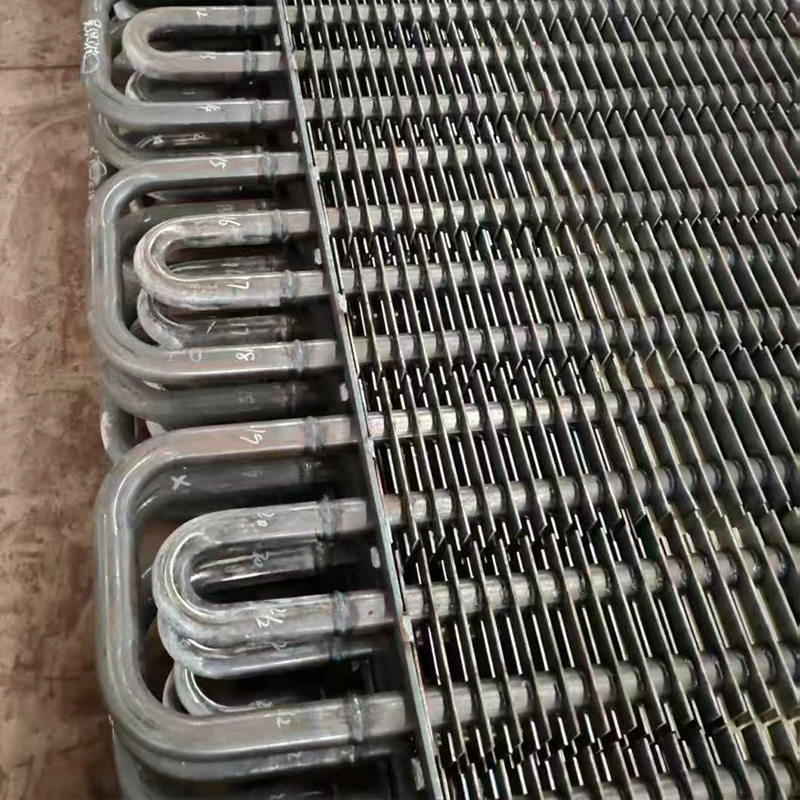
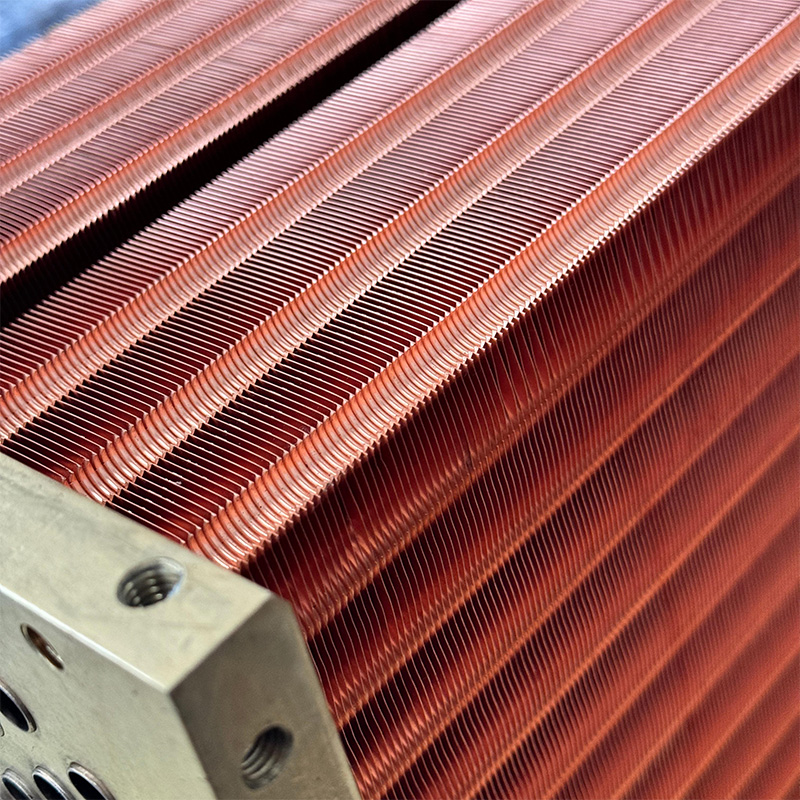
Выбор материалов для теплообменного оборудования играет критическую роль в долговечности производственной линии. For example, a companyWuxi Kaisheng Electric Power and Petrochemical Equipment Co., Ltd., специализирующаяся на разработке и производстве высокотехнологичных теплообменных систем, предлагает решения, актуальные и для пищевой промышленности. Их продукция, включая гофрированные трубные пучки из нержавеющей стали 316 и теплообменники из сплавов N06625, сертифицирована по стандартам ASME и PED. Хотя основное применение такие изделия находят в нефтепереработке и энергетике, их высокая коррозионная стойкость и эффективность теплопередачи делают их идеальными компонентами для современных линий пастеризации и охлаждения джема, где требуется работа с агрессивными средами или экстремальными температурами. Использование компонентов из титана или морской латуни C46400 от таких производителей гарантирует отсутствие миграции ионов металла в продукт и длительный срок службы оборудования без потери эффективности.
Заключение:Рентабельность производства органического джема напрямую зависит от технологии. Экономия на оборудовании или сырье неизбежно ведет к потере репутации бренда в премиум-сегменте, где восстановление доверия стоит дороже любой сэкономленной копейки.
Frequently Asked Questions
Какой срок годности у органического клубничного джема без консервантов?
При соблюдении технологии вакуумной варки, горячего розлива (выше 85°C) и герметичной укупорки, срок годности составляет 12–18 месяцев при хранении в темном месте при температуре от +5°C до +20°C. Отсутствие консервантов компенсируется низким pH (менее 3.5) и высоким содержанием сахара, создающим высокое осмотическое давление, неблагоприятное для бактерий. Однако после вскрытия банки продукт должен быть употреблен в течение 14 дней и храниться в холодильнике.
Можно ли использовать замороженную клубнику для производства джема?
Да, это допустимо и часто практикуется для продления сезона производства. Замороженная ягода должна быть шоковой заморозки (-18°C и ниже). Перед варкой её необходимо медленно разморозить при температуре +4°C для сохранения структуры. Быстрая разморозка в теплой воде приведет к потере сока и витаминов. Учтите, что замороженная ягода уже выделила часть сока, поэтому время выпаривания влаги может быть сокращено на 10–15%. Рецептура пектина остается прежней, но контроль Brix на входе обязателен.
Почему мой джем получился слишком жидким?
Наиболее вероятные причины: недостаточно низкий pH (кислотность), недостаток пектина, слишком высокое содержание воды или преждевременное добавление кислоты. Проверьте рефрактометром содержание сухих веществ — оно должно быть не менее 65%. Измерьте pH — если он выше 3.2, добавьте лимонную кислоту. Если параметры в норме, возможно, использован пектин с низкой желирующей способностью или нарушен температурный режим варки. Исправить готовый продукт сложно, потребуется переварка с добавлением нового пектина и кислоты.
Нужна ли пастеризация банок после укупорки?
Для джема с содержанием сахара выше 60% и pH ниже 3.5 дополнительная пастеризация после укупорки (в автоклаве или туннеле) обычно не требуется, если розлив осуществлялся при температуре выше 85°C. Тепла продукта достаточно для стерилизации тары и крышки. Однако, если вы используете крышки с низкой термостойкостью или сомневаетесь в температуре розлива, пастеризация при 75–80°C в течение 15–20 минут станет дополнительной гарантией безопасности и увеличит срок хранения.
Какое оборудование необходимо для старта мини-цеха?
Минимальный набор включает: моечную ванну с барботажем, стол для ручной сортировки, измельчитель-дезинтегратор, варочный котел с паровой рубашкой (желательно с мешалкой), насос для перекачки массы, полуавтоматический розлив и укупорочную машину. Обязательно наличие рефрактометра, pH-метра и весов. Для организации полноценного процесса также потребуется бойлер для генерации пара и система водоподготовки. Бюджет такого набора стартует от $30,000 без учета помещения и коммуникаций.
Производство качественного органического джема — это баланс между наукой и искусством. Соблюдение описанных в этом руководстве технологических дисциплин позволит вам создавать продукт, который не только безопасен, но и сохраняет истинный вкус лета. Если вы планируете модернизацию существующей производственной линии или запуск нового проекта, важно учитывать каждый нюанс, от сорта клубники до момента затяжки крышки.
Мы готовы предоставить детальную консультацию по подбору оборудования и разработке технологических карт под ваши задачи. Свяжитесь с нами сегодня для обсуждения вашего проекта и получения индивидуального коммерческого предложения. Посетите наш разделоборудование для пищевой промышленности, чтобы ознакомиться с полным каталогом решений для переработки ягод и фруктов.