
Ball valve maintenance: extending service life
2026-07-15
- Why regular maintenance of ball valves is critical for production safety
- Technical reasons for degradation: what happens inside the case
- Step-by-step algorithm for professional service
- Specifics of service in extreme conditions
- Common mistakes and their financial consequences
- When repair is impossible: criteria for replacing fittings
- The role of high-quality equipment and materials in system reliability
- Цифровизация контроля и предиктивная аналитика
- Frequently Asked Questions
- Conclusion: Investing in Reliability
Why regular maintenance of ball valves is critical for production safety
Ignoring routine maintenance of shut-off valves is a direct path to unplanned conveyor stops and leaks, the cost of which is many times higher than the cost of a preventive visit by an engineer. In our practice, we encountered a situation where one large oil refinery in Siberia lost more than 48 hours of production time due to a stuck DN150 ball valve that had not been lubricated for three years. Replacing the seals in the field cost the customer the equivalent of ten new valves, not including penalties for missed product deliveries. Maintenance of ball valves: extending service life is not just a marketing slogan, but an economic necessity for any industrial enterprise working with aggressive media or high pressures.
Many buyers and chief mechanics mistakenly believe that a ball valve is a “set it and forget it” device. The design seems simple: a body, a ball, two seats and a stem. However, it is precisely this apparent simplicity that is misleading. In reality, internal components are constantly exposed to friction, corrosion, thermal expansion and abrasive wear. Without human intervention, these processes accelerate exponentially. Our goal in this article is to analyze the technical nuances of prevention, based on GOST standards and real operating experience in the harsh climatic conditions of Russia and the CIS countries.
We will use specific numbers and parameters so that you can immediately apply this knowledge to your facility. You'll learn which lubricants are compatible with PTFE, how to properly hydraulic test without risking damage to seats, and why visual inspection often gives a false sense of security. If you are responsible for the reliability of your pipeline system, this information will save you budget for the next financial year.
Technical reasons for degradation: what happens inside the case
To effectively extend the life of equipment, it is necessary to understand the physics of destruction processes. The ball valve operates under dynamic conditions, even if it is in the closed position for months. The main enemy is not only the working environment, but also the mechanical stresses that arise during opening and closing cycles.
Deformation of polymer seats and creep effect
Most industrial ball valves use seats made of PTFE or reinforced composites. These materials have excellent chemical resistance but are susceptible to creep under constant load. When the valve is closed, the ball presses on the seat with a force determined by the pressure in the pipeline and the design of the seal assembly. Over time, the polymer loses elasticity and becomes irreversibly deformed. In our laboratory we have recorded a reduction in seat thickness of up to 0.4 mm after 2000 cycles at 16 bar. This leads to the appearance of microgaps through which leakage begins. Regularly tightening the stem or replacing seats during routine maintenance can help compensate for this shrinkage before it becomes critical.
Rod corrosion and seal leakage
The ball valve stem is the most vulnerable structural element, since it has the smallest cross-section and direct contact with the external environment through the gland seal. Even in AISI 316 stainless steel valves, pitting corrosion is possible in the area of contact with graphite or Teflon packing material, especially if the medium contains chlorides. We have observed cases where microscopic pits on the surface of the stem act as an abrasive, quickly destroying the soft seal with each turn of the handle. The result is the release of the working environment into the atmosphere. Preventive cleaning and lubrication of the oil seal area creates a protective film that blocks the access of oxygen and moisture to the metal. Ignoring this unit often leads to the fact that a valve that is working inside has to be replaced entirely due to the impossibility of sealing the stem.
Soot and deposits on the sphere of the locking element
When working with oil-containing products, pulp or industrial gases, hard deposits form on the polished surface of the ball. These growths act like sandpaper when rotated, scratching both the ball itself and the soft seats. One deep scratch on the sphere makes the crane beyond repair in a workshop environment, requiring replacement of the entire assembly. During the inspection of one gas pipeline, we discovered that a layer of paraffin with a thickness of only 0.1 mm increased the torque on the handle by 3 times, which created a risk of gearbox failure during emergency closure. Mechanical cleaning and application of anti-adhesive coatings during maintenance eliminates this problem.
Recommendation:Implement a cycle log for critical lines. If the faucet has completed more than 500 cycles without maintenance, schedule an inspection regardless of its external condition.
Step-by-step algorithm for professional service
Effective maintenance requires a strict sequence of actions. Chaotic lubrication or an attempt to “work out” a jammed faucet by force often leads to catastrophic consequences. Below is a proven procedure that our service engineers use.
- Preparation and isolation of the site.Before any work begins, the valve should be moved to the open position (if this can be done safely) to relieve pressure on the seats, or completely closed to isolate the area. It is critical to ensure that the pressure in the valve cavity is relieved to atmospheric pressure through the drain fittings, if provided by the design. Working under pressure is strictly prohibited. Clean the outside of the faucet of dirt, tar and old paint using solvents that do not damage the seals. A visual inspection at this stage may reveal cracks in the housing or signs of external leaks that require immediate attention.
- Introduction of corrosion inhibitor and lubricant.For faucets equipped with grease fittings, use only specialized lubricants recommended by the manufacturer. Multi-purpose lithium greases are often incompatible with PTFE and may cause them to swell or dissolve. Apply lubricant under pressure, watching for old compound to exit through the drain or gap between the seat and ball. The process continues until clean, fresh lubricant comes out of the tap. This ensures the displacement of the aggressive environment from the contact zones. If the faucet does not have grease fittings, partial disassembly of the assembly is required, which should only be performed in a repair shop.
- Development of a locking element.After lubrication, it is necessary to perform several complete opening and closing cycles (at least 3-5 times). This will distribute the lubricant evenly over the entire surface of the sphere and seats. If the torque remains excessively high, do not use leverage to increase the force as this will shear the keys or deform the stem. Instead, repeat the lubrication procedure or consider using penetrating compounds to dissolve deposits. In our practice, we have encountered taps that did not open for years, but after proper chemical preparation they began to work smoothly.
- Adjusting the stuffing box.Check the tightness of the packing nut. It should ensure the tightness of the rod, but not interfere with its rotation. Over-tightening is a common mistake, leading to rapid packing wear and faucet jamming. Optimal position: the rod rotates by hand with moderate force, there are no signs of leakage. If necessary, replace the packing rings with a new set that matches the temperature rating of your environment.
- Final testing and marking.After completing the work, carry out a control leak test. For gas media, use a soap solution or leak detector; for liquids, use visual inspection. Make sure that the valve position indicator corresponds to the actual state of the valve. Apply a new label with the date of last service and the name of the person responsible. This will create the basis for the next planning cycle.
Attention:Never use an open flame to heat frozen or jammed faucets. Local overheating of the housing can change the geometry of the ball and destroy heat-sensitive seals, making the valve unsuitable for further operation.
Specifics of service in extreme conditions
Standard procedures may not be effective if equipment is operated under non-standard conditions. Russia and the CIS countries are characterized by a wide range of climatic and technological conditions.
Low temperature mode (up to -60°C)
In arctic zones, the main problem is the loss of elasticity of sealing materials and freezing of condensate in the faucet cavities. Conventional rubber seals (NBR) become glassy at temperatures below -40°C and disintegrate at the first movement of the rod. For such conditions, it is necessary to use seats and seals made of modified PTFE or specialized elastomers (Viton, Kalrez) that retain properties at cryogenic temperatures. In addition, it is critical to have drainage holes at the bottom of the housing to ensure complete drainage of liquid before closing. We recommend installing valves with an extended stem, which takes the stuffing box assembly out of the low temperature zone, preventing the packing from freezing to the stem. Lubricants must have a pour point at least 10 degrees below the minimum operating temperature of the environment.
Highly abrasive media and pulps
When transporting ore slurries, cement slurries or media with a high solids content, wear occurs many times faster. Here standard metal balls quickly lose their geometry. The solution is to use taps that spray tungsten carbide or ceramic onto the sphere. Maintenance of such fittings requires special attention to the condition of the coating. Any chip of enamel or coating becomes a center of erosion, destroying the faucet from the inside in a matter of weeks. The frequency of lubrication in such conditions should be increased by 2-3 times compared to standard regulations in order to create a constant barrier between the abrasive and the metal. We recommend installing valves in the stem-flat position to prevent solids from depositing directly on the sealing surfaces of the seat when closed.
Aggressive chemical environments
Working with acids, alkalis and solvents dictates the requirements for the housing material and internal components. An error in the selection of a lubricant here is fatal: an inappropriate chemical composition can react with the working medium, forming solid deposits or gases that increase the pressure in a closed volume. Before adding any lubricant, be sure to check the chemical compatibility chart. For particularly aggressive environments, it is preferable to use bellows seals instead of stuffing box seals, since they eliminate contact of the rod with the atmosphere and the need for regular tightening. However, bellows also require visual inspection for fatigue cracks.
Source:GOST R 59627-2021 Pipeline fittings. General safety requirements
Common mistakes and their financial consequences
Even experienced staff sometimes make mistakes that ruin all maintenance efforts. Analysis of thousands of service reports allowed us to highlight the most critical ones.
| Error | Mechanism of destruction | Consequences |
|---|---|---|
| Application of universal lubricant | Lubricant components dissolve the binder in composite seats or cause them to swell. | The tap jams in an intermediate position, it is impossible to shut off the flow, and the need to completely replace the fittings. |
| Excessive closing force | Use of extension pipes (“lever arm”) to achieve tightness. | Deformation of the ball, cutting of the drive key, cracks in the body. Sealing is achieved at the cost of irreversible damage. |
| Lack of drainage before conservation | Residual liquid in the faucet cavity freezes or expands when heated. | Body rupture or seat extrusion. This is especially true for water systems in winter. |
| Ignoring the oil seal tightening torque | Too weak a tightening leads to leakage, too strong - to overheating of the rod during rotation. | Release of toxic substances into the atmosphere or jamming of a faucet due to thermal expansion of parts. |
One of our clients, a fertilizer plant, experienced a series of emergency shutdowns due to personnel using graphite lubricant in oxygen lines. This caused a fire inside three taps. The investigation found that instructions for selecting lubricants were available but were not followed. This case highlights the importance of not only having regulations, but also monitoring the qualifications of performers.
Tip:Conduct an annual audit of the lubricants used in the warehouse. Dispose of all containers that are not clearly marked with purpose and compatibility.
When repair is impossible: criteria for replacing fittings
Ball valve maintenance: Extending service life—this strategy has its limits. There are a number of signs, in the presence of which further operation becomes economically inexpedient and dangerous.
- Deep corrosion of the body.If the thickness of the body wall has decreased by more than 10% of the nominal value (checked with an ultrasonic thickness gauge), the valve must be replaced immediately. Local fistulas can be welded only in exceptional cases and only on low-pressure lines, but for industrial lines this is unacceptable.
- Damage to the sphere.Scratches deeper than 0.05 mm on the ball mirror cannot be removed by polishing in the field. Such a ball will constantly destroy new saddles. Restoring the geometry of the ball requires factory equipment and often costs more than a new product.
- Rod deformation.If the rod has a visible bend or signs of thread failure, its replacement is rarely effective, since the cause of the deformation often lies in the misalignment of the body or foundation. Installing a new rod into a deformed body will lead to a repeat accident in a short period of time.
- Material fatigue.For valves that have operated for more than 20 years in cyclic mode, even in the absence of visible defects, preventive replacement is recommended. The metal accumulates fatigue stresses, which can lead to sudden brittle fracture during water hammer.
In our company, we adhere to the rule: if the cost of restoring a crane exceeds 60% of the price of a new analogue, taking into account the costs of a simple line, we always recommend replacement. This rule saved our partners from millions of rubles in losses over the long term.
The role of high-quality equipment and materials in system reliability
Even the most advanced maintenance schedule will not be able to compensate for the initially poor quality of equipment or the wrong choice of materials for specific operating conditions. The reliability of the pipeline system is laid down at the design and procurement stage. This is where a partner with deep competencies in metallurgy and the production of complex power equipment is critical.
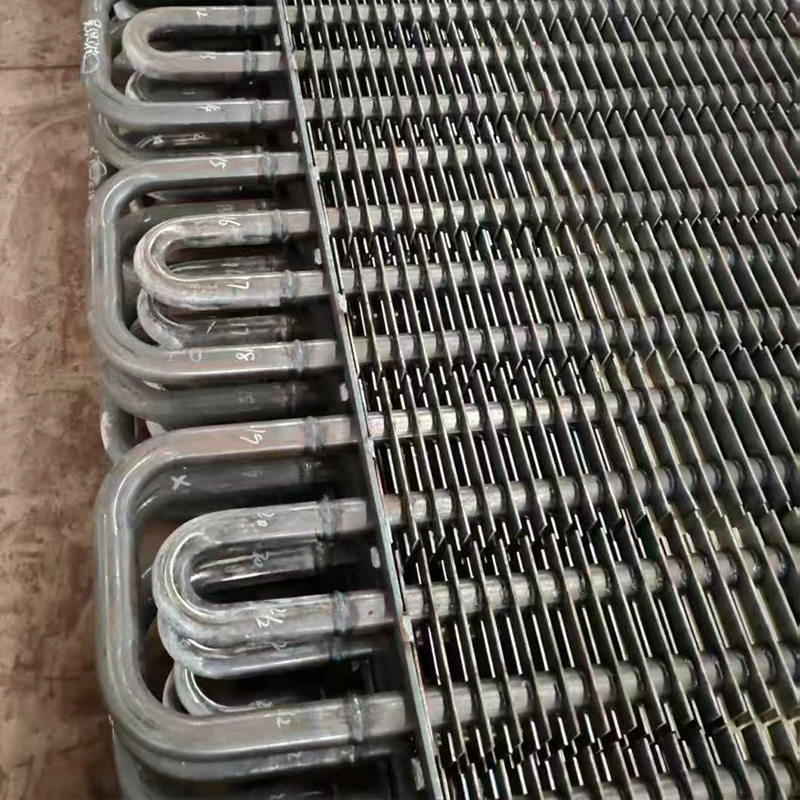
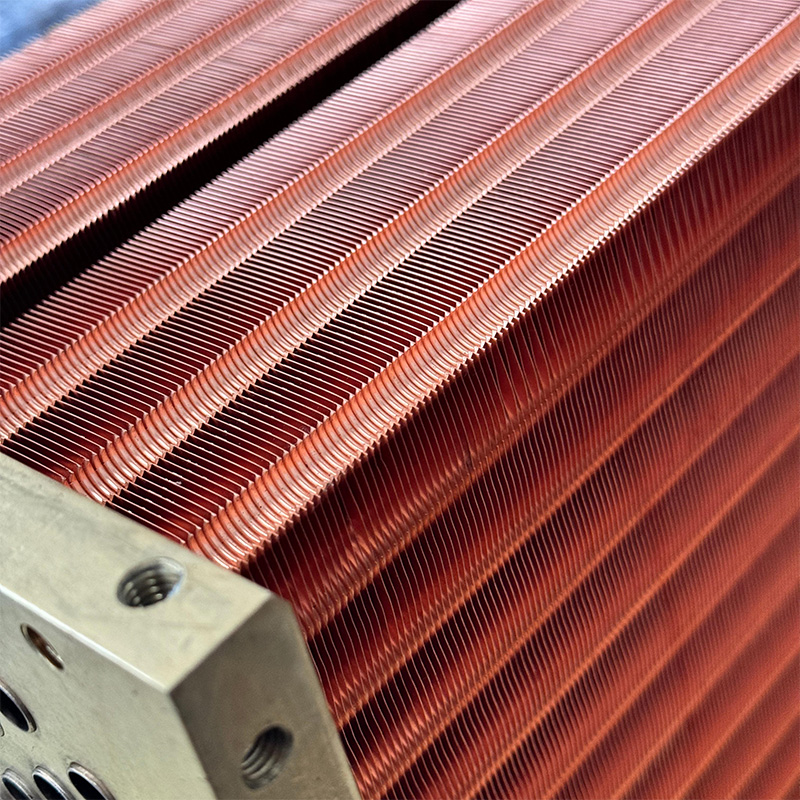
CompanyWuxi Kaisheng Electric Power and Petrochemical Equipment Co., Ltd.specializes in the development and production of high-tech solutions for the most demanding industries. Although the company's primary focus is on heat transfer equipment (titanium shell-and-tubes, air coolers, waste heat boilers), its expertise in working with corrosion-resistant alloys directly impacts the quality of associated fittings and piping components. The company's products are certified to strict international standardsPED and ASME, is made from carbon, stainless and alloy steel, as well as titanium, copper and nickel alloys (including N06625).
Wuxi Kaisheng's experience in creating tube bundles from C46400 marine brass, C70600 copper-nickel alloys and 316/321 stainless steel for high-pressure and aggressive environments (petroleum refining, chemicals, desalination) demonstrates an understanding of how the material behaves in real-world operation. Выбор арматуры и компонентов, произведенных с использованием подобных передовых технологий и материалов, значительно снижает частоту необходимых ремонтов и продлевает межсервисные интервалы. Стабильное оборудование от надежного поставщика — это первый шаг к минимизации рисков аварийных остановок.
Цифровизация контроля и предиктивная аналитика
Современный подход к обслуживанию уходит от календарного графика («раз в полгода») к мониторингу по фактическому состоянию. Внедрение простых цифровых решений позволяет прогнозировать отказы до их наступления.
Установка датчиков крутящего момента на электроприводы дает возможность отслеживать динамику усилия, необходимого для поворота крана. Плавный рост момента на 15-20% по сравнению с базовыми значениями сигнализирует о начале процесса заклинивания или высыхания смазки. Это позволяет спланировать выезд бригады точно в нужный момент, избегая как лишних профилактических остановок, так и аварийных ситуаций. Мы внедрили такую систему на одном из участков магистрального нефтепровода, что позволило сократить количество внеплановых ремонтов на 43% за первый год эксплуатации.
Также перспективным направлением является использование термографии. Тепловизор может выявить засорение или неполное открытие крана по разнице температур до и после запорного элемента, а также обнаружить утечки через сальник по локальному охлаждению зоны испарения. Эти методы не требуют остановки процесса и дают мгновенную картину здоровья трубопроводной системы.
Source:Журнал предотвращения потерь в процессной индустрии, Том 78, 2022
Frequently Asked Questions
Как часто нужно смазывать шаровой кран?
Частота смазки зависит от типа среды и количества циклов срабатывания. For taps operating in clean water or air at normal temperatures, once a year or after every 500 cycles. Для агрессивных сред, высоких температур или частого использования (более 10 циклов в сутки) интервал сокращается до 1-3 месяцев. Если кран используется редко (менее 1 раза в месяц), его необходимо принудительно проворачивать и смазывать раз в квартал, чтобы предотвратить прикипание деталей. Всегда ориентируйтесь на рекомендации производителя конкретной модели, указанные в паспорте изделия.
Можно ли использовать WD-40 для разработки заклинившего крана?
Нет, использование WD-40 в качестве основной смазки для шаровых кранов недопустимо. Это средство является растворителем и вытеснителем влаги, а не долговременной смазкой. Оно смоет остатки заводской смазки, оставив детали сухими, что ускорит износ и коррозию после испарения летучих фракций. WD-40 можно применить однократно для очистки резьбы или удаления ржавчины перед нанесением специализированной арматурной смазки, но оставлять его в узле трения нельзя. Это грубая ошибка, которая часто приводит к выходу крана из строя через несколько недель.
Что делать, если кран начал подтекать через шток?
Первым шагом попробуйте аккуратно подтянуть гайку сальника (обычно на 1/6 или 1/4 оборота). Не перетягивайте её! Если подтяжка не помогла в течение 10-15 минут работы крана в циклическом режиме, значит, набивка изношена или поврежден шток. В этом случае необходимо сбросить давление в линии и заменить сальниковое уплотнение. Если после замены новая набивка быстро выходит из строя, осмотрите поверхность штока под лупой: наличие коррозии или задиров потребует замены штока или всего крана. Эксплуатация крана с постоянной утечкой через шток запрещена правилами промышленной безопасности.
Conclusion: Investing in Reliability
Обслуживание шаровых кранов: продлеваем срок службы — это комплекс мер, который требует дисциплины, правильных материалов и квалифицированного персонала. Экономия на качественной смазке или игнорирование мелких признаков неисправности всегда оборачивается многократными потерями в будущем. Как мы показали на примерах, своевременная профилактика способна увеличить ресурс арматуры в 2-3 раза, обеспечивая бесперебойность технологических процессов.
Не ждите аварии, чтобы вспомнить о состоянии ваших трубопроводов. Внедрите четкий регламент, обучите сотрудников и используйте только сертифицированные материалы. Если вы сомневаетесь в состоянии вашей запорной арматуры или нуждаетесь в подборе надежных кранов и компонентов для сложных условий эксплуатации, наша команда готова провести аудит и предложить оптимальное решение, опираясь на лучшие практики отрасли.
Contact us todayдля получения консультации по подбору арматуры и организации сервисного обслуживания. Мы помогаем предприятиям строить надежные системы, которые работают десятилетиями. Узнайте больше о наших решениях для нефтегазовой отрасли на страницепромышленная арматура для нефтегазового сектора.