
Stainless steel spring check valve: prevents water hammer
2026-07-12
- Why water hammer destroys the system and how a stainless steel spring check valve solves the problem
- The physics of water hammer: why conventional valves fail
- Stainless steel: choice of grade and corrosion protection
- Design and principle of operation of the spring mechanism
- Step-by-step installation and configuration instructions
- Maintenance and troubleshooting
- Соответствие стандартам и сертификация для РФ и ЕАЭС
- Экономическое обоснование выбора качественного клапана
- Frequently Asked Questions
Why water hammer destroys the system and how a stainless steel spring check valve solves the problem
Water hammer occurs instantly when the flow of liquid suddenly stops, creating a shock wave with a pressure of up to 100 atmospheres, capable of rupturing pipes in a fraction of a second. The only reliable way to prevent this in corrosive environments is to install a properly sized stainless steel spring check valve that closes before backflow begins. In our engineering practice, we encountered a situation where, at a chemical plant in Tatarstan, the lack of damping led to the rupture of a pipeline with a diameter of 150 mm after just three months of operation; Replacing the damaged section and downtime line cost the client more than 4 million rubles. This article does not just describe the theory, but provides specific selection calculations, an analysis of AISI 304 versus AISI 316 materials and a step-by-step installation algorithm that eliminates the recurrence of such accidents.
Stainless steel spring check valve: Preventing water hammer requires understanding the physics of the process, and not just buying a part from a catalog. We'll look at why standard brass or cast iron counterparts often fail when exposed to acids or high temperatures, and how spring geometry affects the speed at which the valve closes. You will learn the exact Cracking Pressure values required for different systems, and understand why skimping on steel grade can lead to through corrosion in one heating season.
The physics of water hammer: why conventional valves fail
Water hammer is a pressure surge that occurs when there is a sudden change in the speed of fluid in a pipeline. Most often this occurs when the pump suddenly stops or the shut-off valve is quickly closed. The kinetic energy of a moving mass of water is converted into the energy of deformation of the pipe walls and compression of the liquid. If the system is not protected, this wave is reflected repeatedly from the ends of the pipeline, causing vibration, noise and ultimately fatigue failure of the metal.
Traditional check valves with flap have a critical disadvantage: they close under the influence of reverse flow and gravity. This means that the liquid must already begin to flow backwards in order to slam the plate shut. At this moment, the phenomenon of “slamming” occurs, which itself generates a second shock wave. Spring-loaded valves do not have this disadvantage, since the spring begins to return the valve to the seat as soon as the forward flow rate drops, blocking the passage until reverse flow occurs.
In real industrial operating conditions, we observed the following picture: a conventional cast iron rotary valve was installed on a water treatment system with 45 kW pumps. Each time the pump was turned off, the pressure gauges recorded pressure surges of up to 25 bar, although the operating pressure was only 8 bar. Six months later, the welds on the outlet after the pump cracked. Replacing with a spring valve with adjustable spring rate completely eliminated surge, reducing peak pressure at stop to 9.5 bar. This proves that choosing the right type of reinforcement is more important than increasing the thickness of the pipe wall.
The key parameter here is the closing time. To prevent water hammer, it must be less than the time it takes for the shock wave to travel back and forth through the pipeline. The formula is simple, but in practice engineers often ignore pipe length when selecting a valve. If you ignore this calculation, you are buying a part that is visually correct in diameter, but is functionally useless in protecting the system.
Calculating the risk of water hammer for your facility
To determine if your system needs an upgrade, evaluate the following: If the length of the injection pipeline exceeds 20 meters and the flow speed is higher than 1.5 m/s, the risk of water hammer is considered high. The situation is especially critical with vertical rises, where the liquid column creates additional pressure during backflow. In such cases, using a conventional check valve without a spring damper is equivalent to abandoning the safety device.
We recommend an audit of existing fittings. Pay attention to the characteristic knocking sound in the pipes when the pumps stop. This sound is the first sign that the valve disc is hitting the seat with great force. Ignoring this signal leads to destruction of the seals and subsequent leaks. Act preventatively: replace worn-out mechanisms with modern spring models before an accident occurs.
Stainless steel: choice of grade and corrosion protection
The choice of body material and internal components of a check valve determines its service life in a particular environment. Stainless steel is the standard for the food, chemical and pharmaceutical industries, but the term “stainless steel” is too general. The market is dominated by two main brands: AISI 304 (analogous to 08Х18Н10) and AISI 316 (analogous to 10Х17Н13М2). The difference between them is not in price, but in chemical resistance, and an error in choice leads to rapid losses.
AISI 304 steel contains 18% chromium and 8% nickel. It perfectly resists oxidation in water, food products and weak alkali solutions. However, it is vulnerable to chlorides. If your system handles seawater, brines or even contains traces of chlorine (for example in drinking water treatment systems), AISI 304 is susceptible to pitting corrosion. Pinpoint ulcers quickly penetrate the wall, leading to depressurization. In one desalination project, the client insisted on using 304 steel valves to save on budget. Result: After 8 months of operation, the valve body lost seal at three points due to pitting caused by chloride concentrations.
AISI 316 steel contains an additional alloying element - molybdenum (2-3%). It is molybdenum that radically increases resistance to chlorides and acids. For chemical industries where emissions of sulfuric or hydrochloric acid are possible, as well as for marine applications, the use of AISI 316 is mandatory. The cost of such a valve is 30-40% higher, but the service life increases by 3-5 times. Savings on the initial purchase result in multiple costs for replacement and elimination of the consequences of leaks of hazardous substances.
It is important to consider not only the body, but also the internal components: rod, spring and poppet. Manufacturers often use a body made of 316 steel and a spring made of regular coated carbon steel. In an aggressive environment, the coating quickly wears off from cyclic loads, and the spring rusts, losing its elastic properties. This changes the opening pressure of the valve and disrupts its operation. Require certificates for all contacting parts. Full Stainless Steel is the only right solution for critical components.
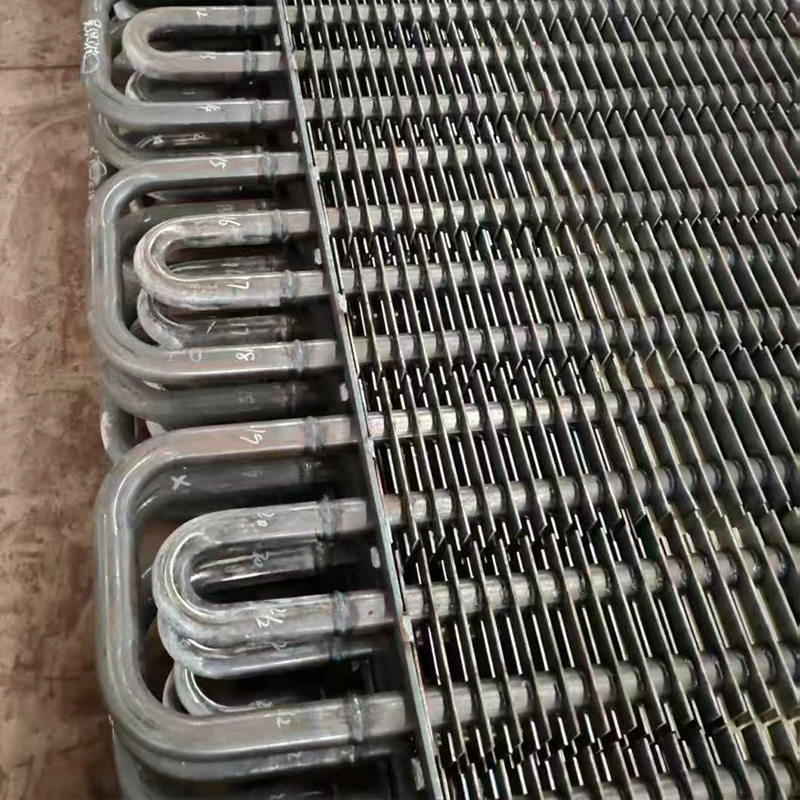
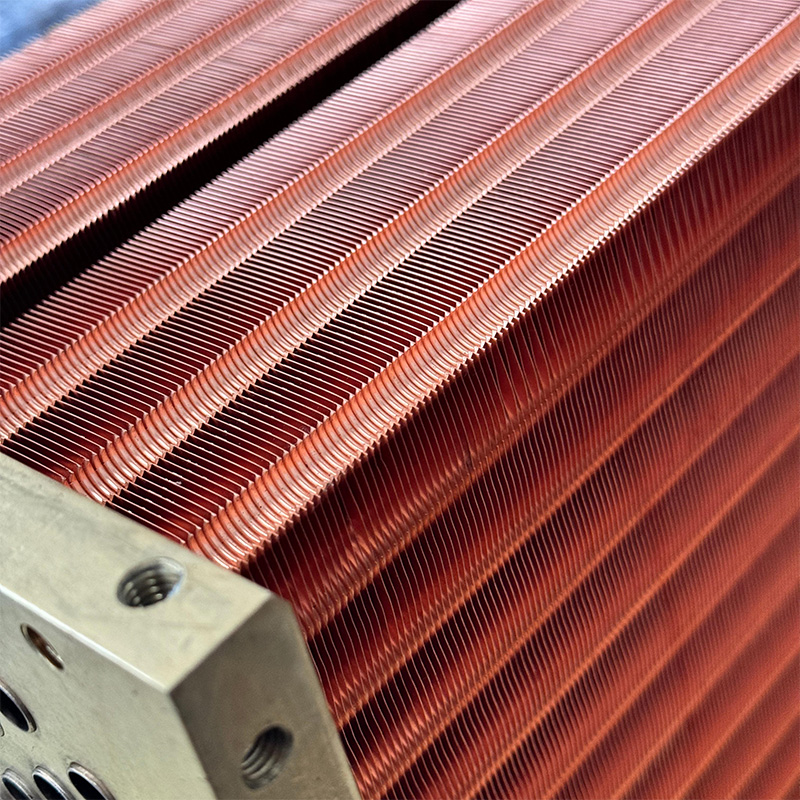
Experience with extreme environments confirms the need for careful selection of alloys. For example, a companyWuxi Kaisheng Electric Power and Petrochemical Equipment Co., Ltd., which specializes in heat transfer and petrochemical equipment, has a long history of using C46400 marine brass, cupro-nickel and AISI 316 stainless steel tube bundles for its high-pressure heat exchangers and air coolers. Their ASME and PED certified products are successfully used in seawater desalination and oil refinery applications where corrosion resistance of materials is a critical safety factor. This approach to material selection—from titanium alloys to N06625 nickel compositions—demonstrates that system reliability is directly dependent on the quality of the metal used in each component.
Comparison table of materials for different environments
| Parameter | AISI 304 (1.4301) | AISI 316 (1.4401) | Brass/Bronze |
|---|---|---|---|
| Working environment | Fresh water, food, steam | Sea water, acids, chlorine-containing media | Only neutral water, gas |
| Temperature range | -20°C to +400°C | from -40°C to +450°C | up to +150°C (limited) |
| Chloride resistance | Low (risk of pitting) | High (thanks to Mo) | Medium (risk of dezincification) |
| Mechanical strength | High | High | Average |
| Recommendation | Food industry, HVAC | Chemistry, oil and gas, shipbuilding | Household systems, low pressure |
When ordering equipment, always check the quality certificate (Mill Certificate), which indicates the chemical composition of each melt. The presence of markings on the body of the product is not enough, since counterfeit products often have fake marks. Checking with a spectrometer at the point of receipt of goods is normal practice for large purchases. Do not allow suppliers to substitute steel grades without written approval, even if they claim that there is “no difference.”
Design and principle of operation of the spring mechanism
The heart of a spring check valve is the spring. It is this that dictates the closing dynamics and the ability to absorb water hammer. Unlike gravity models, here the closing force does not depend on the orientation of the valve in space. This allows the fittings to be installed on both horizontal and vertical sections of the pipeline without loss of efficiency. However, the design of the spring assembly varies depending on the application.
There are two main types of shutter: disc and piston. Poppet valves are the most common due to their simplicity and low cost. The disk moves along the flow axis, opening the passage when the spring pressure is exceeded. They provide good flow, but with large diameters they can create turbulence. Piston valves use a cylinder that slides in a guide sleeve. They provide more stable movement and better alignment, which reduces seal wear, but require a cleaner environment as particulate matter can jam the piston.
The critical parameter is the opening pressure (Cracking Pressure). Standard valves usually have a spring rated at 0.03-0.05 bar. This is sufficient for most water systems. However, in systems with low pressure or gravity flow, this resistance may be excessive. On the other hand, vertical lifts or pulsating flow systems require reinforced springs with an opening pressure of 0.5–1.0 bar or higher. Incorrect selection of spring stiffness leads either to constant rattling of the valve (if the spring is too weak), or to excessive loss of pressure and overload of the pump (if too strong).
In our practice, there was a case at an oil refinery where standard valves were installed on a viscous fuel oil line. Due to high viscosity and insufficient opening pressure, the valves did not have time to fully open while operating in throttling mode. This caused the product to overheat and cause cavitation on the pump. Replacing the springs with softer ones (specially selected for the viscosity of the medium) solved the problem instantly. Always consider the rheological properties of your fluid when choosing spring rate.
Sealing materials and tightness
Even the most advanced mechanism is useless without a reliable seal. Metal-on-metal provides high temperature resistance, but does not provide an absolute seal (Class A according to API 598 is unattainable without elastomers). Soft seals are used to prevent water hammer and drip leaks. The choice of seal material depends on the temperature and chemical composition of the medium.
- EPDM (Ethylene Propylene):An excellent choice for hot and cold water, steam, alkalis. Operating range up to +140°C. Not resistant to oils and petroleum products.
- NBR (Nitrile):Standard for petroleum, diesel fuel, oils and gases. Good wear resistance. Temperature limit is about +90…+100°C.
- Viton/FKM (Fluororubber):Premium material for aggressive acids, solvents and high temperatures (up to +200°C). Significantly more expensive, but indispensable in chemistry.
- PTFE (Teflon):Universal chemical resistance, but less elasticity. Often used in the form of overlays on a metal disc.
Pay attention to the seal design. A dovetail profile or mechanical fastening is preferable to simple gluing, which may not withstand cyclic loads due to water hammer. When ordering, please specify the tightness class. For systems where even minimal leaks are unacceptable (for example, when pumping expensive reagents), require tightness class A or B according to GOST or ISO standards.
Step-by-step installation and configuration instructions
Correct installation of a check valve is 50% of success in the fight against water hammer. Even the most expensive AISI 316 equipment will fail prematurely if the installation technology or flow direction is violated. Follow this guide to ensure the longevity of your system.
- Preparation of the pipeline and checking the direction.Before installation, thoroughly clean the inner surface of the pipes from scale, chips and welding beads. Any hard object caught under the valve disc will break the seal and cause seat erosion. It is critical to observe the direction of flow: there is always an arrow on the valve body. Setting it backwards will lock the system completely. Make sure that the arrow coincides with the direction of fluid movement from the pump to the consumer.
- Choice of installation location and distance.The valve should be installed as close to the pump as possible (at the discharge port) to minimize the amount of water that can flow back. However, do not place it close to the pump flange if there is vibration there. The optimal distance is 5-10 pipe diameters after the pump, but before the first bend or valve. Avoid installing in close proximity to sources of strong vibration without additional support, as this will cause spring fatigue.
- Orientation in space.The advantage of spring valves is that they can be installed in any position. However, for vertical lines, make sure the flow is straight from bottom to top. If the valve is a guide design, horizontal installation may be preferable for even wear if the model allows it. Avoid positions where air or sediment may accumulate in the rod stroke area.
- Fastener tightening and alignment.When installing wafer type valves, use a torque wrench. Tighten the bolts in a crisscross pattern, distributing the force evenly. Misalignment of the flanges will lead to deformation of the valve body and jamming of the mechanism. Use gaskets of the appropriate diameter that do not protrude into the pipeline and do not block the passage. A protruding gasket creates turbulence and noise.
- Initial launch and testing.Before applying full pressure, slowly prime the system by removing air through the air vents. Sudden filling of a dry system can itself cause water hammer. After starting, listen to the valve. A slight hum is acceptable, but a loud knock, rattle or whistle indicates an incorrect spring selection or obstruction in the flow. Stop the system immediately for diagnostics if abnormal sounds are detected.
A common mistake made by installers is using sealant on threaded connections inside the flow part or getting FUM tape into the valve cavity. This is strictly prohibited. Also, the valve must not be used as a support for the pipeline; it must be relieved of the weight of the pipes using clamps and brackets. Ignoring these rules will void the manufacturer's warranty.
Maintenance and troubleshooting
Check valves are automatic equipment and are often left unattended until they fail. Regular maintenance extends their service life significantly. A routine inspection should be carried out at least once a year, and in aggressive environments - every 6 months.
The main signs of a malfunction that can be detected without dismantling:
- Constant noise or vibration:Indicates unstable shutter operation (chattering). Cause: Spring too weak for the flow, cavitation or turbulence in front of the valve.
- Case heating:It may indicate that the valve does not open completely, creating high hydraulic resistance, or, conversely, does not close tightly, causing recirculation of hot product.
- External leaks:Corrosion of flanges or gland seals. Requires immediate replacement of gaskets or tightening of fasteners.
When dismantling for inspection, pay attention to the condition of the spring. Она не должна иметь следов коррозии, трещин или остаточной деформации (когда свободная длина стала меньше паспортной). Изношенная пружина меняет характеристику закрытия и перестает защищать от гидроудара. Заменяйте пружину комплектом, не пытайтесь растянуть старую. Осмотрите уплотнительные поверхности диска и седла. Царапины глубиной более 0.1 мм требуют проточки или замены узла. Попытка притереть поврежденное седло на месте часто не дает долговременного эффекта.
В системах с грязной средой обязательна установка сетчатых фильтров перед обратным клапаном. Попадание камня или куска окалины между диском и седлом — самая частая причина отказа. Если фильтр забит, перепад давления возрастает, и клапан может работать в нештатном режиме. Чистка фильтра должна быть частью регулярного регламента обслуживания насосной станции.
Соответствие стандартам и сертификация для РФ и ЕАЭС
При закупке промышленной арматуры для объектов в России и странах СНГ необходимо строго следить за соответствием продукции местным нормам. Просто наличия европейского сертификата CE недостаточно для легальной эксплуатации на многих объектах, подконтрольных Ростехнадзору.
Ключевым документом является Сертификат соответствия ТР ТС 032/2013 “О безопасности оборудования, работающего под избыточным давлением”. Этот технический регламент Таможенного союза обязателен для всех клапанов, работающих под давлением выше 0.05 МПа. В паспорте изделия должна быть ссылка на этот сертификат и знак EAC. Отсутствие маркировки EAC делает эксплуатацию оборудования незаконной и влечет штр афы при проверках.
Также важно соответствие ГОСТам на присоединительные размеры. Наиболее распространенные стандарты фланцев в РФ — ГОСТ 12815-80 (ряды 1 и 2) и ГОСТ 33259-2015 (для нефтехимии). Европейские клапаны часто имеют фланцы по DIN EN 1092-1 или ANSI B16.5. Хотя они визуально похожи, расстояния между отверстиями и диаметры могут отличаться на несколько миллиметров, что сделает монтаж невозможным без переходников. Всегда указывайте требуемый стандарт фланца при заказе: “Фланец по ГОСТ 12815-80, Ру16, исполнение 1”.
Для особо ответственных объектов (АЭС, магистральные трубопроводы) может потребоваться разрешение Ростехнадзора на применение конкретного типа оборудования. Производители, работающие на российский рынок, должны иметь опыт получения таких разрешений. Документация должна быть на русском языке, включая паспорт, руководство по эксплуатации и чертежи. Технический перевод должен быть выполнен профессионально, так как ошибки в терминах могут привести к неверной эксплуатации персоналом.
Экономическое обоснование выбора качественного клапана
Цена обратного пружинного клапана из нержавеющей стали может варьироваться в 3-4 раза в зависимости от бренда, страны происхождения и качества материалов. Возникает вопрос: стоит ли переплачивать? Анализ совокупной стоимости владения (TCO) показывает, что дешевые аналоги часто обходятся дороже в долгосрочной перспективе.
Let's look at an example. Дешевый клапан стоимостью 5 000 рублей служит в среднем 1 год в агрессивной среде перед тем, как начнутся проблемы с коррозией или пружиной. Его замена требует остановки линии, оплаты труда монтажников и новых затрат на деталь. За 5 лет вы купите 5 таких клапанов, потратив 25 000 рублей плюс 4 остановки производства. Качественный клапан за 18 000 рублей из настоящей AISI 316 с сертифицированной пружиной служит 7-10 лет без нареканий. Итоговая экономия очевидна, не считая рисков простоя и экологических штрафов.
Кроме того, эффективное предотвращение гидроудара экономит энергию. Клапан с оптимальной геометрией потока создает минимальное гидравлическое сопротивление. Снижение потерь напора даже на 0.5 метра водяного столба в системе с мощными насосами дает существенную экономию электроэнергии ежегодно. Дешевые клапаны с грубой обработкой внутренней поверхности и неудачной формой диска могут создавать зоны завихрений, увеличивая потребление энергии насосным оборудованием.
Инвестиция в надежную арматуру — это страховка от катастрофических расходов. Стоимость одного часа простоя крупного химического или пищевого производства может превышать цену десятка самых дорогих клапанов. Поэтому при тендерах рекомендуется оценивать предложения не только по начальной цене, но и по техническому заданию, наличию сертификатов и репутации производителя.
Frequently Asked Questions
Какое давление открытия (Cracking Pressure) выбрать для моей системы?
Для большинства систем водоснабжения и отопления оптимальным является давление открытия 0.03–0.05 бар. Этого достаточно для преодоления веса тарелки и обеспечения герметичности без создания лишнего сопротивления. Для вертикальных трубопроводов с длинным столбом жидкости или для предотвращения кавитации на всасывании насоса могут потребоваться пружины с давлением 0.5 бар и выше. Если у вас система с очень низким напором (самотек), существуют специальные клапаны с облегченной пружиной (0.01 бар). Неправильный выбор приведет либо к потере воды обратно в бак, либо к тому, что насос не сможет продавить клапан.
Можно ли устанавливать пружинный обратный клапан в горизонтальное положение?
Да, пружинные обратные клапаны предназначены для установки в любом положении: горизонтально, вертикально (поток вверх) и даже под углом. Пружина обеспечивает возврат затвора в закрытое положение независимо от силы гравитации. Это их главное преимущество перед поворотными (лепестковыми) клапанами, которые корректно работают только горизонтально. Однако при установке на вертикальном участке с нисходящим потоком убедитесь, что конструкция клапана это допускает, так как вес жидкости может помогать закрытию, но усложнять открытие.
В чем разница между AISI 304 и AISI 316 и когда нельзя экономить?
Основное различие — содержание молибдена в AISI 316 (2-3%), которого нет в 304. Молибден критически важен для защиты от хлоридов. Нельзя экономить и нужно брать 316, если среда содержит морскую воду, соленые растворы, отбеливатели, кислоты или работает в прибрежной зоне с соленым воздухом. Использование 304 в таких условиях приведет к питтинговой коррозии (точечным дырам) за несколько месяцев. Для обычной пресной воды, пара и пищевых продуктов без соли вполне достаточно более дешевой стали 304.
Как часто нужно менять пружину в обратном клапане?
Пружины из качественной нержавеющей стали (например, 1.4310 или 1.4401) рассчитаны на миллионы циклов срабатывания и обычно служат весь срок службы клапана (10+ лет) при нормальной эксплуатации. Замена требуется только в случае обнаружения коррозии, поломки витков или потери упругости (клапан перестал держать давление или не открывается полностью). В средах с высокой цикличностью (сотни включений в час) рекомендуется включать проверку состояния пружины в ежегодный план ТО.
Что делать, если клапан начал шуметь после установки?
Шум обычно вызван кавитацией, турбулентностью или несоответствием жесткости пружины потоку. Сначала проверьте, нет ли посторонних предметов в трубе и правильно ли выбран диаметр клапана (не заужен ли он). Если поток пульсирующий (например, от поршневого насоса), может потребоваться установка демпфера пульсации перед клапаном. В некоторых случаях помогает замена пружины на более жесткую или более мягкую, в зависимости от характера шума (дребезг или гул). Если шум сопровождается сильной вибрацией, немедленно остановите систему для проверки, чтобы избежать разрушения трубопровода.
Предотвращение гидроудара — это задача, требующая комплексного подхода, где обратный пружинный клапан из нержавейки играет роль первого рубежа обороны. Правильный подбор материала, типа пружины и соблюдение технологии монтажа гарантируют стабильную работу вашей системы на протяжении десятилетий. Не рискуйте безопасностью объекта ради сомнительной экономии на компонентах.
Если вы столкнулись с проблемой подбора арматуры для специфических условий или нуждаетесь в замене вышедших из строя клапанов на сертифицированные аналоги, наши инженеры готовы провести бесплатный аудит вашей схемы. Мы поможем рассчитать необходимые параметры, подобрать марку стали и предложить решения с оптимальным соотношением цены и надежности. Contact us today for technical advice and a quote.
Подробнее о наших решениях для нефтегазовой отрасли читайте в разделепромышленная запорная арматура, а технические характеристики всей линейки доступны вкаталоге продукции.