
Normally open stainless steel valve: operating principle
2026-07-10
- What is a normally open stainless steel valve and how does it work?
- Types of control and their influence on the principle of operation
- Critical selection parameters for industrial applications
- Common installation and operation errors
- Application in various industries
- Certification and Compliance
- Как продлить срок службы клапана: рекомендации экспертов
- Conclusion and selection of a reliable supplier
What is a normally open stainless steel valve and how does it work?
A normally open stainless steel valve is a device that allows a medium (water, steam, gas) to pass through in its natural state and only closes the flow when an electrical signal is applied to the solenoid coil. Unlike normally closed models, here a spring holds the plunger in the upper position, ensuring free passage of liquid until the electromagnet is activated. This operating principle is critical for systems where safety requires interruption of the media supply during a power outage or emergency. Understanding the mechanics of this process allows engineers to avoid mistakes when designing pipelines in the food, chemical and pharmaceutical industries.
In our practice, we have repeatedly encountered a situation where customers chose normally open valves for constant pressure systems, without taking into account the water hammer during sudden closure. One of our clients in the dairy industry lost a batch of product worth over 15,000 euros precisely because of the wrong type of valve control. They used direct control on a 50mm diameter pipe which caused the seals to fail within three months of use. This article will help you avoid such financial losses by examining in detail the physics of the process, design features of materials and real-life application scenarios.
Physics of the process: from rest to activation
The operating principle is based on the balance of forces between medium pressure, spring force and electromagnetic field. At rest, when the coil is de-energized, the return spring presses on the plunger, holding it in the raised position. At this moment, the valve seat is open and the medium flows freely through the body. As soon as voltage is applied to the coil, a magnetic field is created that overcomes the spring force and medium pressure (in pilot models), pulling the plunger down. The plunger closes the seat hole, stopping the flow. When the voltage is removed, the magnetic field disappears instantly, and the spring returns the system to its original “open” state.
The key parameter here is response time. For normally open valves it is typically between 30 and 150 milliseconds depending on size and control type. Rapid closure is necessary for emergency systems, but can be detrimental for long pipelines with high flow rates due to the water hammer effect. We recommend that you always calculate the closing time based on the length of the line: if the pipe is longer than 20 meters, it is worth considering valves with dampers or soft closing. Ignoring this factor leads to broken connections and vibration of pumping equipment.
The Role of Stainless Steel in Reliability
The choice of stainless steel (grade AISI 304 or AISI 316L) for the body and internal components is determined not only by corrosion resistance, but also by hygienic requirements. In the food industry, product residues must not accumulate on the walls, and the metal surface must withstand aggressive detergents (CIP washing) at temperatures up to 95°C. Stainless steel provides surface roughness Ra<0.8 µm, which prevents the formation of biofilms. In addition, the material maintains mechanical strength under cyclic loads typical of frequent valve switching on and off.
However, not all stainless steel is created equal. AISI 304 grade is suitable for most food media and water, but contains less molybdenum, making it vulnerable in high chloride environments. If your process involves seawater or aggressive chemicals, the use of AISI 304 will result in pitting within 6-8 months. In such cases, the only correct solution is AISI 316L. We have seen cases where a 15% savings on material costs resulted in the entire assembly being replaced after a year, tripling the overall cost.
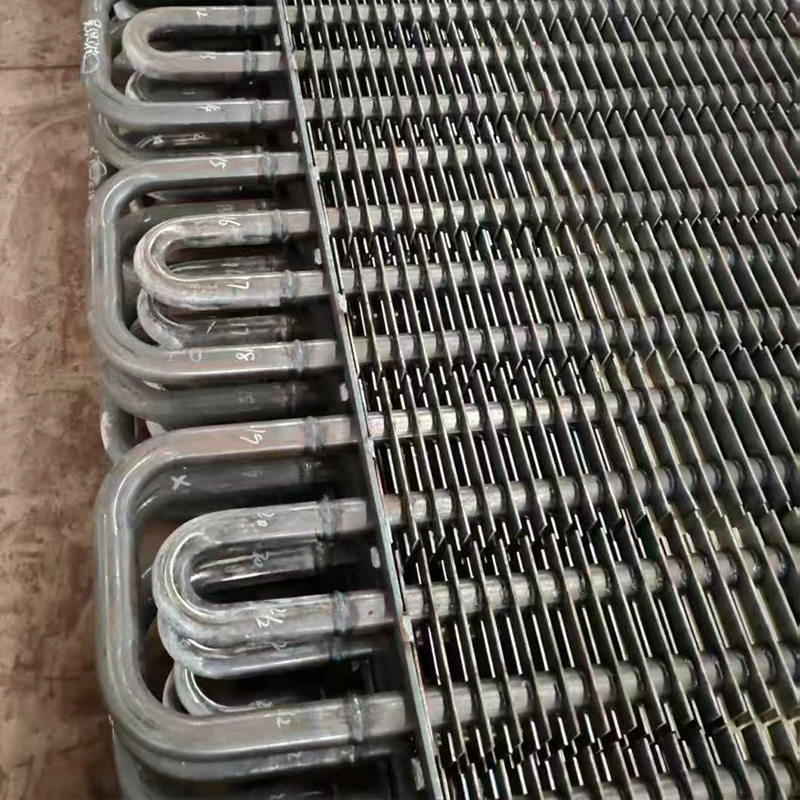
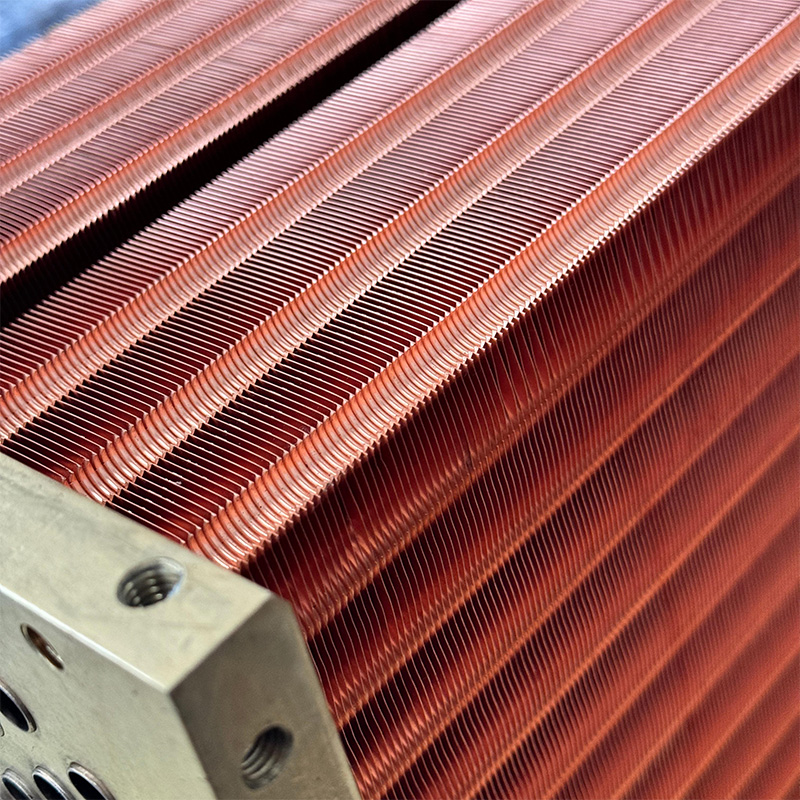
It is the requirements for extreme corrosion resistance and high pressure operation that make material selection critical not only for valves, but also for adjacent heat exchange equipment. For example, a companyWuxi Kaisheng Electric Power and Petrochemical Equipment Co., Ltd.specializes in the production of high-pressure heat exchangers and components from similar steel grades, including AISI 316, as well as titanium and nickel alloys (N06625). Their experience in creating products certified to ASME and PED standards for oil refining and seawater desalination confirms that in aggressive environments, skimping on metal quality is unacceptable. The reliability of the entire system often depends on how well the materials are selected for both shut-off valves and heat exchange units operating in a single circuit.
Types of control and their influence on the principle of operation
The design of the plunger lifting mechanism determines what diameter of pipeline the valve can serve and what pressure it will withstand. There are two main types of control: direct acting and pilot operated. The choice between them is dictated not only by budget, but also by the physical parameters of your system. An error in choosing the control type is the most common cause of equipment failure in the first six months of operation.
Direct Acting
In direct acting valves, the electromagnetic force of the coil directly overcomes the fluid pressure and spring force to move the plunger. There are no additional chambers or membranes that use pressure from the medium itself to assist in opening or closing. This means that the coil power must be sufficient to operate at zero pressure drop (0 bar). Such valves are ideal for small diameters (up to DN25) and low flow rates.
The main advantage is the ability to work without a minimum pressure drop. You can install such a valve at the outlet of the tank to the atmosphere, and it will function correctly. However, there is a significant drawback: energy consumption. To create enough force to lift the plunger against a pressure of 10 bar, a powerful and large coil is required, which consumes more electricity and runs hotter. In our practice, we limit direct action to diameters up to 1 inch. For larger sizes, heat generation becomes a critical factor that reduces the life of the coil insulation.
Pilot Operated
Pilot operated valves use the energy of the flowing medium itself to assist in opening or closing the main orifice. The design includes a small pilot line and a flexible diaphragm (or piston) separating the inlet and outlet pressures. When the coil is activated, it opens a small pilot hole, releasing pressure above the membrane. The pressure difference between the bottom and top of the membrane creates a force that easily lifts the main plunger, even if it has a large diameter.
This approach makes it possible to control large flows (DN50, DN80 and above) with compact and energy-efficient coils. Energy consumption is reduced by 5–10 times compared to direct action. But there is a strict limitation: a minimum pressure drop is required for operation (usually from 0.3 to 0.5 bar). If the inlet and outlet pressures are equal, the valve will not close or open correctly. We strongly discourage the use of normally open pilot valves on lines where complete pressure equalization is possible, such as pump bypass lines without a check valve.
| Comparison parameter | Direct Acting | Pilot Operated |
|---|---|---|
| Zero pressure operation | Yes, fully functional | No, min. required. differential 0.3–0.5 bar |
| Maximum diameter (DN) | Up to DN25 (1 inch) | Up to DN150 and above |
| Coil power consumption | High (up to 25 W or more) | Low (8–12 W) |
| Sensitivity to pollution | Low, large channels | High, pilot channel may become clogged |
| Cost | Higher for larger diameters | Lower for larger diameters |
| Recommended Environment | Gas, steam, viscous liquids | Water, oil, clean liquids |
Critical selection parameters for industrial applications
When ordering a normally open stainless steel valve, technical managers often focus only on the thread diameter. This is a fatal mistake. The actual reliability of a system depends on a combination of five parameters, each of which can become a bottleneck. Ignoring any of these turns an expensive valve into a disposable item.
Pressure and pressure drop (ΔP)
Each valve has a pressure rating (PN), such as PN16 or PN40, which indicates the maximum static pressure that the valve body will withstand without failure. However, a more important parameter is the operating pressure drop. For pilot operated normally open valves the minimum ΔP is critical. If the pressure in your system fluctuates and sometimes drops below 0.3 bar, the valve will remain open even when a signal is given to close. On the other hand, exceeding the maximum operating pressure will result in the electromagnet simply not being able to move the plunger against the pressure of the medium.
We always require from clients a graph of the pressure in the system, and not just a “maximum” number. Peak surges (water hammer) can briefly exceed the nominal value by 2–3 times. If your pump pulses up to 20 bar and the valve is rated at 16 bar, the seals will start leaking within a week. In such cases, it is necessary to install pulsation dampers in front of the valve or select a model with a pressure reserve of PN25/PN40.
Temperature range and media type
Stainless steel can withstand extreme temperatures, but sealing materials (gaskets, membranes) are the weak link. Standard EPDM (ethylene propylene rubber) seals operate from -10°C to +140°C and are excellent for hot water and steam. However, if you work with oils, fuels or organic solvents, EPDM will quickly degrade. In such cases, FKM (Viton) is needed, which can withstand up to +200°C and is resistant to chemicals, but costs 2–3 times more.
Particular attention should be paid to the temperature of the coil itself. Although the stainless steel body can be cooled by the environment, the coil heats up on its own. During continuous operation (100% duty cycle), the temperature inside the coil can reach 100–120°C. If the ambient temperature around the valve is high (for example, in a drying chamber), the resulting heat may cause the winding insulation to melt. We use epoxy potted IP67 coils to eliminate this risk, but this must be explicitly stated in the order specification.
Degree of protection and electrical characteristics
Humidity, dust and the possibility of pressure washing dictate the requirements for the IP protection class. For food production facilities where regular sanitization is carried out, the minimum acceptable standard is IP65. However, we strongly recommend IP67 or IP69K for direct wash areas. The IP65 rating protects against jets of water, but does not guarantee sealing against immersion or prolonged exposure to high pressure steam.
Supply voltage also plays a role. 24V DC coils are safer for personnel and easier to integrate with modern controllers (PLC), but require rectifiers and thicker cables due to the higher current. 220V AC coils are easier to connect, but create more noise (humming) and spark when switched, which is dangerous in explosive areas. If your production is ATEX certified, it is prohibited to use conventional valves - you need special explosion-proof versions with Ex marking.
Common installation and operation errors
Even the highest quality stainless steel valve will fail prematurely if installation rules are violated. Statistics on service calls show that 60% of breakdowns are not due to manufacturing defects, but to installation errors. Below are the situations we see most often and how to prevent them.
Incorrect orientation in space
Most solenoid valves are designed to be installed with the coil straight up. This requirement is dictated by gravity: the plunger must move freely, without friction against the walls of the guide sleeve. If the valve is mounted with the coil down or horizontal, the weight of the plunger will create a one-way load. Over time, this will cause the bushing to wear, the plunger to seize, and the valve to fail to open or close.
The exception is some specialized models designed for horizontal installation, but these must be clearly marked by the manufacturer. If space in the control cabinet or piping does not allow for vertical installation, use angle adapters to maintain the correct solenoid position. Trying to “squeeze” a standard valve into an inconvenient place will save 5 minutes during installation, but will cost thousands of rubles if the line is down.
No media filtration
Factory water, industrial fluid or even compressed air contain scale, welding grotto, sand and other solid particles. Even a small fragment (0.5 mm) getting between the seat and the plunger will cause the valve to leak. For pilot valves, this is even more critical: clogging of the pilot channel with a diameter of 1–2 mm completely paralyzes the operation of the device. The valve will either not close or will not open.
The rule is ironclad: in front of each solenoid valve, especially stainless steel for clean production, there must be a strainer with a mesh of at least 100 microns (0.1 mm). The filter must be accessible for regular cleaning. We have seen cases where customers installed expensive AISI 316L valves, but saved on a $10 filter. The result is product leakage and batch contamination. Installing a filter is not an option, but a mandatory condition of the warranty.
Ignoring water hammer
Rapid closing of a normally open valve (especially direct acting) generates a shock wave in the pipeline. If the flow speed is high and the pipe is long and rigid (steel, stainless steel), this wave is reflected from elbows and valves, creating multiple pressure surges. This causes a characteristic knocking sound (“water hammer”) that destroys welds, tears off flanges and damages downstream pressure sensors.
There are two ways to combat this phenomenon. The first is to install a water hammer damper (pulsation damper) next to the valve. The second is the use of valves with a slow closing function, where the design of the plunger or special pilot setting slows down the final stage of shutting off the flow. Do not try to solve the problem by simply reducing the pressure in the system - this will reduce the productivity of the entire line. Proper damping of water hammer extends the life of the pipeline by years.
Application in various industries
The versatility of normally open stainless steel valves makes them indispensable in a wide range of sectors. However, the requirements for them in each industry are radically different. Let's look at two specific cases from our practice that demonstrate the importance of correct selection.
Food industry: beverage bottling
On a mineral water bottling line, the client encountered a problem with the residual volume of product in the pipelines after the line was stopped. The use of normally closed valves required constant pressure maintenance, which led to micro-leaks and loss of sterility. The solution was to install normally open valves on the drain lines.
In normal mode (when the line is operating), the valves are closed under voltage, ensuring the tightness of the circuit. In the event of a power outage or the end of a shift, the valves automatically open, allowing the product to drain by gravity into a collection container, followed by CIP cleaning without operator intervention. We used AISI 316L valves with Ra 0.4 polish and food grade EPDM diaphragms. This made it possible to reduce downtime for washing by 25% and eliminate the risk of bacterial contamination in stagnant areas. The savings amounted to about 40 hours of working time per month.
Chemical processing: reagent dosing
Another case involved an acid waste neutralization system. It was required that the lye solution be supplied only when the pump was turned off to prevent acid from flowing back into the lye tank. A normally open valve was installed in the alkali supply line. When the pump was running (acid supply), voltage was applied to the valve, keeping it closed. When the pump stopped, the valve opened, purging the line with residual alkali and preventing the crystallization of salts in the tube.
Chemical resistance became the key factor here. Ordinary seals were corroded within a week. We have implemented a solution with PTFE (Teflon) membranes and AISI 316Ti housing. Despite the high cost of components, the service interval has increased from 1 week to 18 months. This example shows that in a chemical environment, the cost of a valve is secondary to the cost of downtime and hazardous waste disposal.
Certification and Compliance
When purchasing industrial equipment, the presence of certificates is not bureaucracy, but confirmation of safety and quality. For the Russian and EAEU markets, a certificate of conformity with the CU TR (Technical Regulations of the Customs Union) is mandatory. Without the EAC marking, operation of the valve in a hazardous production facility is prohibited by law and may result in fines and suspension of the facility's operations.
Кроме того, обратите внимание на стандарты качества материалов. Сертификат EN 10204 3.1 подтверждает химический состав стали и результаты механических испытаний для конкретной партии. Это важно для пищевых и фармацевтических применений, где недопустимо использование стали с повышенным содержанием свинца или других вредных примесей. Наши клапаны поставляются с полным пакетом документов, включая паспорт изделия, руководство по эксплуатации и декларацию о соответствии. Мы также поддерживаем сертификацию ISO 9001, что гарантирует стабильность процессов производства от литья заготовок до финальной сборки.
If your the company operates in explosive areas (oil and gas, paint and varnish production), make sure that the valve has an Ex certificate (ATEX or IECEx). Обычный искрящий контакт реле или перегрев катушки может стать источником воспламенения. Взрывозащищенные исполнения имеют специальный корпус, исключающий выход искры наружу, и ограниченный температурный класс поверхности.
Как продлить срок службы клапана: рекомендации экспертов
Ресурс соленоидного клапана измеряется миллионами циклов, но реальная цифра сильно зависит от условий эксплуатации. Чтобы ваше оборудование отработало заявленные 5–10 лет, следуйте простым, но важным правилам обслуживания.
- Регулярная проверка фильтров:Осматривайте сетчатые фильтры перед клапанами не реже одного раза в квартал. Забитый фильтр создает дополнительный перепад давления, заставляя катушку работать с перегрузкой.
- Контроль напряжения:Используйте стабилизаторы питания для катушек 24В DC. Просадки напряжения ниже 20В могут привести к неполному втягиванию плунжера и перегреву катушки. Превышение напряжения выше 28В ускоряет старение изоляции.
- Визуальный осмотр уплотнений:При плановых остановках линии проверяйте наличие внешних протечек вокруг штока и фланцев. Даже небольшая капель указывает на начало разрушения уплотнения.
- Защита от конденсата:В помещениях с высокой влажностью убедитесь, что разъем катушки плотно затянут и кабельный ввод герметичен. Попадание влаги внутрь разъема вызывает окисление контактов и короткое замыкание.
Помните, что профилактическая замена дешевого уплотнительного комплекта (repair kit) обходится в 10 раз дешевле, чем покупка нового клапана и простой производства из-за внезапной поломки. Мы рекомендуем держать на складе ремкомплекты для всех критических узлов системы.
Conclusion and selection of a reliable supplier
Нормально открытый клапан из нержавеющей стали — это сложный инженерный продукт, где каждая деталь, от марки стали до жесткости пружины, влияет на безопасность и эффективность вашего процесса. Понимание принципа его работы, различий между прямым и пилотным управлением, а также учет факторов среды позволит вам сделать осознанный выбор, избежав дорогостоящих ошибок. Не экономьте на качестве материалов и фильтрации — эти инвестиции окупаются многократно за счет бесперебойной работы.
Если вы столкнулись со сложностями в подборе оборудования или нуждаетесь в клапанах со специфическими характеристиками (нестандартные напряжения, особые уплотнения, сертификация ATEX), наша команда готова помочь. Мы обладаем собственным производством и складом, что гарантирует короткие сроки поставки и техническую поддержку на русском языке. Наши инженеры проведут аудит вашей системы и предложат оптимальное решение, соответствующее требованиям ГОСТ и международным стандартам.
Не рискуйте производственным процессом из-за неправильно подобранной арматуры. Получите профессиональную консультацию и коммерческое предложение уже сегодня.Изучите полный каталог соленоидных клапановили свяжитесь с нашими специалистами для обсуждения вашего проекта.