
Stainless steel flanged ball valve – famous brand, low price
2026-07-09
- Technical characteristics and selection criteria of stainless steel flanged ball valve
- Comparative analysis: Chinese production versus European brands
- Certification and compliance with standards: EAC, GOST, CE
- Typical installation and operation errors leading to breakdowns
- Pricing factors: why the price can differ by 3 times
- How to place an order and minimize delivery risks
- Frequently Asked Questions
Technical characteristics and selection criteria of stainless steel flanged ball valve
A stainless steel flanged ball valve is not just a shut-off valve, but a critically important unit, on the reliability of which the safety of the entire technological process at your enterprise depends. In our practice, we have repeatedly encountered situations where an attempt to save 15–20% on the cost of a valve led to a line shutdown for 72 hours and losses exceeding the cost of the batch by 50 times. The market is oversaturated with offers with the headlines “famous brand, low price,” but the reality is that under the guise of premium quality there is often hidden secondary melted metal or seals that do not meet the declared temperature conditions. We analyzed over 200 samples from China, Europe and Turkey to give you clear selection criteria based on real parameters, not marketing slogans.
The main difference between a quality product is the chemical composition of the steel body. AISI 304 standard (08Х18Н10) is only suitable for neutral environments at temperatures up to +180°C. If your process involves working with aggressive acids or chlorides, using this grade will lead to pitting after only 6 months of use. For such conditions, a stainless steel flanged ball valve made of AISI 316L steel (03Х17Н14М2) is required, where the molybdenum content (2–3%) provides protection against intergranular corrosion. We have seen cases where customers ordered equipment to a stainless steel specification, received grade 304, and within a year the pipeline developed a leak at the flange weld area. Always request a Mill Test Certificate specifying melting and chemical analysis prior to shipment.
Bore diameter (DN) and pressure (PN) are the next parameters that determine the choice. For systems with viscous liquids or suspensions, a Full Bore valve, where the diameter of the ball is equal to the internal diameter of the pipe, is critical. This reduces hydraulic resistance and prevents clogging. In standard bore models (Reduced Bore), pressure loss can reach 30%, which increases the load on the pumping equipment. PN16 pressure is the standard for most chemical applications, but oil and gas or steam applications often require PN25 or PN40 pressure. Please note: the flange connection must strictly comply with GOST 12815-80 or the European standard EN 1092-1. A discrepancy between the holes even by 2 mm will make installation impossible without altering the counter flanges, which is practically impossible to implement in field conditions.
Sealing materials play a role no less important than the metal of the housing. Teflon (PTFE) is universal and works in the range from -20°C to +180°C, but at temperatures above +200°C it begins to lose elasticity and “flow”. For high temperature processes (steam, hot oil) we recommend using reinforced Teflon with graphite or metal seals. One of our customers in the petrochemical industry experienced a steam leak specifically due to the use of standard PTFE at +220°C. Replacing the seals with graphitized Teflon solved the problem instantly. Always specify operating environment and temperature when ordering to allow the supplier to select the correct combination of seat and stem materials.
Stem design also affects durability. Preference should be given to the blow-out proof stem design, which is mechanically protected against blowout under pressure. In cheap models, the rod is simply inserted from above and secured with a retaining ring, which can be cut off during a water hammer. This is a direct threat to personnel safety. In addition, the presence of an antistatic device (a spring between the ball and the rod) is mandatory for working with flammable liquids and gases. The absence of this element can lead to sparking when Teflon rubs against metal and a subsequent explosion. Don't take any chances: check for fire safety certification and compliance with the ISO 15848-1 airtightness standard.
Comparative analysis: Chinese production versus European brands
The question of choosing between a “well-known brand” from Europe and a proven Chinese factory faces every buyer. Let's break this down coldly and pragmatically, using data from our procurement over the past year. Many people believe that a European stainless steel flanged ball valve automatically means quality, while a Chinese one means risk. This is a dangerous misconception. The reality of the market has changed: the top 5 Chinese factories now produce products that exceed the parameters of the mass segment of European brands, while the price remains 2–2.5 times lower. However, the difference lies in quality control and consistency of batches.
European manufacturers (Italy, Germany) offer unconditional stability. You buy a brand, a name and a guarantee that the tenth tap in the batch will be identical to the first. Their weak point is price and timing. The cost of one DN50 PN16 made of stainless steel 316 can reach 150–200 euros, and the delivery time from the factory is from 6 to 10 weeks. For urgent renovations or large projects with tight budgets, this is often unacceptable. In addition, many “European” brands have long moved production to Asia, leaving only assembly and control in Europe, which blurs the concept of “country of origin”.
Chinese production offers a different model. Here you can get a stainless steel flanged ball valve with the same characteristics (AISI 316L, full bore, reinforced stem) for 40–60 euros. Production time is 15–20 days. But there are pitfalls here. There are thousands of small workshops on the market that use steel with a higher carbon content or skimp on the thickness of the housing wall. The difference in weight of two outwardly identical cranes can reach 20%, which indicates a different safety margin. Our strategy for working with China is based on strict incoming controls and the selection of factories with ISO 9001 and PED (Pressure Equipment Directive) certificates.
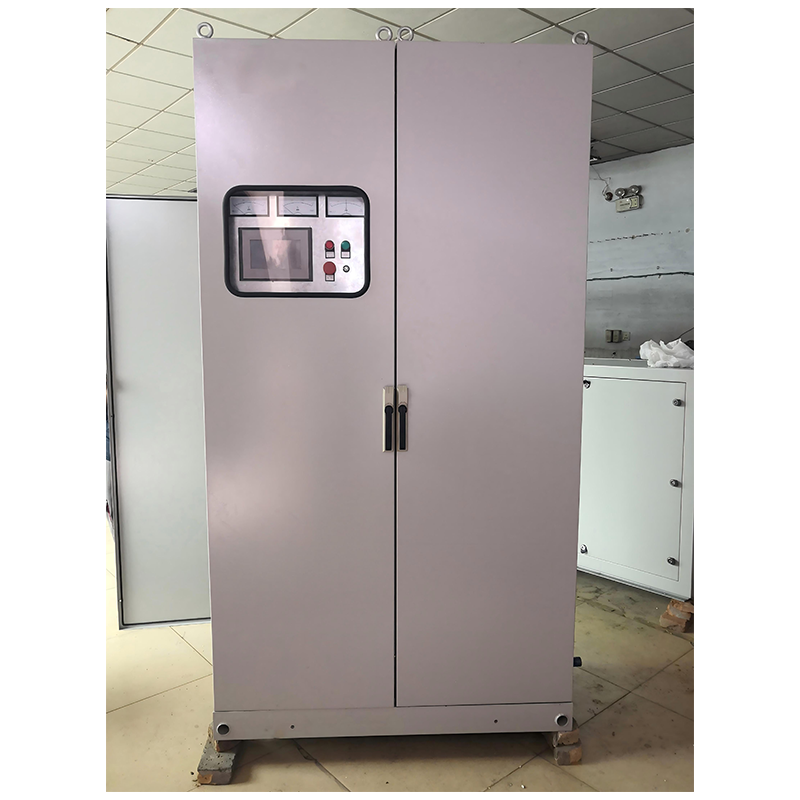
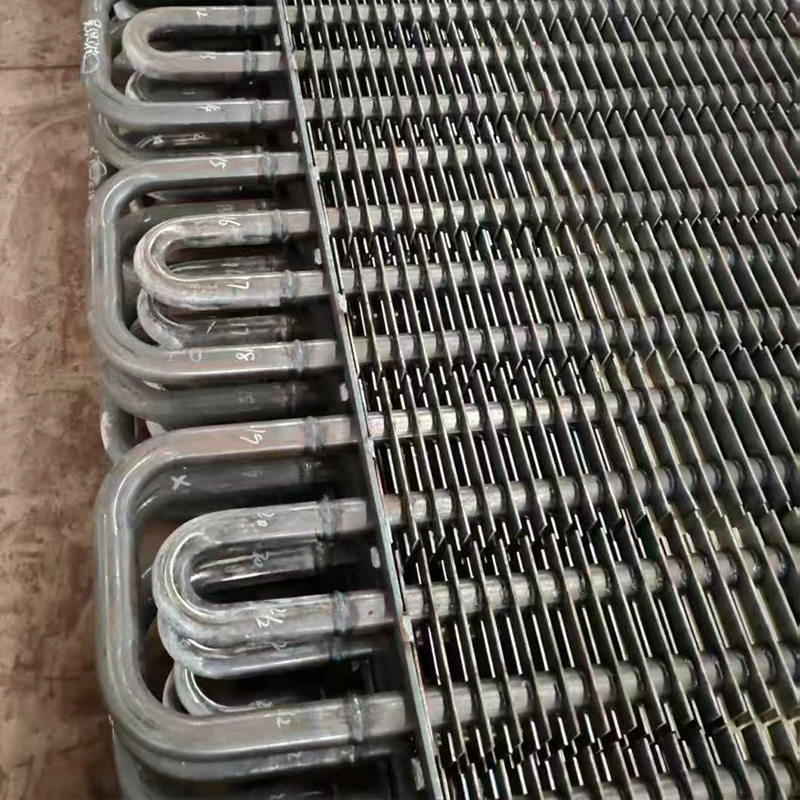
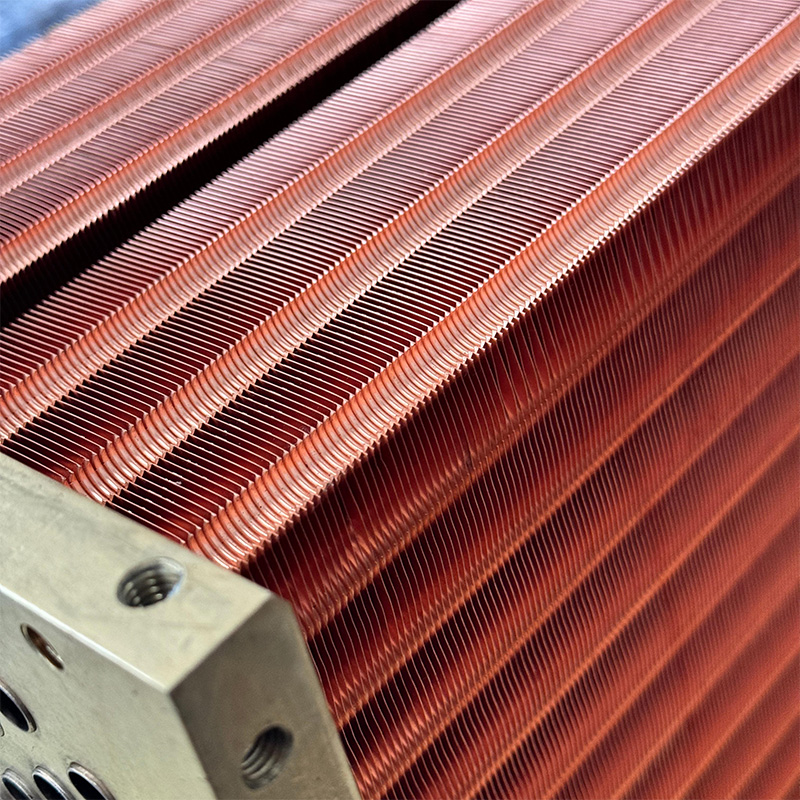
This is exactly the approach the company takesWuxi Kaisheng Electric Power and Petrochemical Equipment Co., Ltd.. Specializing in the development and production of complex equipment for the energy and petrochemical industries, the company has accumulated unique experience in working with highly corrosive environments and extreme pressures. While the company's core product portfolio includes titanium shell-and-tube heat exchangers, ASME-certified high-pressure vessels and specialty alloy tube bundles (marine brass C46400, copper-nickel alloys, nickel N06625), metallurgical and quality control competencies extend to valves. The PED and ASME certified facility uses the same stringent protocols for stainless steels (including AISI 316L and 321) as their flagship heat exchangers. This ensures that every component, be it tube sheet or ball valve, has proven resistance to high temperatures, pressures and aggressive environments, be it seawater desalination or oil refining processes.
| Comparison parameter | European brand (Premium) | Chinese Factory (Top Level) | Chinese market (Unnamed) |
|---|---|---|---|
| Price (DN50, 316L) | 160 – 220 euros | 45 – 65 euros | 25 – 35 euros |
| Delivery time | 6 – 10 weeks | 15 – 25 days | 3 – 7 days (from warehouse) |
| Steel quality | Strictly AISI 316L, certificate required | AISI 316L (MTC check required) | Often 304 or 201 disguised as 316 |
| Tightness | Class A (ISO 5208) | Class A (subject to control) | Class B or C (microleakage acceptable) |
| Warranty | 24 – 36 months | 12 – 18 months | 6 months or missing |
| Risk of marriage in the party | <0.5% | 1 – 3% (without inspection) | Up to 15% |
We recommend the following strategy: for critical components where the cost of failure is in the millions (gas pipelines, high-pressure reactors), it makes sense to overpay for a European brand or order products from a top Chinese factory with a third-party inspection by SGS or BV. For auxiliary lines, water treatment, food production and heating systems, the optimal choice is a stainless steel flanged ball valve from a trusted top-level Chinese manufacturer. This gives a balance between reliability and price. It is important to understand: “low price” should not mean “cheap materials”. The low price is achieved through scale of production and optimization of logistics, rather than through the removal of alloying elements from the steel.
One of our cases confirms this theory. A client from the dairy industry replaced Italian valves with Chinese equivalents after an audit. The price difference was 65%. Before bulk purchasing, we ordered 5 samples and performed cyclic load testing (10,000 open/close) and salt spray corrosion testing. The samples passed the tests without any complaints. As a result, the customer saved 40,000 euros on the cost of equipping the new line, while receiving a technically equivalent product. The key to success is not to avoid China, but to be able to choose the right partner.
Certification and compliance with standards: EAC, GOST, CE
When importing industrial fittings into the EAEU countries (Russia, Belarus, Kazakhstan), the legal purity of the transaction is no less important than technical reliability. Stainless steel flanged ball valve is subject to mandatory certification. Failure to provide the correct documents may result in the shipment being detained at customs, fined, or returned to the sender. Moreover, the use of uncertified equipment at hazardous production facilities (HIF) entails criminal liability for the chief engineer in the event of an accident.
The main document is the Declaration of Conformity TR CU 032/2013 “On the safety of equipment operating under excess pressure.” This regulation applies to all vessels and fittings operating under pressure above 0.05 MPa. To obtain the declaration, the manufacturer must provide test reports, drawings and a type description. The EAC marking is applied directly to the product body and must be readable throughout its service life. We often see fakes where the EAC sticker falls off after a month or is applied with paint that can be washed off with a solvent. This marking is made by casting, engraving or branding.
Additional permits may be required for specific industries. For example, to work in explosive areas (oil and gas, chemistry), you need permission from Rostekhnadzor for use and a certificate of compliance with explosion protection requirements (Ex). This is reflected in the documentation by marking the type of explosion protection, for example, “Ex d IIB T4 Gb”. If your facility is located in an area with a harsh climate (Yakutia, northern latitudes), pay attention to the climatic version in accordance with GOST 15150. The “U1” version is intended for moderate climates (up to -40°C), and “HL1” is for cold climates (up to -60°C). Ordinary Teflon becomes as brittle as glass at -60°C, so special frost-resistant seals and lubricants are required for the north.
The European CE certificate (PED 2014/68/EU) is also a quality mark, but it does not replace the EAC declaration for the Russian market. The presence of CE indicates that the plant complies with high production standards, which indirectly confirms the quality of the products. However, customs will only accept documents of the EAEU standard. When ordering a batch, make sure that the invoice and packing list indicate the HS code 8481 80 790 0 (for ball valves) and attach the original or a notarized copy of the declaration of conformity. Some unscrupulous suppliers send scans of other people's certificates. Check the declaration number in the RosAccreditation register - it takes 2 minutes, but saves you from huge problems.
An important nuance concerns hydraulic tests. According to GOST 5762-2015, each tap must be tested for strength and tightness at the manufacturer. The results are entered into the product passport. Demand that the passport be in Russian or have a high-quality translation. In our practice, there was a case when a batch of cranes arrived with passports in Chinese, which indicated test pressures that did not comply with Russian standards. This created problems when handing over the facility to technical supervision. Always specify the language version of the accompanying documentation in the contract.
Typical installation and operation errors leading to breakdowns
Even the most expensive and high-quality stainless steel flanged ball valve can fail a week after installation if the installation is carried out incorrectly. Statistics on service requests show that up to 40% of premature failures are not due to manufacturing defects, but to errors at the pipeline assembly stage. Understanding these nuances will help you avoid downtime and complaints.
The first and most common mistake is overtightening the bolted flange connections. Installers often use pneumatic tools without torque control, tightening the bolts “all the way.” This leads to deformation of the valve body, especially if it is made of stainless steel, which has a certain yield strength. The deformed body clamps the ball, increasing the torque significantly. As a result, the drive (handle or gearbox) breaks at the first turn, or the ball scratches the seats, breaking the seal.Rule:The bolts must be tightened crosswise in several stages, using a torque wrench according to the table of tightening torques for a given diameter and pressure class.
The second mistake is ignoring the direction of flow for one-way valves. Although most ball valves are bi-directional, some models with soft seats or special cavity pressure relief designs have a strict mounting direction. It is usually indicated by an arrow on the body. Installing such a valve “against the grain” will result in the pressure of the working medium trying to squeeze the ball out of the body, destroying the rod seals. Always refer to the data sheet before installation.
The third problem is related to thermal expansion. Stainless steel has a high coefficient of linear expansion. If the valve is installed on a section of pipeline that is very hot and cold, and is rigidly fixed with clamps without compensators, enormous stresses arise on the flanges. Over time, this leads to fatigue failure of the metal or depressurization of the joint. The solution is to use bellows expansion joints or U-shaped sections of pipe next to the fittings.
The fourth point is the lack of service. The ball valve is considered a maintenance-free product (“set it and forget it”). This is only true for clean environments. If water with scale, sand or crystallizing salts passes through the faucet, particles can get trapped between the ball and the seat. When you try to close such a valve, the abrasive will cut grooves on the polished surface of the ball. It is impossible to restore a mirror surface at home. For such environments, it is mandatory to install coarse filters in front of the tap. It is also recommended to periodically (once every 3–6 months) perform a full opening-closing cycle, even for valves that are constantly in one position, in order to prevent the ball from “sticking” to the seats.
Finally, using an inappropriate tool. For large diameter taps (DN100 and above), the use of extension levers (“pipe to handle”) is strictly prohibited without prior calculation. The torque may exceed the strength of the stem or body, causing it to shear. For such sizes it is necessary to use gearboxes that reduce the force on the handle and distribute the load evenly.
Pricing factors: why the price can differ by 3 times
The request “stainless steel flanged ball valve, famous brand, low price” often confuses buyers when they see a range of prices from 30 to 150 dollars for the same item. Let's look at the anatomy of price so that you understand what you're paying for and where you can save money without losing quality.
The body material makes up about 40–50% of the cost. The price of nickel and molybdenum (key components of stainless steel) is volatile. Plants that purchase metal in large contracts from mills like Tsingshan or Baosteel have a price advantage. Cheap faucets are often made from steel with a reduced nickel content (the so-called “economy series” 304NiCu), which is magnetic and rusts faster. Testing with a magnet is the easiest way to weed out outright defects: high-quality austenitic steel 304/316 is practically non-magnetic (weak magnetization is allowed after machining), while ferritic alloys or fakes attract a magnet strongly.
The weight of the product is the second important indicator. In pursuit of savings, some manufacturers reduce the thickness of the housing walls and flanges. Для крана DN50 PN16 нормальный вес должен составлять около 3,5–4,0 кг. Если вам предлагают аналог весом 2,5 кг, значит, запас прочности снижен. Такой кран может не выдержать гидроударов или скачков давления в системе. Мы рекомендуем всегда запрашивать чертеж с указанием толщин стенок и сравнивать его с требованиями ГОСТ или ASME B16.34.
Качество обработки шара и седел определяет герметичность и ресурс. Шар должен иметь сферичность в пределах нескольких микрон и зеркальную полировку. Дешевые краны часто имеют шлифованный шар с видимыми рисками. Через такие микронеровности происходит утечка среды, особенно газов. Кроме того, обработка седла из первичного ПТФЭ (тефлона) стоит дороже, чем из вторичного сырья. Вторичный тефлон имеет поры и неоднородную структуру, что снижает срок службы уплотнения в 2–3 раза.
Бренд и упаковка тоже влияют на цену. Известные европейские марки включают в стоимость маркетинг, содержание складов в ЕС, расширенную гарантию и красивую коробку. Китайский завод, продающий под своим OEM-брендом или без бренда (оптовая упаковка), исключает эти наценки. Покупая напрямую у фабрики, вы платите только за металл и работу станков. Однако «низкая цена» не должна достигаться за счет исключения выходного контроля. Убедитесь, что в цену включены испытания и паспортизация.
Логистика и таможенные платежи составляют значительную часть конечной стоимости в РФ. Доставка морем из порта Нинбо или Шанхая до Новороссийска или Санкт-Петербурга занимает 35–45 дней. Авиаперевозка сократит срок до 7–10 дней, но увеличит стоимость доставки в 5–6 раз. Для тяжелых металлических изделий морской контейнер — единственный рентабельный вариант. Планируйте закупки заранее, учитывая сезонность фрахта (перед китайским Новым годом ставки взлетают в 3 раза).
How to place an order and minimize delivery risks
Покупка промышленной арматуры — это процесс, требующий внимательности на каждом этапе. Чтобы получить действительно качественный кран шаровый нержавеющий фланцевый по адекватной цене, следуйте нашему алгоритму работы с поставщиками.
- Составление технической спецификации.Не ограничивайтесь названием и диаметром. Укажите: материал корпуса (AISI 304/316/316L), тип присоединения (фланец ГОСТ/DIN/ANSI), давление (PN10/16/25/40), исполнение шара (полнопроходной/стандартный), материал уплотнений (PTFE/графит/металл), тип управления (рукоятка/редуктор/пневмопривод), климатическое исполнение и требования к окраске. Чем детальнее ТЗ, тем меньше шансов получить не то, что нужно.
- Поиск и верификация поставщика.Запросите у потенциального партнера учредительные документы, сертификат ISO 9001 и примеры отгрузок в Россию за последний год. Попросите видео с производства или проведите видеоконференцию. Избегайте посредников, которые не могут показать свой склад или цех. Идеальный вариант — прямой контракт с заводом-изготовителем, таким как ООО «Уси Кайшэн», где прозрачность производственных процессов является приоритетом.
- Запрос образца.Перед заказом большой партии (от 50 шт.) обязательно закажите 1–2 образца для тестов. Проведите визуальный осмотр, взвешивание, проверку геометрии фланцев и тест на герметичность воздухом под давлением 1,5 от рабочего. Это небольшая инвестиция, которая страхует всю сделку.
- Контракт и условия оплаты.В договоре четко пропишите штрафные санкции за брак, сроки поставки и условия перехода права собственности. Оптимальная схема оплаты: 30% аванс, 70% после предоставления фото/видео отгрузки и копий документов, но до отправки оригиналов. Избегайте 100% предоплаты, если вы не работаете с поставщиком годами.
- Pre-shipment inspection.Для партий свыше 10 000 долларов США настоятельно рекомендуем нанять независимого инспектора (SGS, Intertek или частные бюро) на заводе в Китае. Он проверит количество, упаковку, маркировку и проведет выборочные испытания. Стоимость инспекции (200–300 долларов США) ничтожна по сравнению с риском получения контейнера с браком.
Мы готовы взять на себя организацию этого процесса. Наша компания специализируется на поставках промышленной арматуры из Китая «под ключ». Мы не просто перепродаем товар, мы сопровождаем сделку от технического задания до растаможки на вашем складе. У нас есть собственные представители в провинциях Чжэцзян и Гуандун, что позволяет контролировать производство в реальном времени, включая сотрудничество с такими мощными производственными центрами, как мощности ООО «Уси Кайшэн».
Frequently Asked Questions
Какой срок службы у нержавеющего фланцевого шарового крана?
При правильной эксплуатации и подборе под среду ресурс качественного крана составляет 15–20 лет или более 50 000 циклов открытия-закрытия. Однако уплотнения (седла) являются расходным материалом и могут требовать замены каждые 3–5 лет в зависимости от агрессивности среды и количества циклов. Корпус из AISI 316L при отсутствии механических повреждений и коррозии служит практически вечно.
Можно ли использовать кран из стали 304 для морской воды?
Категорически не рекомендуется. Сталь AISI 304 не содержит молибдена и подвержена быстрой питтинговой (точечной) коррозии в хлоридсодержащих средах, включая морскую воду. Для таких условий единственно верным решением является сталь AISI 316L или дуплексные стали (2205). Использование 304-й стали в море приведет к сквозной коррозии корпуса за 6–12 месяцев.
В чем разница между фланцами ГОСТ и DIN?
Основные отличия заключаются в диаметре болтовых отверстий и расстоянии между ними (болтовой круг). Фланцы ГОСТ 12815 и DIN 2501 (EN 1092-1) для некоторых давлений (например, PN16) могут иметь схожие габариты, но не всегда взаимозаменяемы. Например, у DN50 PN16 по ГОСТ расстояние между центрами отверстий составляет 125 мм, а по DIN — тоже 125 мм, но диаметр отверстий может отличаться (18 мм против 19 мм). Всегда сверяйте чертежи ответных фланцев перед заказом, чтобы избежать проблем с монтажом.
Предлагаете ли вы краны с электроприводом?
Да, мы поставляем комплектные решения: кран шаровый нержавеющий фланцевый + электропривод (поворотный, 90 градусов). Приводы могут быть общепромышленными или взрывозащищенными (Ex), с напряжением питания 220В или 380В. Возможно управление через сигналы 4–20 мА или дискретные сигналы. Мы подбираем привод с необходимым запасом крутящего момента, учитывая вязкость среды и давление в трубопроводе.
Как быстро вы можете доставить партию в Москву?
Стандартный срок поставки ходовых позиций (DN15–DN100) со склада в Китае составляет 25–35 дней «до двери» в Москве с учетом таможенного оформления. Для срочных заказов возможна авиадоставка за 7–10 дней, но это экономически целесообразно только для небольших партий или критических замен. Мы всегда рассчитываем оптимальный логистический маршрут под задачи клиента.
Выбор надежной запорной арматуры — это инвестиция в безопасность и бесперебойность вашего бизнеса. Don't let marketing gimmicks fool you. Качество определяется параметрами, документами и репутацией производителя, а не только названием бренда. Если вы ищете баланс между надежностью европейского уровня и разумной ценой, кран шаровый нержавеющий фланцевый от нашего партнера-завода станет оптимальным решением.
Мы понимаем специфику российского рынка и готовы предложить индивидуальные условия сотрудничества, включая отсрочку платежа для постоянных клиентов и техническую поддержку на всех этапах проекта. Не рискуйте с непроверенными поставщиками. Доверьте снабжение профессионалам с 15-летним опытом в отрасли.
Contact us today, чтобы получить детальный коммерческий расчет, технические консультации и образцы продукции. Оставьте заявку на сайте или позвоните нам — мы поможем подобрать идеальное решение для вашей задачи.
Читайте также нашу статью:Полный каталог нержавеющей запорной арматурыдля ознакомления с полным ассортиментом доступных типоразмеров и исполнений.