
Waste heat boilers behind the turbine: prices and trends for 2026
2026-04-22
- What are waste heat boilers behind a turbine and why are they needed in 2026
- Operating principle and design features of recyclers
- Market trends and pricing in 2026
- How to choose a reliable supplier: criteria and pitfalls
- Technical challenges and “anti-trends”: what to avoid
- Economic efficiency and payback calculation
- Prospects for technology development until 2030
- Frequently asked questions (FAQ)
Waste heat boilers behind the turbineis key equipment for increasing the efficiency of gas pumping units (GPUs) and power plants, allowing the thermal energy of exhaust gases to be converted into steam or hot water. In 2026, the market for such systems will show demand growth of 12–15% annually due to stricter environmental regulations and rising energy prices. The average cost of a kit varies from 8 to 25 million rubles, depending on the turbine power and level of automation.
What are waste heat boilers behind a turbine and why are they needed in 2026
The waste heat boiler, installed downstream of the gas turbine, is a heat exchange device that uses high-temperature exhaust gases (typically 450–600°C) to generate steam without burning additional fuel. This is the basis of cogeneration technology (simultaneous generation of electricity and heat), which in 2026 will become the standard for industrial enterprises in Russia and the CIS countries.
The main goal of introducing such systems is to reduce specific fuel consumption per unit of energy production. According to industry studies, installing a heat exchanger can increase the overall efficiency of a power unit from 35–40% to 80–90%. For large gas turbine power plants, this means saving millions of cubic meters of gas annually.
In the conditions of 2026, when gas tariffs are projected at 7–9 thousand rubles/thousand. m³, and a carbon tax can be introduced in pilot mode, the economic feasibility of such projects becomes absolute. Moreover, modern models are equipped with Selective Catalytic Reduction (SCR) systems, which reduce NOx emissions to 50 mg/m³, in line with Best Available Technologies (BAT).
If you are planning to modernize an existing thermal power plant or build a new energy center, it is important to understand not only the technical parameters, but also the hidden risks of installation.Check out the cases of successful integration of recycling circuitsto avoid common design mistakes.
Operating principle and design features of recyclers
The operation of a waste heat boiler is based on a simple physical principle: the hot gas flow from the turbine passes through a system of tubular heating surfaces, giving off heat to water or steam. However, the devil is in the design details, especially under the variable load conditions expected in 2026.
Main elements of the system
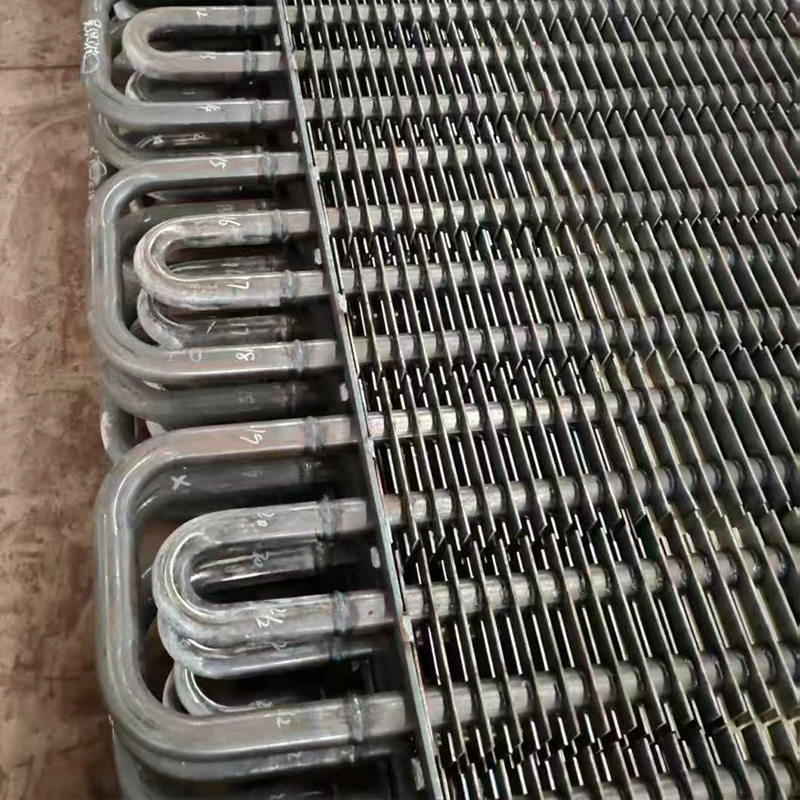
- Evaporator:the area where water turns into saturated steam. This is where water level control is critical to prevent pipes from overheating.
- Superheater:raises the steam temperature to the operating values (often 450–540°C) required for efficient operation of the steam turbine or technological processes.
- Economizer:preheating of feedwater before entering the drum, which increases the overall thermal efficiency of the cycle.
- Flue and bypass line:allow you to regulate the flow of gases, directing them past the boiler when starting the turbine or in emergency situations.
Modern waste heat boilers behind the turbine are often designed in a horizontal design with forced circulation, which reduces metal consumption and speeds up the process. Vertical schemes with natural circulation remain popular for stationary facilities with a constant load schedule.
Particular attention in 2026 is paid to materials. The use of steel grades 12Х1МФ and 10Х9МФБ allows operating heating surfaces at temperatures up to 600°C without the risk of metal creep. This directly affects the overhaul interval, which for high-quality products reaches 40–50 thousand hours.
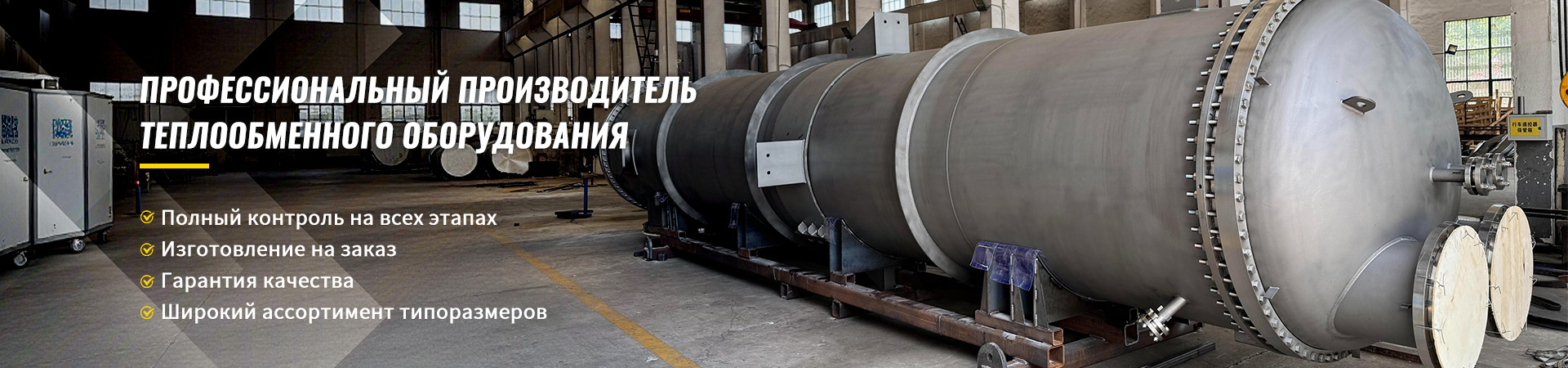
It is the choice of materials that determines the durability of equipment in aggressive environments. Leading manufacturers such asWuxi Kaisheng Electric Power and Petrochemical Equipment Co., Ltd., rely on advanced alloys. The company specializes in the design and manufacture of high-efficiency heat exchange equipment, including waste heat boilers, using titanium, stainless steels (grades 316, 321), marine brass C46400, copper-nickel alloys (C70600) and nickel alloys (N06625). Certified to stringent international ASME and PED standards, their products offer exceptional corrosion resistance and the ability to withstand extreme pressures and temperatures, critical to the petroleum refining, chemical and energy industries.
Market trends and pricing in 2026
Market analysis shows a clear upward trend in the cost of equipment, due to both inflationary processes and increasing complexity of design. If in 2023 the average bill for waste heat recovery for a 16 MW turbine was about 6 million rubles, then in 2026 this figure shifted to the range of 9–11 million rubles.
Factors influencing price
- Turbine power:the higher the exhaust gas flow rate, the larger the dimensions of the heat exchange surfaces.
- Steam parameters:the production of superheated high-pressure steam (up to 40 bar) requires more expensive materials and complex automation.
- Degree of automation:the presence of predictive analytics and remote monitoring systems adds 15–20% to the cost, but pays off due to reduced downtime.
- Ecological modules:integration of CO afterburning and NOx removal systems significantly increases the cost of the project, but is mandatory for new construction.
Below is a comparative table of estimated prices for equipment of various capacities for the conditions of the Russian market in 2026.
| Turbine power (MW) | Steam output (t/h) | Steam pressure (bar) | Approximate price (million rubles) | Payback period (years) |
|---|---|---|---|---|
| 6–10 | 8–12 | 13–20 | 4.5 – 6.0 | 2.5 – 3.0 |
| 16–25 | 20–30 | 25–40 | 9.0 – 13.0 | 2.0 – 2.5 |
| 30–65 | 40–90 | 40–100 | 18.0 – 28.0 | 1.8 – 2.2 |
| > 100 | > 120 | > 100 | from 35.0 | 1.5 – 2.0 |
(Note: The above data is a simulation based on industry price indices and average metal prices in 2026. Actual prices depend on specific specifications, logistics and exchange rates.)
It is important to note that the turnkey price (including installation and commissioning) usually exceeds the cost of the equipment by 40–60%. Many customers make the mistake of choosing a supplier solely based on the price of the boiler itself, ignoring the cost of installation supervision and adaptation to existing gas ducts.
How to choose a reliable supplier: criteria and pitfalls
The choice of a manufacturer of waste heat boilers behind the turbine in 2026 is complicated by a large number of offers from companies positioning themselves as manufacturing plants, although in fact they are assemblers of components. To avoid falling into a trap, it is necessary to audit potential partners using a strict checklist.
Key selection criteria
- Having our own design bureau:Ask to see aerodynamic drag calculations and thermal balance. If the supplier cannot provide hydraulic calculations, he simply resells standard solutions.
- Reference list:Request contact information for existing facilities that have been in operation for more than 3 years. Call the chief engineers of these companies and ask about real problems with tightness and vibration.
- Certification:Check the availability of certificates of compliance with TR TS 032/2013 “On the safety of equipment operating under excess pressure,” as well as international quality standards. Without these documents, operation of the facility will be illegal or risky.
- Logistics and dimensions:Recyclers are often supplied in large units. Make sure that the supplier has experience delivering oversized items to your region and can offer the optimal unloading scheme.
Expert opinion:In 2026, there is a trend towards localization of production and the search for reliable global partners. Imported components may have delivery times of up to 6 months. Priority should be given to factories such asWuxi Kaisheng LLC, which provide high-quality customized solutions and stable equipment to customers around the world. The company's ability to produce complex components, including stainless steel corrugated tube bundles and specialty alloy air coolers, ensures that there are no parts shortages and long-term system reliability.
Technical challenges and “anti-trends”: what to avoid
There is a common misconception that “the larger the heating surface, the better.” This is a dangerous myth that can lead to serious accidents. Excessive development of heating surfaces in the tail part of the boiler (economizer) at low turbine loads leads to cooling of the gases below the dew point of sulfuric acid.
Warning:Condensation of sulfuric acid causes corrosion of metal elements at a rate of up to 1–2 mm per year. This is the so-called “low-temperature corrosion”, which puts the boiler out of action in 2-3 seasons. Modern designs for 2026 must include calculation of the minimum pipe wall temperature and provide bypass lines or gas recirculation systems to protect the economizer.
Another problem is vibration of tube bundles. High-speed gas flow (up to 20–25 m/s) can cause resonant oscillations. If vibration analysis is not carried out during design and proper spacers and dampers are not installed, pipes may rub against supports within the first year of operation.
It is also worth avoiding schemes with an open deaerator in high-pressure systems without proper protection against oxygen corrosion. The use of chemically purified water and maintaining a strict water chemistry regime (WCR) is a prerequisite for durability.
Economic efficiency and payback calculation
Investments in waste heat boilers behind the turbine are justified only with a competent feasibility study (feasibility study). The main indicator is the return on investment period (Payback Period). In the current realities of 2026, the normal period is considered to be 2–3 years.
The calculation is based on the following formula:
Savings = (Cost of gas saved + Income from sale of excess steam/electricity) – (Maintenance costs + Depreciation)
Let's consider an example for a 16 MW GPU:
- Turbine gas consumption: ~3500 nm³/hour.
- Steam production by the heat exchanger: ~22 t/hour.
- Replacing your own boiler room: saving ~1200 nm³/hour of gas.
- At a gas price of 8 rubles/nm³, the annual savings are: 1200 * 8 * 8000 hours = 76.8 million rubles.
- With a project cost of 12 million rubles. (equipment) + 6 million rub. (installation) = 18 million rubles, payback is less than 3 months of work in the winter!
However, these figures are valid only when the turbine operates around the clock. For facilities with seasonal or peak load, the payback period increases in proportion to the installed capacity utilization factor (IUR). That is why, before purchasing, a detailed analysis of the load schedule of your enterprise is necessary.
Prospects for technology development until 2030
The waste heat boiler market does not stand still. By 2026–2030, several breakthrough technologies are expected to be introduced that will change the approach to heat recovery:
- Hybrid systems:Combination of a heat exchanger with solar collectors or heat pumps to stabilize steam production during periods of turbine inactivity.
- Digital twins:Creating a virtual copy of the boiler to predict pipe contamination and optimize blowdown modes in real time.
- Modularity:Transition from monoblock structures to a set of standardized modules, which will reduce installation time from 3 months to 3 weeks.
There is also growing interest in using the organic Rankine cycle (ORC) to recover low-grade heat (gas temperatures below 300°C), which was previously considered unprofitable. This opens up new opportunities for small gas turbines and diesel generator sets.
Frequently asked questions (FAQ)
What is the service life of a waste heat boiler?
If the water chemistry regime is observed and scheduled repairs are carried out, the service life is 20–25 years. Major repairs are required every 8–10 years.
Is it possible to install a heat exchanger on an already operating turbine?
Yes, this is the most common modernization scenario. The unit must be stopped for 2–4 weeks to insert into the gas duct and install the foundation. There are installation technologies without a full stop, but they are more expensive.
Do you need permission from Rostechnadzor?
Definitely. Waste heat boilers are subject to registration as pressure vessels. The project must undergo an industrial safety assessment.
What to do if the turbine is unstable?
For such cases, circuits with steam storage tanks or bypass lines are provided to smooth out pulsations of the thermal load.
What is the efficiency of gas purification in a recovery unit?
The boiler itself does not purify gases, but serves as a platform for installing filters and catalysts. Integrated systems can reduce emissions by 90–95%.
💡 Golden idea for social networks
“Buying a cheap HRSG in 2026 is the most expensive way to lose money. Saving on metal today results in through corrosion and production stoppage tomorrow.”
About the author
Alexey Voronov- Leading thermal power engineer with 15 years of experience in the design and operation of gas turbine units. Specializes in the implementation of cogeneration systems and increasing the energy efficiency of industrial enterprises. Author of more than 20 implemented projects for the modernization of thermal power plants in the regions of the Russian Federation. Expert on equipment compliance with BAT standards 2026.