
Water-water shell-and-tube heat exchanger 2026: prices, characteristics and selection
2026-04-20
- What is a water-to-water shell-and-tube heat exchanger and how does it work in 2026
- Key technical characteristics and selection parameters
- Prices for shell-and-tube water-water heat exchangers in 2026: market analysis
- Comparison: Shell and tube vs plate heat exchanger
- How to choose the right supplier and model: step-by-step guide
- Installation and operation: tips for extending service life
- Frequently asked questions (FAQ)
- Conclusion: Investing in Reliability
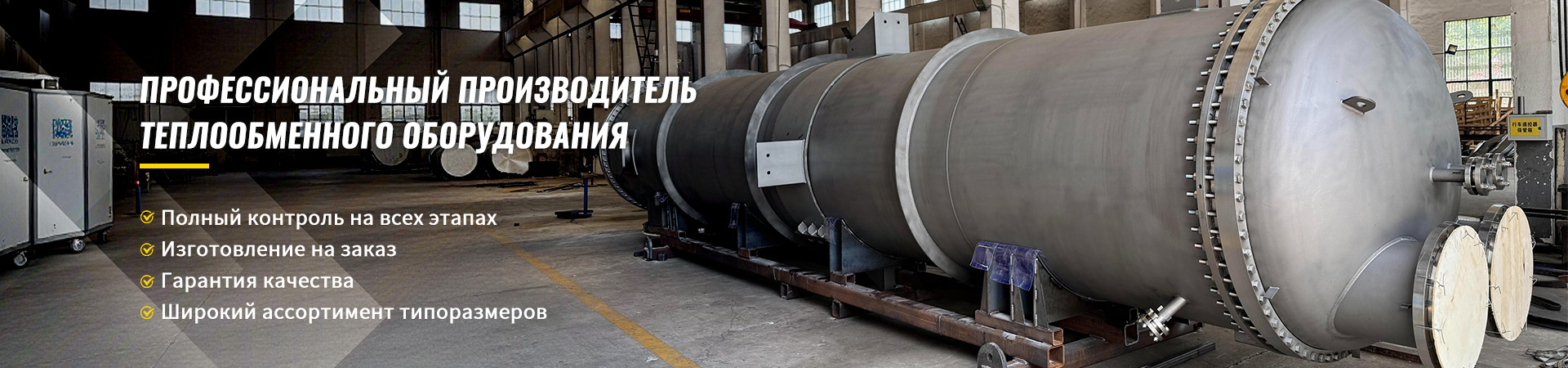
Shell and tube water-water heat exchangeris a reliable and efficient device for transferring heat between two water circuits, widely used in heating systems, domestic hot water and industrial processes. In 2026, the choice of such a model depends on an accurate calculation of the thermal load, the quality of materials (stainless steel or carbon steel) and current market prices, which range from budget serial solutions to complex custom-made engineering projects.
What is a water-to-water shell-and-tube heat exchanger and how does it work in 2026
In modern energy and housing and communal serviceswater-water shell-and-tube heat exchangerremains the gold standard for reliability. Despite the active development of plate analogues, pipe devices are indispensable where high pressures, work with contaminated media or long periods of operation without maintenance are required.
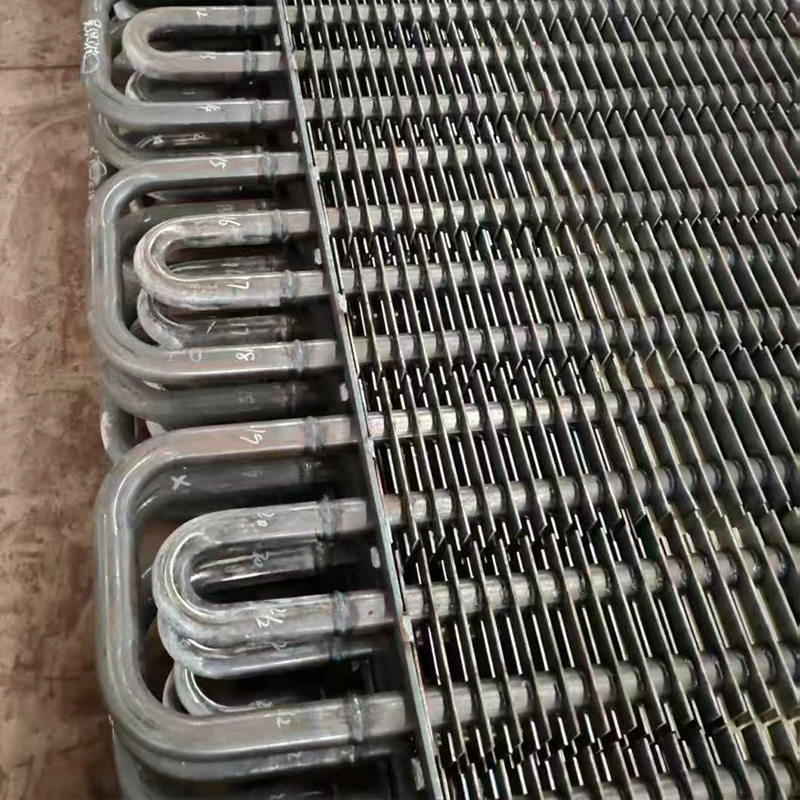
Structurally, the device is a bundle of pipes enclosed in a common housing (casing). One medium (for example, hot water from a boiler room) moves inside the pipes, and the second (cold water from the water supply system) washes these pipes from the outside, inside the casing. Separation of media ensures the tightness of the tube sheet and the absence of mixing of flows even with a pressure difference of tens of atmospheres.
The operating principle is based on the physics of heat transfer through the pipe wall. In 2026, manufacturers introduced a number of innovations to improve efficiency:
- Flow turbulators:special inserts inside the pipes or the profiled surface of the pipes themselves create turbulence, destroying the boundary layer and increasing the heat transfer coefficient by 15–20%.
- Improved materials:The widespread use of austenitic stainless steels (grades 08Х18Н10, 316L), as well as specialized alloys, has made it possible to increase the service life of devices in aggressive environments to 25 years or more.
- Optimized Layout:multi-pass circuits for the movement of coolants make it possible to make maximum use of the temperature pressure, reducing the dimensions of the installation while maintaining power.
It is important for the end user to understand thatwater-water shell-and-tube heat exchangeris selected not just by power, but by a combination of hydraulic resistance and operating conditions. Unlike plate models, they are less sensitive to water hammer and water quality, making them an ideal choice for older heating systems and industrial cycles.
Key technical characteristics and selection parameters
When selecting equipment from supplier catalogs, you will encounter a lot of technical terms. Understanding these parameters is critically important in order to buy a device that will actually solve your problem and will not become a problem during installation.
Thermal power and surface area
The main parameter is thermal power, measured in kilowatts (kW) or gigacalories per hour (Gcal/h). It directly depends on the heat exchange surface area. In modern 2026 models, the packing density of the pipes has been increased, which makes it possible to obtain more power with the same dimensions. However, it is worth remembering: the larger the area, the higher the hydraulic resistance.
Working pressure and temperature
This is the main advantage of a pipe structure over a plate structure. Standardwater-water shell-and-tube heat exchangerseasily withstand pressure up to 16 bar, and reinforced versions - up to 25 bar and higher. The operating temperature range is usually from -40°С to +200°С, which covers the needs of any central heating and heating substation systems.
Material of execution
The choice of material is dictated by water quality and budget. Modern market leaders such asWuxi Kaisheng Electric Power and Petrochemical Equipment Co., Ltd., offer a wide range of solutions: from classic carbon steel to exotic alloys for extreme conditions.
- Carbon steel:a budget option for closed heating systems with treated water. Requires regular anti-corrosion treatment.
- Stainless steel:the optimal choice for DHW systems and open circuits. Completely eliminates the risk of rust getting into drinking water. Leading manufacturers use grades 316 and 321 for maximum durability.
- Specialized alloys:For work with sea water or aggressive chemical environments, titanium, marine brass (C46400), copper-nickel alloys (C70600) and nickel alloys (N06625) are used. Such materials, proposed by leading industry engineers, ensure the operation of devices in oil refining, desalination and shipbuilding for decades without loss of properties.
- Titan:It is rarely used, only in specific industrial conditions with extremely aggressive environments where absolute corrosion resistance is required.
Tube sheet type
There are two main types of pipe fastening: flaring and welding. Flaring allows for the repair and replacement of individual pipes, but has temperature restrictions. The welded connection (especially laser welding, popular in 2026) ensures absolute tightness and durability, but makes the device unrepairable in the field - the entire beam must be replaced.
Prices for shell-and-tube water-water heat exchangers in 2026: market analysis
The heat exchange equipment market in 2026 is characterized by high price volatility, depending on the cost of metal, logistics and the complexity of engineering calculations. The buyer must clearly distinguish between the cost of a standard product and the price of an individual project.
Factors influencing pricing
Price forwater-water shell-and-tube heat exchangeris formed under the influence of several key factors:
- Cost of raw materials:prices for stainless steel, titanium and nickel alloys remain high cost drivers. Any fluctuations in stock quotes are instantly reflected in the price lists of factories.
- Difficulty of manufacturing:devices with a multi-pass flow pattern, finned tubes, or made to ASME and PED standards are more expensive due to labor-intensive production and quality control requirements.
- Certification:the presence of certificates of compliance with the technical regulations of the Customs Union (TR CU), as well as international standards, is mandatory for legal operation and adds about 10–15% to the cost.
- Logistics:The dimensions and weight of tube heat exchangers are significant. Delivery of oversized cargo to remote regions can constitute a significant part of the procurement budget.
Approximate price ranges
Below is a table with average market prices for popular heat exchanger series in 2026. It is important to note that these are turnkey prices with basic automation, but without taking into account complex installation supervision.
| Power (kW) | Type of execution | Material | Price range (RUB) | Delivery time |
|---|---|---|---|---|
| 50 – 150 | Serial, one-way | Steel / Stainless steel | 45,000 – 90,000 | 3–7 days |
| 200 – 500 | Standard, two-way | Stainless steel | 120,000 – 250,000 | 10–14 days |
| 600 – 1500 | Reinforced, multi-pass | Stainless steel / Alloys | 300,000 – 650,000 | 2–4 weeks |
| More than 2000 | Individual project | According to the customer’s specifications (Titanium, Nickel, etc.) | from 800,000 | 4–8 weeks |
It is worth considering that the cheapest offers on the market often hide pitfalls: the use of thin-walled pipes, lack of quality certificates or savings on insulation. For critical facilities, such as hospitals or kindergartens, savings at the initial stage can lead to emergency situations and huge fines from supervisory authorities.
Comparison: Shell and tube vs plate heat exchanger
A common question when designing systems is: what type of device should I choose? To make an informed decision, it is necessary to conduct a comparative analysis.Shell and tube water-water heat exchangeroften loses in compactness, but wins in reliability.
Advantages of shell-and-tube devices
- Omnivorous:are able to work with low-quality water containing mechanical impurities, without the risk of rapid clogging of small cross-section channels.
- Maintainability:possibility of opening the housing for mechanical cleaning of pipes outside and inside (with removable covers).
- Low hydraulic resistance:with correct calculation, the pressure loss in the tube bundle is lower than in the narrow channels of the plates.
- Durability:absence of sealing gaskets, which are the weak point of plate models and require replacement every 3–5 years.
Disadvantages compared to plate ones
- Dimensions and weight:take up 3–5 times more space in the ITP room, which is critical when reconstructing old buildings.
- Inertia:a larger mass of metal requires more time to reach operating mode.
- Efficiency:The heat transfer coefficient of smooth pipes is lower than that of corrugated plates, so a larger apparatus is needed for the same power.
Expert recommendation:If you have a place in a heating point and the priority is reliability and minimal maintenance for 10–15 years - choosewater-water shell-and-tube heat exchanger. If space is limited, the water is perfectly prepared, and the budget for the initial purchase is strictly limited - consider the collapsible plate option.
How to choose the right supplier and model: step-by-step guide
The process of purchasing industrial equipment requires a systematic approach. A mistake at the selection stage can cost a company millions of rubles in losses due to downtime or inefficient energy consumption.
Step 1: Collecting Initial Data
You cannot order a heat exchanger simply by stating the desired power. You will need to fill out a questionnaire indicating:
- Inlet and outlet temperatures of both circuits (heating and heated medium).
- Coolant flow (m³/h or kg/h).
- Allowable pressure loss for each circuit.
- Chemical composition of water (for selection of material).
- Connection requirements (diameter of pipes, their location).
Step 2: Calculation and selection
Entrust the calculation to professionals. Modern factories, including specialized enterprises such asWuxi Kaisheng LLC, use specialized software (for example, HTRI or our own developments), which simulates the operation of the device in various modes, taking into account specific environments - from fresh water to aggressive petrochemical products. Ask the supplier to provide not only a quotation, but alsopayslipindicating the surface margin (usually 10–15%).
Step 3: Manufacturer Check
Pay attention to the following reliability markers:
- Availability of our own design bureau and test bench.
- Reviews about the work of the service department and the availability of spare parts in the warehouse.
- Transparency of the supply chain of components and the availability of international certificates (ASME, PED) confirming the quality of welding and materials.
- Experience in implementing individual projects in the oil refining, energy and water desalination industries.
Step 4: Conclusion of the contract
The contract must clearly stipulate warranty obligations, delivery dates and liability for non-compliance with the stated characteristics. Make sure that the specification contains the full HS code and required certificates.
Installation and operation: tips for extending service life
Even the highest qualitywater-water shell-and-tube heat exchangerwill fail prematurely if installed and used incorrectly. Following simple rules will help maintain the warranty and efficiency of the equipment.
Installation rules
- Foundation:Due to its heavy weight, the device must be installed on a flat, reinforced base. The use of vibration-isolating gaskets is mandatory to reduce noise and loads on pipelines.
- Shut-off valves:It is mandatory to install ball valves on all four pipes to allow dismantling without draining the entire system.
- Filtration:Despite the resistance to contamination, the installation of dirt traps at the inlet of the heat exchanger is highly recommended. This will prevent pipe erosion and deposits from forming.
- Expansion compensation:Long shell-and-tube devices are subject to thermal expansion. Use expansion joints or U-shaped sections of pipes on the connections.
Maintenance schedule
During operation, pipes gradually become overgrown with scale and sludge. Signs that cleaning is needed include:
- Reducing the temperature of hot water at the outlet with unchanged input parameters.
- Increase in pressure difference on pressure gauges before and after the device.
- Increasing energy consumption to achieve the same indicators.
Cleaning is done mechanically (pulling brushes, hydrodynamic washing) or chemically (circulation of acid solutions). Chemical washing should be carried out with care to avoid damaging the metal, especially if carbon steel or specific alloys are used.
Frequently asked questions (FAQ)
What is the service life of a shell and tube heat exchanger?
With proper operation and timely maintenance, the service life of devices made of stainless steel and titanium is20–25 yearsand more. Carbon steel models last less - about 10-12 years, depending heavily on the quality of water treatment.
Is it possible to use a shell-and-tube heat exchanger for a “warm floor” system?
Yes, you can. However, due to the low inertia of heated floors and the requirements for precise temperature maintenance, a mixing unit with high-quality automatic control must be used in conjunction with a pipe heat exchanger.
What is the difference between a fixed grille and a floating head?
Devices withfixed gridsimpler and cheaper, but do not compensate for the difference in thermal expansion of pipes and casing, which limits their use at large temperature differences. Designs withfloating headallow the tube bundle to expand freely, relieving thermal stress, and facilitate cleaning of the inter-tube space.
Is registration of a heat exchanger required with Rostechnadzor?
The heat exchanger itself, operating in heating and hot water systems with pressure up to certain limits (usually up to 0.07 MPa for steam or up to 115 ° C for water, but standards may vary), is often not subject to registration as a hazardous production facility. However, for industrial high pressure installations, especially in the oil and gas industry, registration is mandatory. Always check this point in the project and with the manufacturer.
Is it possible to modernize an old heat exchanger?
Yes, it is possible to replace the tube bundle with a more modern one, for example, with finned tubes or made of improved alloys (titanium, copper-nickel), which will increase power and corrosion resistance without replacing the housing.
Conclusion: Investing in Reliability
Selecting heat exchange equipment in 2026 is a balance between technology, cost of ownership and reliability.Shell and tube water-water heat exchangerhas proven its effectiveness over decades of operation in the harsh climatic conditions of Russia and in complex industrial cycles around the world. Despite the emergence of new materials and designs, it remains the only solution for problems where uninterrupted heat supply, work with aggressive environments and durability come first.
When making a purchasing decision, do not chase the lowest price. Analyze the complete life cycle of equipment: energy costs, maintenance, repairs and downtime. High-quality pipe heat exchanger from a trusted manufacturer such asWuxi Kaisheng Electric Power and Petrochemical Equipment Co., Ltd., offering comprehensive solutions from standard steel models to high-tech devices made of titanium and nickel alloys, will pay off due to stable operation and the absence of emergency situations. Contact suppliers who offer not just hardware, but an integrated engineering approach: from calculations to service support.
Remember that the right choice today is a guarantee of warmth, safety of production processes and comfort tomorrow. Study technical data sheets, compare offers and entrust installation only to qualified specialists.