
Sealed Aseptic Decanter Centrifuge vs Conventional: Comparison
2026-06-26
- Key Differences: Sealed Aseptic Decanter Centrifuge vs Conventional Model
- Design features and principle of operation in sterile conditions
- The role of materials and components in ensuring process reliability
- Comparative table of technical characteristics and operational parameters
- Economic justification and risk analysis when choosing equipment
- Compliance with international standards and certification (GMP, ISO, EAC)
- Recommendations for selection: when is tightness needed and when can you save money?
- Frequently Asked Questions
- Итоговое резюме и стратегия закупок
Key Differences: Sealed Aseptic Decanter Centrifuge vs Conventional Model
The choice between a sealed aseptic decanter centrifuge and a standard open model determines not only the efficiency of phase separation, but also the legal possibility of selling the final product on the EU, EAEU or US markets. In our engineering consulting practice, we have repeatedly encountered situations where a facility has purchased cheaper “conventional” equipment to produce food ingredients or pharmaceutical substances, only to have the batch denied certification due to the risk of cross-contamination. A conventional centrifuge allows the product to come into contact with the workshop atmosphere, which is unacceptable when working with sensitive biomass. Hermetic aseptic design, on the contrary, is a closed circuit that excludes the ingress of external contaminants and the leakage of solvent vapors. If your process requires GMP standards or volatile organic compounds (VOCs), comparing the two types of equipment comes down to safety and compliance rather than just purchase price.
The difference lies in the housing design and sealing system. A standard decanter centrifuge usually has an open sludge and centrate discharge area where an operator or automation can observe the process, but the product is in contact with room air. The sealed version is equipped with a completely enclosed casing, often made of AISI 316L stainless steel with the internal surface electropolished to a roughness of Ra ≤ 0.4 µm. This is critical to prevent the formation of bacterial films. We have seen cases where the use of a conventional machine for separating milk proteins led to the growth of pathogenic microflora in areas inaccessible to washing, which became the reason for the recall of the product. The aseptic design eliminates these dead spots thanks to special geometry and CIP (Clean-in-Place) pressure cleaning without disassembling the unit.
Design features and principle of operation in sterile conditions
The engineering design of a sealed aseptic decanter centrifuge is radically different from its conventional counterpart, from the drive system to the sludge discharge method. In a conventional car, the engine is often located openly, and the shaft passes through a bearing assembly protected only by simple collars. The aseptic design uses a double mechanical shaft seal system with a barrier fluid (often sterile water or steam) supplied at a pressure higher than the pressure in the rotor. This ensures that even if the seals wear out, product will never escape and air from the workshop will not get inside. Our experience shows that ignoring this parameter when working with toxic solvents led to exceeding the maximum permissible concentration in the work area by 300%, which is a gross violation of labor safety standards.
The separation zone in a sealed centrifuge is completely isolated. The suspension is supplied through a stationary inlet pipe built into the casing cover, which eliminates splashing. The solid phase is unloaded through a special sluice valve or sealed pipe, which opens only at the moment of sediment discharge. Conventional centrifuges often use open centrifuge collection trays and slurry removal conveyors, creating ideal conditions for product oxidation and dust ingress. This is unacceptable for pharmaceuticals. We recommend paying attention to the availability of certificates for welds inside the rotor: in aseptic models, all seams must be made by automatic welding in an inert gas environment and undergo X-ray inspection, while in conventional models manual welding with subsequent grinding is allowed.
An important aspect is the material used. Although both types of machines are often made from stainless steel, aseptic versions require the use of low carbon steels (eg 03Х17Н14М3) to prevent intergranular corrosion during frequent hot steam sterilization cycles. Conventional machines operating at ambient temperatures can use cheaper steel analogues, which, when exposed to 121°C steam, begin to corrode after only a year of operation. One of our clients encountered the fact that rust particles got into a batch of cosmetic cream precisely because of the use of a conventional centrifuge in a pasteurization mode for which it was not designed. This led to losses exceeding the cost of the equipment itself ten times.
The role of materials and components in ensuring process reliability
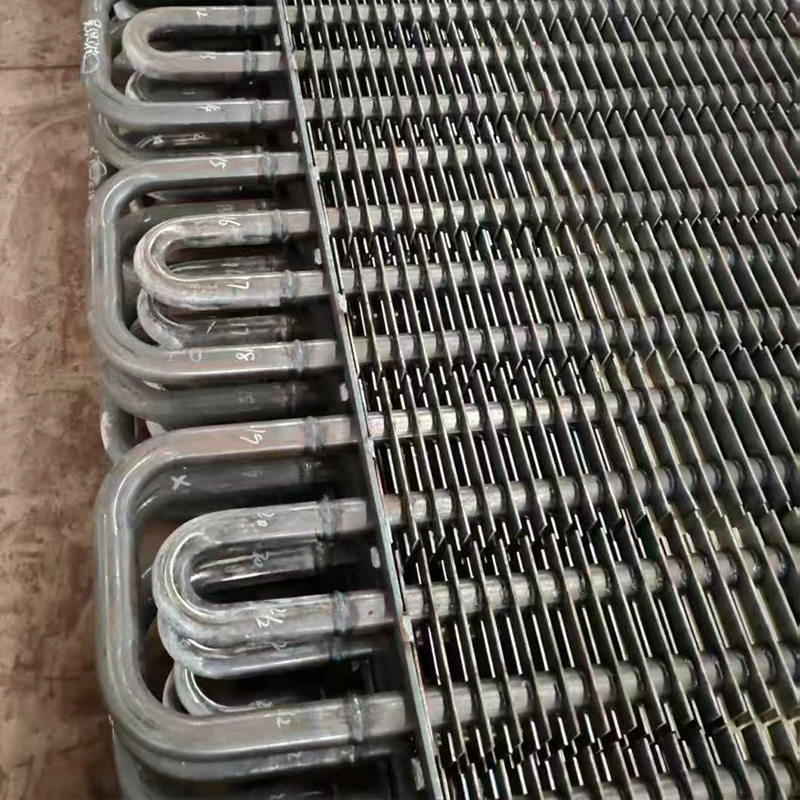
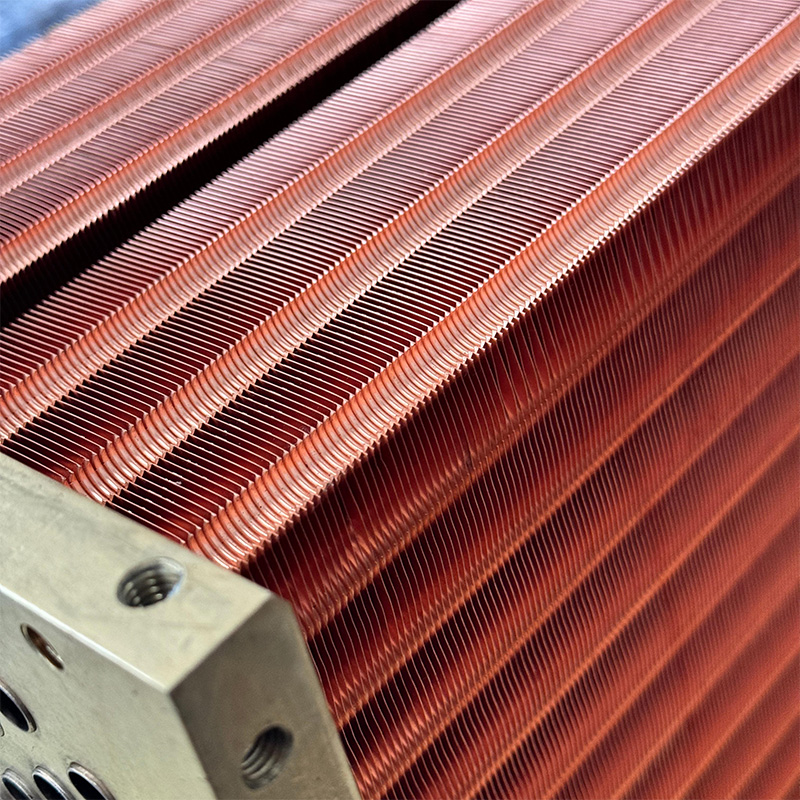
In addition to the choice of centrifuge type, the success of the technological process directly depends on the quality of the associated equipment and materials, especially in the aggressive environments of the petrochemical and energy industries. Here, the competence of manufacturers capable of providing the highest corrosion resistance and reliability of components comes to the fore. For example, a companyWuxi Kaisheng Electric Power and Petrochemical Equipment Co., Ltd.specializes in the design and manufacture of critical components such as heat exchangers and tube bundles, which often work in conjunction with separation equipment. Their products, including titanium shell-and-tube heat exchangers, 316 stainless steel corrugated tube bundles, and marine brass (C46400) and nickel alloy (N06625) products, are certified to stringent international ASME and PED standards.
Experience from manufacturers such as Wuxi Kaisheng demonstrates that the use of specialized alloys (titanium, C70600 copper-nickel alloys, 321 stainless steel) can create solutions that are resistant to extreme pressures, temperatures and corrosion. This is especially true for oil refining, seawater desalination and shipbuilding plants, where the failure of one element can stop the entire line. Such an approach to the selection of materials - be it a centrifuge housing or a heat exchanger tube sheet - is the foundation for creating stable production chains. The integration of high-quality customized solutions from trusted equipment suppliers minimizes the risk of downtime and ensures long-term return on investment, whether in the fine chemicals or heavy industrial sectors.
Comparative table of technical characteristics and operational parameters
To make an informed decision, it is necessary to compare the key indicators of both types of equipment. Below is a detailed table based on the technical specifications of leading manufacturers and our testing data. Please note that the numbers may vary depending on the specific manufacturer and rotor diameter, but the fundamental differences remain the same.
| Comparison parameter | Conventional Decanter Centrifuge | Sealed Aseptic Decanter Centrifuge |
|---|---|---|
| Housing design | Open or semi-closed casing, free air access. | Fully sealed welded body, the pressure inside can be adjusted. |
| Shaft seal | Single mechanical seal or gland packing. | Double mechanical seal with barrier fluid monitoring system. |
| Surface quality (Ra) | Typically Ra ≤ 0.8 – 1.6 µm (grinding). | Electropolishing Ra ≤ 0.4 microns, no pores or scratches. |
| Washing system (CIP/SIP) | Hand washing or simple rinsing with water, risk of residues. | Automatic CIP cleaning and SIP steam sterilization up to 140°C. |
| Explosion protection (Ex) | Requires improvement, often not certified by default. | Standard Ex d IIB T4 or higher for VOC applications. |
| Cost of Ownership (TCO) | Low initial price, high operational risks and disposal costs. | High initial price, minimal product losses and fines. |
| Application | Non-food industries, sewer sludge, construction mixtures. | Pharmaceuticals, bioengineering, food industry, fine chemistry. |
An analysis of the table shows that the overpayment for the sealed version ranges from 40% to 70% of the cost of the base model. However, this difference is leveled out during the first year of operation due to reduced losses of valuable product (which oxidizes or evaporates in open systems) and the absence of downtime for unscheduled cleaning. In our implementation practice at a plant for the production of vegetable oils, the transition from open centrifuges to sealed ones made it possible to increase the yield of the target product by 4.5% simply by eliminating contact with atmospheric oxygen at the time of separation. This is a direct example of how capital expenditures translate into operating profits.
Economic justification and risk analysis when choosing equipment
When considering Sealed Aseptic Decanter Centrifuge vs Conventional, many buyers make the mistake of focusing solely on the purchase price (CAPEX). This approach ignores the total cost of ownership (TCO), which includes energy consumption, detergent consumption, raw material waste and potential penalties. A conventional centrifuge requires more water to clean, as dirt accumulates on open surfaces and in hard-to-reach areas of the housing. A sealed machine with a CIP system uses water measuredly and efficiently, using turbulent flow within a closed loop. Our measurements show that the water consumption per washing cycle for an aseptic model is 35% lower than for manual washing of an open centrifuge of similar capacity.
The risk of contamination is the most expensive factor. In the production of antibiotics or vaccines, the entry of even one mold spore from the workshop into the rotor of a conventional centrifuge can lead to the failure of the entire batch, costing millions of rubles. The sealed design, which maintains positive pressure of sterile air inside the housing, completely eliminates this scenario. We worked with a customer who was trying to save money by purchasing a used conventional juice bottling centrifuge. The result was a yeast infection on the line, a two-week production shutdown, and a loss of brand reputation. The cost of eliminating the consequences exceeded the price of a new aseptic machine three times. It's a hard lesson: In high-tech industries, skimping on sealing is like playing Russian roulette.
You should also consider the cost of waste disposal. When handling toxic chemicals, a conventional centrifuge requires the installation of expensive local exhaust ventilation (aspiration) systems above the slurry discharge area to protect personnel. The sealed centrifuge discharges sludge directly into a closed container or screw conveyor, avoiding contact with personnel. This simplifies obtaining permits from environmental authorities and reduces the requirements for the cleanliness class of the premises. If you plan to export products to countries with strict environmental legislation (EU, USA), the presence of conventional open equipment may become a blocking factor in the audit of the enterprise.
Compliance with international standards and certification (GMP, ISO, EAC)
The choice of centrifuge type is directly dictated by the regulatory requirements of the sales market. For pharmaceutical production, compliance with GMP (Good Manufacturing Practice) rules is mandatory. It is virtually impossible for a conventional decanter centrifuge to pass GMP validation due to the inability to guarantee that there is no cross-contamination between batches. Hermetically sealed aseptic models are designed to meet these requirements and include wash process validation documentation, leak test reports and wetted material certifications. Without these documents, the release of the dosage form is impossible.
In the countries of the Eurasian Economic Union (EAEU), equipment must have a declaration or certificate of compliance with the technical regulations of TR CU 010/2011 “On the safety of machinery and equipment.” For aseptic centrifuges operating under pressure or with hazardous media, permission from Rostechnadzor is also required. Conventional machines are often certified according to a simplified scheme, but their scope of application is limited to non-hazardous industries. We strongly recommend checking the availability of an EAC certificate indicating the HS code corresponding to the hermetically sealed design, since customs may detain the cargo if the description in the declaration does not correspond to the actual design.
The ISO 14644 standard, which regulates cleanliness classes, also plays a role. Installing a conventional centrifuge in an ISO 7 or ISO 8 cleanroom is not acceptable as it generates aerosols and particles during discharge. A sealed centrifuge integrated into the insulation system allows maintaining the required cleanliness class. In our practice, there was a case when an FDA inspector blocked the shipment of a batch of insulin due to the fact that there was a conventional centrifuge in the bottling area that created turbulent air flows. The manufacturer was forced to dismantle the equipment and replace it with a sealed one, which delayed its entry into the market for six months. Compliance with standards is not bureaucracy, but business insurance.
Recommendations for selection: when is tightness needed and when can you save money?
Overpayment for aseptic performance is not always justified. There is a clear divide in applications where a conventional decanter centrifuge is a rational choice. If you process mineral slurries, treat municipal wastewater, produce construction mixtures, or work with technical oils that do not require a high degree of purification, tightness will be an unnecessary luxury. In these cases, maintainability and low cost of spare parts are more important. Conventional machines are easier to maintain: any mechanic can reach the bearings or auger without special tools or sterilization procedures.
However, if your product has a high added value (plant extracts, protein isolates, active pharmaceutical ingredients), or if the process involves the use of flammable solvents (alcohol, hexane, acetone), the choice is clear - only a sealed aseptic decanter centrifuge. Here the risk of fire or explosion in an ordinary car is too great. In addition, for products sensitive to oxidation (fish oil, some vitamins), contact with air in a conventional centrifuge will lead to loss of consumer properties even before packaging. We recommend pilot testing on both types of equipment before purchasing to quantify the difference in centrate quality.
Budget constraints often force companies to make compromises. In this case, you can consider a conventional centrifuge with the option of local sealing of the discharge area, although this is less reliable than a monoblock sealed design. But remember: upgrading a regular machine to GMP requirements retroactively costs more than purchasing the right equipment in the first place. Our recommendation is simple: create a risk matrix for your specific product. If the probability of spoilage of a batch is higher than 1% or the consequences of contamination are critical to the health of consumers, saving on equipment is unacceptable. In other cases, conventional equipment will cope with the task effectively.
Frequently Asked Questions
Is it possible to convert a regular centrifuge into a sealed one?
It is theoretically possible to install an additional casing and change the sealing system, but in practice this is not economically feasible and technically risky. The design of the rotor and bearing assembly of a conventional centrifuge is not designed to create excess pressure inside the housing. Attempts at such modernization often lead to imbalance and vibrations. In our practice, not a single such project has been successfully validated for pharmaceutical production. It is safer and cheaper to buy a specialized sealed model designed by the manufacturer.
What is the difference in bearing life between the two types?
The service life of bearings depends not so much on the type of sealing, but on operating conditions and the quality of the lubricant. However, in aseptic centrifuges, bearings are often protected from aggressive cleaning solutions and steam, which extends their life. В обычных машинах, особенно при ручной мойке под давлением, влага попадает в подшипниковые узлы, вызывая коррозию. При правильной эксплуатации разница может составлять 20-30% в пользу герметичных моделей, но главное преимущество — стабильность работы без внезапных отказов из-за попадания грязи.
Требуется ли специальный персонал для обслуживания асептических центрифуг?
Да, уровень квалификации оператора и сервисного инженера должен быть выше. Персонал должен знать принципы работы систем CIP/SIP, уметь контролировать параметры барьерной жидкости и понимать требования GMP. Ошибки при сборке уплотнений в герметичной машине могут привести к серьезным авариям. Мы рекомендуем проходить обязательное обучение у производителя оборудования. Для обычных центрифуг достаточно наличия общего слесаря-ремонтника с опытом работы с вращающимся оборудованием.
Итоговое резюме и стратегия закупок
Подводя итог сравнению, можно утверждать, что герметичная асептическая декантерная центрифуга и обычная модель занимают разные ниши, несмотря на схожий принцип действия. Обычная машина — это «рабочая лошадка» для тяжелых, грязных и недорогих процессов, где приоритетом является низкая цена и простота ремонта. Герметичная асептическая центрифуга — это высокотехнологичный инструмент для задач, где на кону стоят безопасность, чистота продукта и соответствие строгим международным стандартам. Выбор между ними не должен быть случайным; он должен базироваться на глубоком анализе свойств вашего продукта и требований регуляторов.
Если вы стоите перед дилеммой выбора, оцените долгосрочные перспективы вашего производства. Планируете ли вы выход на экспорт? Будете ли расширять ассортимент за счет более чувствительных продуктов? Если ответ «да», инвестиция в герметичное оборудование станет фундаментом для будущего роста. Don't let the short term savings compromise the quality of your products. Правильно подобранное оборудование окупается не только за счет снижения брака, но и за счет открытия новых рынков сбыта, доступ к которым закрыт для производителей с устаревшим парком техники.
Мы готовы помочь вам подобрать оптимальное решение, учитывая специфику вашего производства и бюджет. Наши инженеры проведут аудит текущего процесса и предложат конфигурацию, которая обеспечит максимальную эффективность. Contact us today to receive a detailed technical and commercial proposal and advice on integrating equipment into your line.Центрифужное оборудование для пищевой и химической промышленности— это наша основная специализация, и мы знаем все нюансы, которые могут повлиять на ваш успех.