
Selecting a foot valve for the chemical industry
2026-07-14
- Why the choice of bottom valve determines the safety of the entire chemical reactor
- Critical environmental parameters: how temperature and chemistry affect the housing material
- Design features: diaphragm vs piston valves
- Calculation of throughput and hydraulic resistance
- Drive types and automation: pneumatics vs electrics
- Certification and compliance with standards: GOST, EAC and international standards
- Frequently Asked Questions
- Practical checklist before placing an order
Why the choice of bottom valve determines the safety of the entire chemical reactor
Incorrectвыбор донного клапана для химической промышленности- this is not just a technical error, but a direct path to an emergency shutdown of production or, worse, to a leak of aggressive media. In our practice of working with large petrochemical plants, we have repeatedly encountered a situation where saving 15% on the cost of shut-off valves led to losses of millions of rubles due to line downtime and replacement of damaged pipelines. The bottom valve operates under the most extreme conditions: it is under constant pressure from a liquid column, subject to abrasive wear from precipitation and the corrosive effects of concentrated acids or alkalis.
When you're looking for a reliable solution, the key factor is not the unit price, but the total cost of ownership (TCO). We analyzed hundreds of failures and came to the conclusion: 80% of problems are associated with a mismatch between the seal material and the actual chemical environment or an error in calculating the opening pressure. This article was written by engineers who have personally tested valves at temperatures up to +250 °C and pressures up to 40 bar. Here you will find specific selection algorithms, comparison of materials and a checklist that will protect your project from critical errors.
Critical environmental parameters: how temperature and chemistry affect the housing material
The first step in the process is whenвыбор донного клапана для химической промышленности, is a strict connection to the characteristics of the pumped medium. Many buyers make the fatal mistake of choosing a housing material based only on the name of the acid, ignoring the concentration and temperature. For example, AISI 316L stainless steel copes well with dilute sulfuric acid at room temperature, but when heated above 60 °C or increased in concentration, it begins to corrode at a catastrophic rate. In one of our projects, the client insisted on using standard “stainless steel” for hot hydrogen chloride; the result was predictable - through corrosion of the housing occurred after 3 months of operation.
For aggressive environments, we recommend using lined valves or highly resistant alloys. A polymer lining (PTFE, PFA, PP) creates a barrier between the metal and the chemical, but there is a caveat: the polymer has a different coefficient of thermal expansion than the metal. With sudden temperature changes, the lining may peel off (“swell”), which will lead to instant destruction of the unit. Therefore, monolithic alloys such as Hastelloy C-276 or Titanium Grade 2 are better suited for cyclic processes with heating and cooling, despite their high cost.
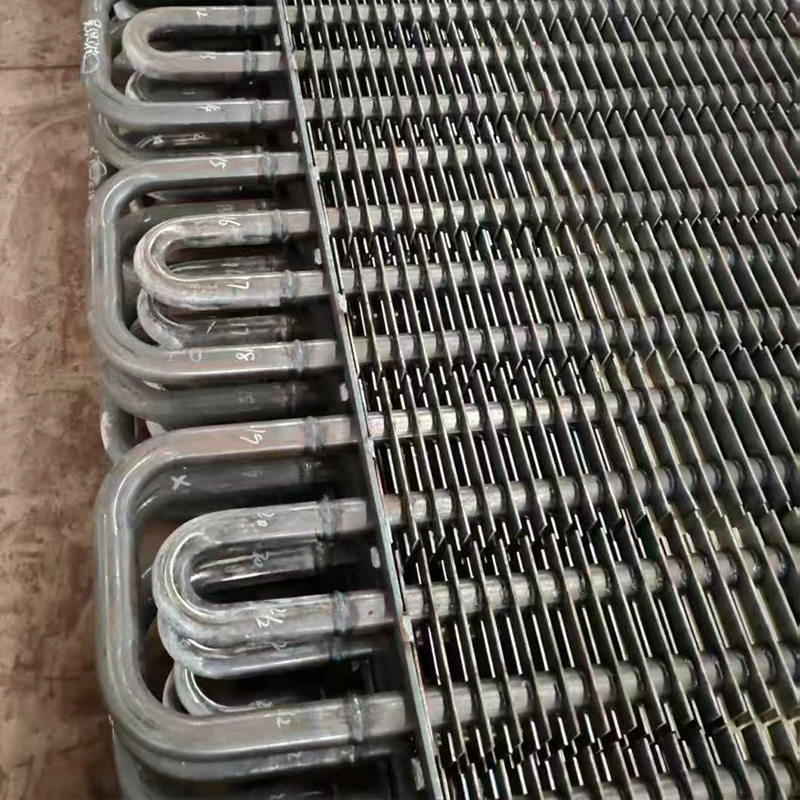
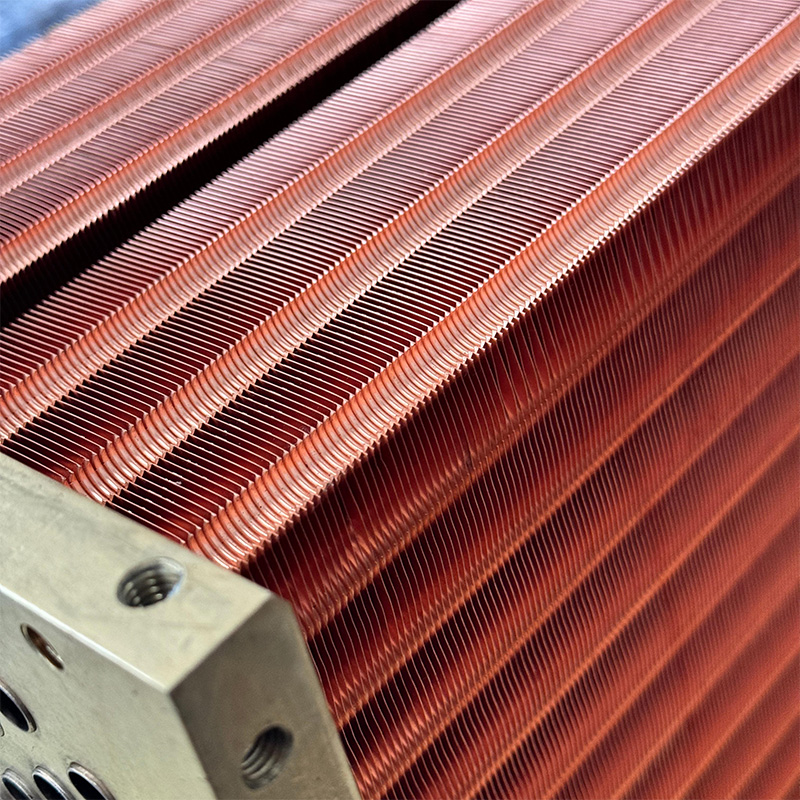
It is precisely working with such exotic materials that requires deep expertise in metallurgy and production. Our partner, companyWuxi Kaisheng Electric Power and Petrochemical Equipment Co., Ltd., specializes in the design and manufacture of complex equipment made from titanium, nickel alloys (N06625), marine brass and various grades of stainless steel. Their experience in creating high-pressure heat exchangers and components to ASME and PED standards directly translates to the valve industry: the same welding technologies, quality control and understanding of the behavior of metals at high temperatures and pressures ensure that the valve body will withstand the harshest conditions of petroleum refining and chemical synthesis.
Here is a table of compatibility of basic materials with common media, based on our operating experience:
| Housing material | Max. temperature (°C) | Acid resistance | Alkali resistance | Limitations |
|---|---|---|---|---|
| AISI 316L | 180 | Low (except nitrogen) | High | Not suitable for hydrochloric acid |
| Hastelloy C-276 | 400 | Extreme | High | High cost, difficult to process |
| Titanium Gr.2 | 300 | High (oxidizing agents) | Average | Risk of hydrogen embrittlement |
| PTFE (lining) | 200 | Universal | Universal | Afraid of temperature changes and vacuum |
| PVDF (lining) | 140 | High | High | Temperature limit |
When ordering, be sure to indicate not only the name of the substance, but also the presence of impurities. Even 0.5% chlorides in water can cause pitting corrosion of ordinary stainless steel in a matter of weeks. If you are in doubt about compatibility, ask the supplier for a chemical resistance certificate specifically for your temperature-concentration-material combination. Do not rely on general tables from the Internet - actual conditions in your production may differ from laboratory data.
Design features: diaphragm vs piston valves
When it comes to design,выбор донного клапана для химической промышленностиcomes down to a dilemma: membrane or piston type? This is not a matter of taste, but a matter of the physics of the process and the requirements for tightness. Diaphragm valves have historically been considered the standard for clean chemical processes because the diaphragm completely isolates the actuator from the process fluid. However, in our practice, we see a growing trend for the use of piston valves where previously only diaphragm valves were installed.
The main advantage of the membrane is the absence of gland seals, which can leak outward. But the membrane has an Achilles heel: the fatigue strength of rubber or fluoroplastic. With frequent opening/closing cycles (more than 50 times a day), the membrane loses its elasticity and cracks. We have recorded cases where, on batch reactor loading lines, membranes failed every 4–6 months, requiring a complete shutdown of the apparatus for replacement. Piston valves do not have this disadvantage: a metal piston with o-rings can withstand millions of cycles without losing its seal.
However, piston valves require ideal cleanliness of the environment. If there are solid particles or crystallizing sediment in the fluid, they can get into the gap between the piston and cylinder, causing seizure or scratches on the cylinder bore. The membrane valve is more forgiving in this regard: the elastic membrane simply flows around small particles. Therefore, for suspensions, slurries and media with a high solids content, we definitely recommend membrane designs with reinforced membrane support.
Another important aspect is the closing force. Diaphragm valves require significant air pressure to overcome the back pressure of the medium, especially on large diameters (DN100 and above). Due to the piston area, piston valves create greater force at the same air pressure, which allows them to reliably shut off high pressures (up to 16–25 bar) without the use of massive pneumatic cylinders. If your enterprise has a limited compressed air resource or low pressure in the pneumatic network, the piston option may be the only working solution.
Calculation of throughput and hydraulic resistance
Engineers often focus on sealing, forgetting that the foot valve is the first obstacle to flow. Erroneousвыбор донного клапана для химической промышленностиin terms of throughput (Kv) leads to the fact that the pump operates at extreme conditions, trying to push the medium through a narrow cross-section, or the time for emptying the reactor doubles. The standard formula for calculating Kv seems simple, but in reality everything is more complicated due to the specifics of the bottom nodes.
The problem is that many manufacturers quote Kv for a fully open valve under ideal laboratory conditions. In actual piping, the bottom valve is often installed immediately after the reactor flange, where the flow has not yet been stabilized. In addition, the shape of the valve seat has a critical effect on hydraulics. Flat seat valves create more turbulence and have a lower Kv compared to valves with a profiled seat or full bore design.
We recommend providing a capacity reserve of at least 20–30% above the calculated value. Why? Because over time, deposits (scale, polymers) can form on the internal surfaces of the valve, which will reduce the effective cross-section. It is also worth considering the viscosity of the medium. For liquids with a viscosity above 20 cSt, the standard Kv coefficients no longer work correctly and correction factors must be introduced. Ignoring viscosity is a common reason why a new valve will not perform as designed.
Pay attention to the direction of flow. Although foot valves typically operate to drain (flow under the plate), some recirculation designs may allow back pressure. Ensure that the valve design allows for bidirectional operation or strictly adheres to the flow direction markings. Installing the valve against the grain can lead to vibration of the disc and rapid destruction of the seal.
Drive types and automation: pneumatics vs electrics
Selecting a drive is a choice between speed, accuracy and safety. The chemical industry is dominated by pneumatics, and for good reason. Pneumatic drives are explosion-proof by nature (a spark will not occur even if broken), develop enormous force with low weight and provide high performance. For emergency pressure relief or emergency emptying of the reactor (Emergency Dump), the pneumatics are activated in a fraction of a second, while the electromechanical drive will spin the spindle for several minutes.
However, electric drives find their niche where precise positioning is required (for example dosing an additive into a reactor) or where a compressed air network is not available. Modern electric drives with variable frequency control allow the valve to open smoothly, avoiding water hammer, which can damage pipelines when a large volume of liquid is suddenly released. But remember: any electric drive in a hazardous area must have the appropriate Ex certificate (for example, Ex d IIC T4), which significantly increases the cost of the equipment.
The most important safety element is the return spring. For foot valves, determining the Fail-Safe position is critical. What is safer for your process: to have the valve close when air/electricity is lost (NC - Normally Closed) or open (NO - Normally Open)?
- NC (Normal Closed):Standard for most reactions. In the event of an accident, the supply is stopped, the medium remains in the reactor. A powerful spring is required, which increases the dimensions of the drive.
- NO (Normal Open):Used for cooling systems or emergency drainage. When the power is turned off, the reactor spontaneously empties. This is risky if the drain tank is not ready to receive a salvo discharge.
In our practice, there was a case when a power surge occurred at a polymer plant, and a group of bottom valves with incorrect Fail-Safe logic opened simultaneously. The reactors emptied into the general sewer, which was not intended for such a volume of hot mixture. The consequences were eliminated only after a week. Always check the drive's emergency operation logic before installation.
Certification and compliance with standards: GOST, EAC and international standards
The legality and safety of the equipment is confirmed by documents. When importing or purchasing domesticallyвыбор донного клапана для химической промышленностиmust be based on the availability of valid certificates. For the Russian and EAEU markets, a certificate of conformity with TR CU 032/2013 “On the safety of equipment operating under excess pressure” is mandatory. Without the EAC seal, operation of the valve in a hazardous manufacturing facility is prohibited by law and may result in fines or suspension of the facility.
If you work with export orders or in enterprises with foreign capital, additional certificates may be required: PED (for Europe), ASME (for USA), ATEX (for explosion protection). It is important to understand the difference: the EAC certificate confirms the safety of the design for the customs union, but does not guarantee that a specific batch of products is free from casting defects. Therefore, also require a quality certificate (Mill Certificate) for each batch of body parts, which indicates the results of chemical analysis and mechanical tests.
The experience of manufacturers operating in the global market is especially important here. CompanyWuxi Kaisheng LLC, as a supplier of components to the energy and petrochemical sectors, already has established certification processes to ASME and PED standards. Their products, including heat exchangers and tube sheets made from special alloys, are successfully used in desalination and shipbuilding projects around the world. By choosing a partner with such a background, you get confidence that the shut-off valves will comply with the most stringent international standards, and not just the minimum local requirements.
Pay special attention to seal standards. Materials like PTFE or Viton must have a food grade approval (if the product involves food chemicals) or a fire safety certificate. Documentation often contains GOST 15150 markings for climate control. For outdoor installation in Siberian conditions, the UHL1 version is required (operability down to -60 °C), otherwise the rubber drive elements will simply freeze and become brittle in winter.
Don’t blindly trust copy-pasted certificates. Check the document's validity period and distribution area. Often the supplier has a certificate for valves DN15–DN50, and they offer you DN100, which does not fall under this declaration. Such a formal error can become a problem during inspection by Rostekhnadzor.
Frequently Asked Questions
Which material is better to choose for hydrochloric acid?
Stainless steel is absolutely not suitable for hydrochloric acid (HCl) of any concentration and temperature. The only true solution is valves lined with PTFE (Teflon) or PFA, or solid valves made of tantalum (for particularly high temperatures). Plastic valves made of PVDF are only permissible for temperatures up to 60–80 °C. Our recommendation: use lined valves with liner integrity monitoring (electrical spark testing).
How often should the membrane in the bottom valve be changed?
The service life of the membrane depends on the number of cycles and temperature. When working in cold environments (< 40 °C) and at a moderate rate (up to 20 cycles per day), a quality PTFE/FPM membrane lasts 12–18 months. At high temperatures (>100 °C) or aggressive oxidizing agents, the service life drops to 3–6 months. We recommend keeping a cycle log and performing preventative replacement every 10,000 cycles without waiting for a rupture.
Is it possible to install the foot valve horizontally?
No, classic bottom valves are designed strictly for vertical installation under the bottom of the device. Horizontal installation will disrupt the self-cleaning mechanism (if equipped) and change the spring force characteristic due to the weight of the plate. In addition, in a horizontal position, sediment may accumulate in the valve body, which will lead to jamming. For horizontal pipelines, use conventional ball or diaphragm valves.
Practical checklist before placing an order
To minimize risks and avoid returning equipment, go through this list before submitting a request to the supplier. Each point is based on real implementation experience:
- Checking connection geometry:Make sure that the valve flange matches the flange of your reactor (DIN, GOST, ANSI standard). There is often a discrepancy in hole center distance or flange thickness. Request a drawing with dimensions before production begins.
- Specification of rod length:If there is insulation or a heating jacket between the bottom of the reactor and the actuator, the standard rod may be short. Measure the distance from the mounting plane to the top point of the drive with a margin of 20 mm.
- Roughness requirement:For pharmaceuticals and fine organic synthesis, the internal surface must be polished to Ra<0.4 µm. Conventional industrial grinding (Ra 1.6) is not acceptable, as bacteria will grow in the uneven areas or product will get stuck.
- Spare parts kit:Immediately order a set of repair kits (diaphragms, O-rings, seals) for 2 years of operation. Shipping a separate seal later may cost more than the valve itself due to logistics and downtime.
- Leak test:Request a factory test report for the tightness of the valve (class A according to GOST 9544 or ANSI FCI 70-2). A visual inspection is not enough.
Remember that a reliable foot valve is the result of careful engineering, not a random purchase. Инвестиция времени в правильныйвыбор донного клапана для химической промышленностиокупится годами бесперебойной работы. Не стесняйтесь запрашивать у производителя референс-лист с объектами, где аналогичные клапаны стоят более 3 лет. Если поставщик скрывает эту информацию — это красный флаг.
Готовы обсудить ваш проект? Наши инженеры совместно с экспертамиWuxi Kaisheng LLCготовы провести бесплатный аудит вашей технической спецификации. Мы предложим оптимальное решение, используя передовой опыт в работе с титановыми и никелевыми сплавами, учитывая все нюансы вашего производства.Contact us todayдля получения детального коммерческого предложения и консультации по подбору материалов.