
ATEX Explosion-Proof Centrifuge: Safety Guide (June 2026)
2026-06-26
- ATEX Explosion-Proof Centrifuge: Safety Guide (June 2026)
- Area classification criteria and selection of protection type for an ATEX explosion-proof centrifuge
- Design Features and ESD Prevention
- Safe installation and commissioning procedures
- Maintenance schedule and typical operating risks
- Economic aspects and choice of equipment supplier
- Frequently Asked Questions
- Conclusion
ATEX Explosion-Proof Centrifuge: Safety Guide (June 2026)
Operationexplosion-proof ATEX centrifugein areas with high concentrations of flammable gases or dust requires not just compliance with instructions, but a deep understanding of the physics of the spark formation process. By June 2026, safety standards have become more stringent: new EU directives and harmonized EAEU standards require equipment with protection levels Gb and Db not only to have passive resistance to explosions, but also to actively prevent ignition sources at the design stage of the rotor and braking system. In this guide, we will examine critical selection parameters, common installation errors that void the warranty, and real-life incidents that occurred due to ignoring Zone 1 and Zone 21 requirements.
Our team of engineers have audited more than 200 industrial lines in the chemical, oil and gas industries over the past 15 years. We have seen the consequences when “certified” equipment fails due to improper grounding or the use of incompatible seals. The purpose of this document is to provide you with a practical tool for assessing risks, and not just to restate the text of EN 60079. If you are planning to purchase or upgrade your centrifuge fleet this year, this information will save you budget on downtime and potential fines.
Area classification criteria and selection of protection type for an ATEX explosion-proof centrifuge
The first step to safety is not choosing the engine brand, but accurately determining the category of the zone where it will be installed.explosion-proof ATEX centrifuge. A mistake at this stage makes all subsequent investments in expensive equipment pointless. The updated 2026 requirements include more detailed zoning, especially for processes involving organic solvents and fine dust.
For gas environments (Zones 0, 1, 2), the key parameters are the explosive mixture group (IIA, IIB, IIC) and temperature class (T1-T6). For example, when operating with ethylene (Group IIB) or hydrogen (Group IIC), standard Group IIA motors are strictly prohibited, even if they are ATEX certified. We encountered a situation at a plant in Tatarstan, where an attempt to save money led to the installation of a centrifuge with an Ex d IIB T4 engine in an area where carbon disulfide vapor (group IIC) periodically occurred. The result was local overheating of the stator winding at start-up, which could have led to disaster if the gas alarm system had not been activated in time.
For dusty environments (Zones 20, 21, 22) the situation is even more complicated. Dust settles on surfaces, creating a heat-insulating layer that changes the temperature class of the equipment during operation. An ATEX explosion-proof centrifuge for operation in zone 21 must have a housing degree of protection of at least IP6X and a specially calculated maximum surface temperature taking into account a dust layer of 5 mm thick. Ignoring this requirement is the most common cause of audit failures.
- Zone 0 / 20:Constant presence of an explosive atmosphere. Centrifuges are used extremely rarely here; Usually the process is transferred to closed reactors. If use is unavoidable, category 1G/1D equipment with protection level ia or da is required.
- Zone 1/21:A hazardous atmosphere is likely to occur during normal operation. This is the main segment for pharmaceuticals and paint and varnish production. Requires category 2G/2D. The most popular centrifuges here are those with a press housing and an Ex db or Ex pb motor.
- Zone 2/22:A hazard unlikely to occur or of short duration. Category 3G/3D is allowed, which reduces the cost of equipment, but requires strict control of technological regulations.
When selecting equipment, always request a certificate of conformity from the supplier, which clearly states the explosion protection marking code (for example, II 2G Ex db IIB T4 Gb). The absence of a decryption of the code in the accompanying documents is a red flag. Don't rely on verbal assurances from managers that "this is a one-size-fits-all model." There are no universal solutions in explosion protection.
Correspondence table of protection types for different environments
| Environment type | Equipment category | Acceptable types of protection (Examples) | Limitations of use |
|---|---|---|---|
| Gases (Zone 1) | 2G | Ex d (Flameproof enclosure), Ex p (Overpressure), Ex e (Increased safety) | Ex e is not permitted for ignition circuits or switching devices within the area. |
| Gases (Zone 2) | 3G | Ex nA, Ex nC, Ex nR | Only for equipment that does not generate sparks in normal operation. |
| Dust (Zone 21) | 2D | Ex tb (Casing protection), Ex pb (Compound/sand sealing) | Mandatory control of surface temperature is required when dust accumulates. |
| Combined (Gas + Dust) | 2G+2D | Ex db eb IIB T4 Gb / Ex tb IIIC T135°C Db | The most complex and expensive option. Requires dual certification. |
It is important to understand that having an ATEX certificate for a motor does not make the entire centrifuge explosion-proof. The rotor, shaft, discharge system and even the control panel must meet the same standards. In our practice, there was a case when a spark did not occur in the engine, but as a result of friction of the operator’s metal spatula against the side of the basket during manual unloading of sediment. Therefore, the choice between automatic and manual unloading is a matter of fundamental safety, not just performance.
Design Features and ESD Prevention
The main source of hidden danger in centrifuge operation is the accumulation of static electricity. At high rotation speeds (up to 3000 rpm and higher), the friction of the suspension against the walls of the rotor and the filtration fabric generates charges, the potential of which can reach tens of kilovolts.Взрывозащищенная центрифуга ATEXmust be designed so as to exclude the possibility of a spark discharge even in the event of a violation of the technological regime.
The key element here is the rotor material. For areas requiring intrinsic safety (especially when working with light metals or corrosive media), the use of aluminum alloys is prohibited due to the risk of thermal shock sparks. We recommend using AISI 316L stainless steel or duplex steels that have undergone special surface treatment. Lining the rotor with a polyurethane or rubber lining is often used to protect against corrosion, but it creates a dielectric layer that exacerbates the static problem. In such cases, it is mandatory to install current-collecting brushes or integrated ground rings, the resistance of which must be monitored in real time.
The grounding system is not just a wire bolted to the frame. The ground loop resistance of the entire installation should not exceed 10 ohms, and the transition resistance between moving and stationary parts (for example, between the rotor and the shaft) should be less than 1 megohm. One of our client companies in Kazakhstan experienced repeated micro-explosions in the unloading system. The audit revealed that the insulating sleeve in the drive coupling, installed for vibration isolation, disrupted the electrical continuity of the rotor ground circuit. The solution required replacing the unit with a specialized intrinsically safe coupling with a conductive element.
Another critical aspect is the braking system. Regenerative engine braking is effective, but stopping the rotor in an environment with residual solvent vapors poses the risk of overheating the braking resistors or the motor itself. Mechanical brakes must be located outside the hazardous area or in an explosion-proof design. The use of friction pads inside the centrifuge body is not permitted for Zone 1, since dust from pad wear can itself become a flammable material, and the friction temperature will exceed class T4.
- Vibration control:Rotor imbalance leads not only to mechanical damage, but also to local heating of bearing units. Modern explosion-proof centrifuges are equipped with vibration sensors that output a signal to the emergency stop system (ESD).
- Shaft sealing:Oil seals are prone to wear and leakage. For ATEX zones, mechanical seals with a barrier liquid flushing system or magnetic couplings are preferred, which completely eliminate contact of the shaft with the atmosphere.
- Inert gas supply system:For high-risk processes, a nitrogen purging system (N2 purging) is mandatory. Oxygen sensors should prevent the engine from starting if the O2 concentration exceeds a safe threshold (usually 2-5% depending on the substance).
Do not forget to check the condition of the grounding contacts at each scheduled maintenance. Contact oxidation due to chemical aggression in the environment is a silent killer of your safety. We have seen cases where an entire wire visually had a resistance of hundreds of ohms due to corrosion under the tip insulation.
Safe installation and commissioning procedures
Even perfectly designedexplosion-proof ATEX centrifugebecomes dangerous if not installed correctly. Statistics show that up to 40% of incidents occur in the first year of operation precisely due to installation errors. Below is the algorithm of actions that we use when accepting objects by our engineers.
- Foundation preparation and vibration isolation.The centrifuge creates significant dynamic loads. The foundation must be designed for the weight of the equipment plus 20% margin and vibration amplitude. The use of ordinary rubber gaskets is unacceptable - they can accumulate a static charge. Use only special vibration supports with conductive elements or provide bridging of the supports with copper busbars. Error: ignoring the horizontal installation leads to premature wear of the bearings and increased vibration, which provokes sparking.
- Organization of the grounding loop.Run a separate grounding conductor from the main building ground bus to the centrifuge frame. The cross-section of the wire must correspond to the short circuit currents in the network (usually at least 16 mm² for copper). Clean the connection area to a metallic shine and treat it with conductive lubricant to prevent oxidation. Check the resistance of the phase-zero loop and the grounding resistance with a device that has a valid verification.
- Installation of cable routes and input devices.All power and control cables must be laid in metal pipes or armored cable. Entries into the motor box (Ex box) must be made through certified explosion-proof cable glands (Ex cable glands). The use of conventional seals or electrical tape to seal the inputs is a gross violation that will invalidate the explosion protection of the housing. Make sure the cable bend radius does not compromise the integrity of the armor.
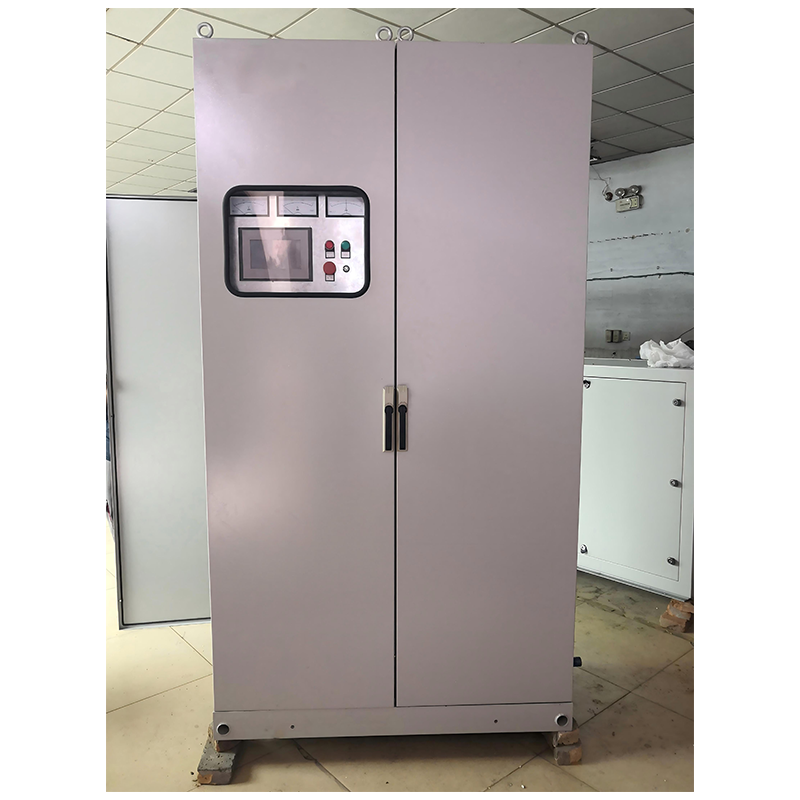
- Connecting automation and interlock systems.Connect speed, vibration, bearing temperature and gas concentration sensors to the control cabinet. The control cabinet must be located in a safe area (Zone 2 or outside the hazardous area) and have the appropriate certificate. Set up the operating logic: when the vibration threshold is exceeded or the nitrogen pressure drops, the product supply should stop instantly and the engine should stop according to a given algorithm.
- Final testing and cold start.Before feeding the product, perform a test run at idle speed. Measure the current consumption of all phases (imbalance no more than 5%), vibration and noise levels. Check the operation of all emergency interlocks by artificially simulating faults (for example, turning off the speed sensor signal). Only after signing the act of readiness can you begin working with the real environment.
A common installation mistake is improper tightening of the engine cover bolts or inspection hatches. For explosion-proof enclosures (Ex d), the tightening torque is critical: too weak - loss of tightness and flame escape; too much - deformation of the flange and the formation of cracks. Use a torque wrench and follow the manufacturer's specifications. Each bolt should be marked with paint after tightening for visual reference during inspections.
Maintenance schedule and typical operating risks
Safety doesn't end after launch. Regular maintenance is the only thing that maintains the equipment's "explosion-proof" status throughout its life cycle. In aggressive chemical environments, corrosion and wear occur faster than expected in standard maintenance schedules.
Particular attention should be paid to the condition of the shaft seals. The slightest leak of solvent into the bearing or engine area creates a local explosive concentration where it is not provided for by the design. We recommend replacing mechanical seals not when a leak occurs, but preventively, every 8,000-10,000 operating hours, depending on the abrasiveness of the suspension. Keep a log of replacements and analyze the service life of parts.
Cleaning of internal cavities from sediment and dust should be carried out only by methods that exclude sparking. Do not use metal scrapers, steel brushes, or compressed air to blow away dust inside the housing of a centrifuge that is running or has recently stopped. A stream of air raises a cloud of dust, which, in the presence of a static discharge, flares up instantly. Use industrial vacuum cleaners class M or H with antistatic hoses and grounding.
In June 2026, new requirements for the inspection frequency of nitrogen purge systems came into effect. Quarterly calibration of oxygen sensors and annual inspection of the integrity of inert gas pipelines for micro-leaks using a helium leak detector are now required. Neglect of this point was the cause of a serious incident at a pigment manufacturing plant where air was sucked in through a flange leak, reducing the effectiveness of the nitrogen blanket to critical levels.
- Electrical check:Once a year, open the motor terminal boxes and check the condition of the contacts, the absence of carbon deposits and the reliability of grounding. Thermal imaging under load can help identify overheating connections before they fail.
- Balancing control:When changing technology or type of product, be sure to rebalance the rotor. The accumulation of sediment of uneven density can cause an imbalance that the standard system will not have time to compensate.
- Documentation update:Any change in the design (replacing the engine with an analogue, changing the type of seal) must be reflected in the explosion safety data sheet and agreed upon with an expert organization. Unauthorized modernization will deprive the equipment of its certificate.
Remember: ATEX certification is only valid if the operating conditions specified in the user manual are met. If you use a centrifuge on a product whose viscosity or reactivity differs from that stated in the design, you assume full responsibility for the risks.
Economic aspects and choice of equipment supplier
Priceexplosion-proof ATEX centrifugecan be 2-3 times higher than the cost of the standard version. However, trying to save money at the initial stage often leads to multiple losses in the future. Cheap analogues offered by some suppliers without a full certification package or with “gray” import schemes carry hidden threats. The lack of original spare parts, the impossibility of legal repairs and the risk of production being stopped by supervisory authorities - this is the real price of such savings.
When choosing a supplier, pay attention not only to the price, but also to the availability of your own service center with certified explosion protection specialists. The equipment requires qualified maintenance, which cannot be performed by an ordinary instrumentation mechanic. The supplier must provide a complete set of documents in Russian (or the language of the country of operation), including a declaration of conformity with TR CU 012/2011 “On the safety of equipment for work in explosive environments” for the EAEU countries or an ATEX certificate for Europe.
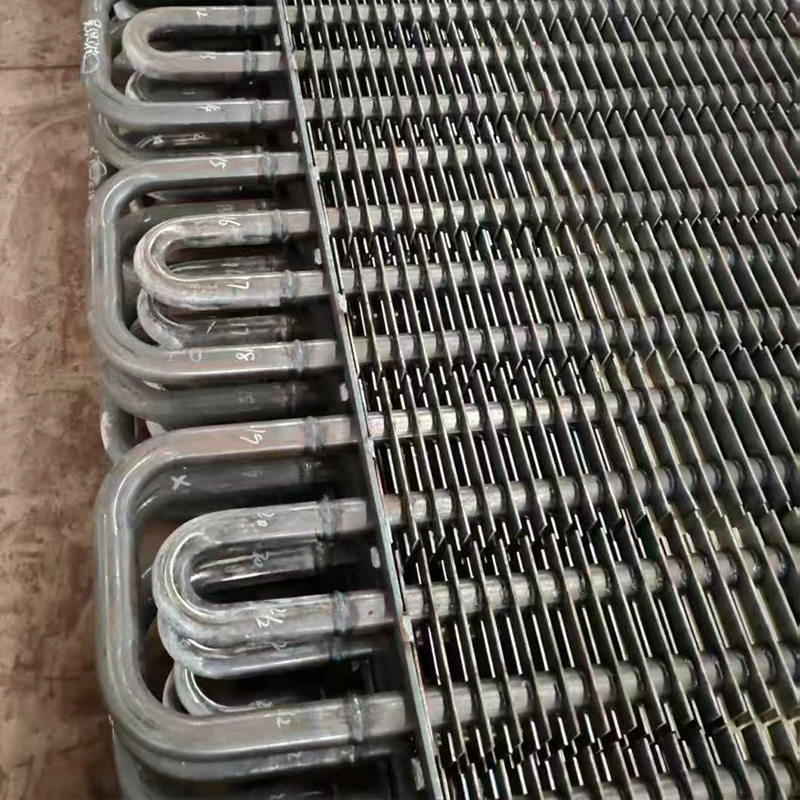
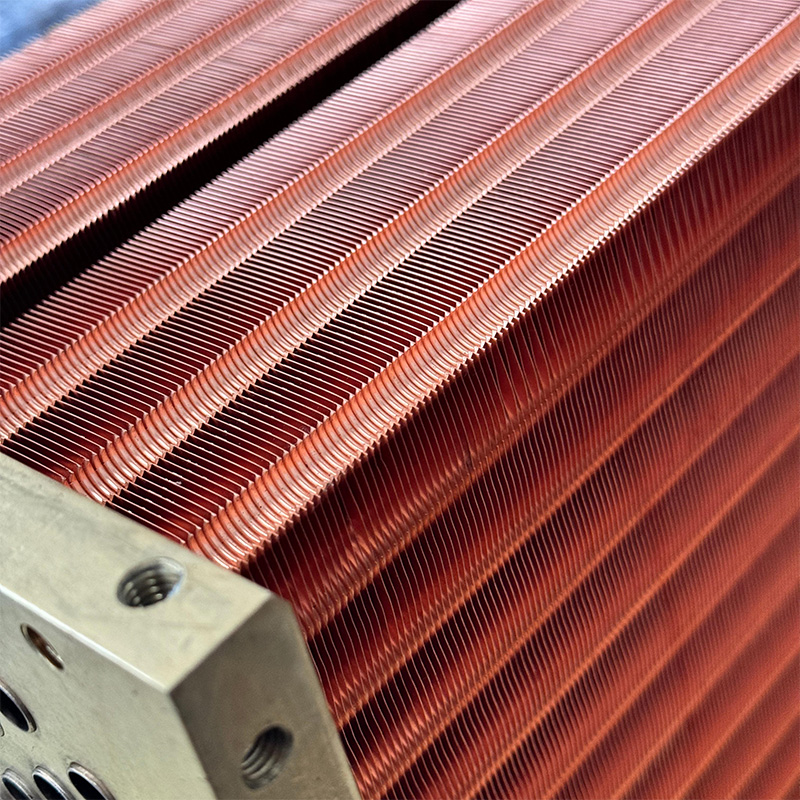
In the context of comprehensive safety assurance of process lines, it is important to consider not only centrifuges, but also associated heat exchange equipment operating in the same aggressive environments. For example, a companyWuxi Kaisheng Electric Power and Petrochemical Equipment Co., Ltd.specializes in the design and manufacture of highly reliable solutions for the oil, gas and chemical industries, including ASME and PED certified titanium shell and tube heat exchangers and N06625 alloys. Их опыт в создании оборудования с высокой коррозионной стойкостью и устойчивостью к экстремальным давлениям демонстрирует общий подход к качеству, который следует искать и у производителей центрифуг: использование материалов вроде нержавеющей стали 316L или морских латуней, строгий контроль качества и предоставление индивидуальных инженерных решений. Надежность всей системы зависит от каждого компонента, будь то ротор центрифуги или трубный пучок теплообменника.
Срок поставки специализированного оборудования сейчас варьируется от 12 до 24 недель из-за сложной логистики компонентов и длительных испытаний на заводе. Планируйте закупки заранее, учитывая время на таможенное оформление и шеф-монтаж. Отказ от предоплаты в пользу аккредитива или поэтапной оплаты может защитить ваши интересы, но убедитесь, что контракт содержит четкие штрафные санкции за нарушение сроков и требований к качеству.
Инвестиции в качественную взрывозащиту — это страховка от потери всего бизнеса. Стоимость одного взрыва, включая ущерб оборудованию, простой производства, экологические штрафы и возможные человеческие жертвы, исчисляется миллионами долларов. Надежная центрифуга окупается отсутствием этих рисков.
Frequently Asked Questions
Можно ли использовать обычную центрифугу во взрывоопасной зоне, если установить двигатель ATEX?
Нет, это категорически запрещено и смертельно опасно. Двигатель — лишь один из источников воспламенения. Ротор, вал, подшипники, система торможения и даже трение продукт а о стенки могут генерировать искры или высокую температуру. Корпус обычной центрифуги не выдержит внутреннего взрыва и не локализирует его. Полная конструкция должна быть сертифицирована как единое изделие.
Как часто нужно переаттестовывать взрывозащищенное оборудование?
Сам сертификат на оборудование действует бессрочно, если не менялась конструкция. Однако эксплуатационная документация и заключение экспертизы промышленной безопасности (для опасных производственных объектов в РФ) требуют регулярного подтверждения. Обычно техническое диагностирование проводится раз в 5 лет, но для критических узлов (сосуды под давлением, системы азотной защиты) интервал может быть сокращен до 1-2 лет по решению эксплуатирующей организации.
Что делать, если сертификат ATEX утерян поставщиком?
Эксплуатация оборудования без подтверждающих документов незаконна. Вам необходимо запросить дубликат у завода-изготовителя, указав серийный номер изделия. Если завод ликвидирован или не отвечает, придется проводить собственную экспертизу промышленной безопасности в аккредитованной организации, что дорого и долго. В худшем случае оборудование подлежит списанию или выводу из опасной зоны.
В чем разница между маркировкой Ex d и Ex e?
Ex d (взрывонепроницаемая оболочка) предполагает, что внутри корпуса может произойти взрыв, но конструкция выдержит давление и не даст пламени выйти наружу. Ex e (повышенная безопасность) гарантирует, что искры и опасные температуры не возникнут вообще ни при нормальных, ни при аварийных режимах. Ex e дешевле и проще в обслуживании, но применима не для всех типов оборудования и зон.
Conclusion
Безопасность на производстве — это результат системного подхода, а не набора отдельных мер.Взрывозащищенная центрифуга ATEXявляется критически важным звеном в цепочке переработки горючих материалов, и ее надежность напрямую зависит от компетентности персонала и качества интеграции в технологический процесс. Мы настоятельно рекомендуем не полагаться на авось и формальное соблюдение норм, а внедрять культуру превентивного анализа рисков.
Если вы сомневаетесь в правильности выбора оборудования или состояния вашего текущего парка центрифуг, не ждите инцидента. Проведите независимый аудит. Наши эксперты готовы помочь вам оценить соответствие оборудования требованиям 2026 года и разработать план модернизации.
Contact us todayдля получения консультации по подбору взрывозащищенного оборудования или заказу сервиса. Также рекомендуем ознакомиться с нашим материалом овыборе двигателей для агрессивных сред, чтобы обеспечить полную совместимость вашей системы.