
GOST seamless pipes: compliance with Russian quality standards
2026-07-13
content
- Why GOST seamless pipes are the only reliable choice for critical systems
- Technical requirements and classification according to GOST: what is hidden behind the numbers
- Critical risks during procurement: how to avoid counterfeit and defects
- Comparative analysis: Domestic GOST versus imported analogues
- Incoming inspection and acceptance procedure: step-by-step algorithm
- Применение в различных отраслях: от нефти до машиностроения
- Роль специализированных решений в обеспечении надежности систем
- Frequently Asked Questions
- Conclusion and recommendations for choosing a supplier
Why GOST seamless pipes are the only reliable choice for critical systems
In our practice of working with industrial facilities from the Arctic to southern oil refineries, we have repeatedly encountered a situation where an attempt to save on the purchase of pipes led to catastrophic consequences. GOST seamless pipes are not just a marking in a specification, it is a guarantee that the pipeline will withstand the design pressure and temperature without depressurization. Unlike welded analogues, where the seam is a zone of potential weakening, the monolithic structure of seamless rolled products ensures uniform stress distribution along the entire perimeter of the product. If you are planning the construction of a gas pipeline or the installation of high-pressure boiler equipment, compliance with Russian quality standards (GOST) becomes a matter of not only economic efficiency, but also industrial safety.
Many buyers make the mistake of relying solely on supplier certifications without checking the actual chemical and mechanical properties of the metal. We have seen cases when batches of pipes that formally corresponded to the declared steel grades, upon independent examination, showed a critical deviation in the content of sulfur and phosphorus, which made the metal brittle at low temperatures. That is why understanding the deep requirements of GOST 8732, GOST 8734 and related standards allows us to weed out unscrupulous manufacturers even at the stage of forming technical specifications. In this article we will analyze not only the theoretical aspects of standardization, but also real cases from our engineering practice, where compliance with or ignoring these standards led to specific financial results.
Technical requirements and classification according to GOST: what is hidden behind the numbers
GOST standards for seamless pipes represent a complex system of interconnected parameters, where each change in the chemical composition of steel affects the permissible operating conditions. The main documents regulating the production of hot-deformed and cold-deformed pipes are GOST 8732-78 and GOST 8734-75, respectively. However, blindly following the standard number without understanding its editions and the associated technical conditions (TS) often leads to the purchase of illiquid goods. For example, a pipe produced according to an outdated version of the standard may not have the necessary tests for impact bending at subzero temperatures, which is critical for the northern version.
The key parameter that we always pay attention to as design engineers is strength and manufacturing accuracy. According to GOST 8732, pipes are divided into groups according to their yield strength and tensile strength. For critical components, such as steam pipelines of thermal power plants or oil wells, the use of pipes of a low strength group is unacceptable, even if their geometric dimensions perfectly match the design. We conducted a comparative analysis of pipe batches from different factories and found that the spread of actual mechanical characteristics within one steel grade can reach 15% if the manufacturer does not comply with heat treatment technology.
Particular attention should be paid to surface and imperfection requirements. Standards clearly regulate the permissible depth of defects, but in practice many suppliers try to pass off pipes with surface cracks or ripples as a premium product. In one of our projects, replacing a batch of pipes with microcracks on the surface required stopping installation work for two weeks and carrying out 100% ultrasonic testing, which increased the project budget by 22%. Therefore, when accepting seamless pipes, GOST requires not only a visual inspection, but also the use of non-destructive testing methods, such as eddy current or ultrasonic flaw detection analysis.
The chemical composition of steel is the foundation of reliability. Steel grades 20, 45, 09G2S, 12Kh1MF and others have strictly defined ranges for the content of alloying elements. A carbon deviation of even 0.02% can change the weldability of the material, making the installation process a nightmare for welders. We strongly recommend requiring spectral analysis protocols from the supplier for each metal melt. This is not bureaucracy, but a necessary precaution that will save you from future accidents. If a supplier refuses to provide such data or offers an “average” certificate for a batch, this is a red flag signaling high risks.
Geometric accuracy also plays a critical role, especially when automated welding or high-pressure fittings are used. Ovality and variation in wall thickness of pipes exceeding GOST tolerances lead to the formation of gaps in joints that cannot be properly welded without additional mechanical processing. In our practice, there was a case when the use of pipes with increased ovality led to the fact that 30% of the joints did not pass radiographic inspection the first time, requiring cutting and rewelding. This is a direct loss of time and materials that could have been avoided by tightly controlling the input geometry parameter.
Differences between hot-formed and cold-formed pipes
The choice between hot-formed (HD) and cold-formed (CD) pipes is often controversial among designers, but the decision should be dictated by operating conditions, not price. Hot-deformed pipes produced in accordance with GOST 8732 have better impact strength and better withstand dynamic loads, which makes them indispensable for main pipelines and structures subject to vibration. The hot rolling process evens out the grain structure of the metal, eliminating internal stresses that arose during the casting of the workpiece.
Cold-deformed pipes (GOST 8734), on the contrary, are distinguished by high dimensional accuracy and quality of the internal surface. They are ideal for hydraulic systems, instrumentation and high-pressure boilers where tightness and the absence of roughness that creates flow turbulence are important. However, cold deformation hardens the metal, increasing its hardness but reducing its ductility. This means that HD pipes are more sensitive to stress raisers and require special care when bending and welding. An incorrect choice of the type of deformation can lead to destruction of the unit at the bend after just a few months of operation.
Critical risks during procurement: how to avoid counterfeit and defects
The rolled metal market in Russia and the CIS countries is saturated with offers that at first glance look attractive, but are fraught with serious threats. The main problem is the substitution of concepts: pipes produced according to technical specifications (TU) are often passed off as products that comply with GOST. The difference between these documents is colossal. GOST is a state standard with strict, unchanging requirements that have undergone many years of testing. Specifications are developed by the manufacturer itself and may contain relaxed requirements for the chemical composition, geometry tolerances or control methods.
We were faced with a situation where a large construction contractor purchased a batch of pipes for a boiler room, marked as GOST, but actually produced according to “soft” specifications. As a result, during hydraulic tests under a working pressure of 16 MPa, three pops occurred at the weld seams. The investigation showed that the manufacturer deliberately underestimated the manganese and silicon content in the steel in order to reduce the cost of the smelting process, which led to a decrease in hardenability and heterogeneity of the metal structure. Losses from facility downtime and pipe replacement exceeded the initial savings by 4 times.
Another common risk is misgrading and mixing steel grades. In the warehouses of unprofessional suppliers, pipes of different grades can be stored side by side, and during shipment it is easy to confuse steel 20 with steel 09G2S or 12Kh1MF. To the untrained eye they look the same, but their operating temperatures and corrosion resistance are radically different. Using ordinary carbon steel instead of heat-resistant alloy steel in a steam pipeline with temperatures above 450°C will result in metal creep and pipe rupture within a short time. We always advise our customers to carry out random spectral analysis directly in the warehouse before shipment, using portable spectrometers.
The problem of “gray” import schemes is also relevant. Pipes of unknown origin, often imported without proper customs clearance and certification, may lack heat traceability. The absence of a quality certificate linked to a specific heat number makes such products unsuitable for use at facilities controlled by Rostechnadzor. In the event of an accident, it will be almost impossible to prove the supplier’s guilt, since the documentary chain is broken. A reliable supplier always provides a full set of accompanying documentation, including a copy of the certificate of conformity, a quality certificate from the manufacturer and an incoming inspection report.
Don’t forget about the human factor during acceptance. Often defects are detected already at the installation stage, when the pipe cannot be joined correctly or it cracks during bending. To avoid this, we recommend including a clause in the contract stating the buyer's right to a production inspection (PSI) prior to shipment. Our specialists visit partner plants, check melting logs, observe the hydrotesting process and select samples for an independent laboratory. This simple procedure eliminates up to 90% of potential problems before the product leaves the manufacturer's premises.
Comparative analysis: Domestic GOST versus imported analogues
In the context of the current geopolitical situation and sanctions, the issue of choosing between Russian-made pipes according to GOST and imported analogues (DIN, ASTM, API) is especially acute. Many customers are accustomed to trusting European or American standards, considering them the standard of quality. However, actual engineering practice shows that modern Russian GOST seamless pipes are in no way inferior, and in some cases superior to imported analogues, especially in adaptation to the climatic conditions of Russia.
Below is a detailed comparison table of key parameters based on our experience in supplying and operating pipes in various industries:
| Comparison parameter | Seamless pipes GOST (RF) | Imported pipes (DIN/ASTM/API) | Expert commentary |
|---|---|---|---|
| Climate adaptation | High. Steel type 09G2S is specially designed to work down to -70°C. | Average. Modifications require clarification (for example, LT for low temperatures). | Russian steels are initially alloyed with harsh winters in mind, while European analogues are often oriented towards temperate climates. |
| Availability and timing | High. Warehouse programs of large distributors allow shipment in 1-3 days. | Low. Logistics chains are broken, delivery times range from 3 to 6 months. | For urgent repairs and ongoing construction, imports have become practically unavailable or economically unfeasible. |
| Certification | EAC (TR TS 032/2013). Full compliance with Rostechnadzor requirements. | Confirmation of conformity is required (TR CU CERTIFICATE), which complicates the acceptance procedure. | The use of pipes without EAC marking at hazardous production facilities is prohibited by law. |
| Price | Stable, transparent, without currency risks. | High volatility, dependence on exchange rates and logistics tariffs. | The cost of imported pipes, taking into account logistics and customs duties, can exceed the GOST price by 2-2.5 times. |
| Geometry and quality | Complies with GOST. Modern factories use premium calibers. | High quality, but may vary in size when converting inches to millimeters. | Conversion of ASTM/DN size ranges to GOST often leads to errors in the selection of fittings. |
One of the main advantages of Russian pipes is their full compatibility with domestic shut-off valves and fittings. Imported pipes often have non-standard tolerances on the outer diameter, which creates problems when welding with Russian bends and flanges. We have recorded cases where a discrepancy between the diameter of a DIN pipe and a GOST flange led to the need to use adapter rings, which was an additional source of potential depressurization.
In addition, Russian metallurgical plants have undergone serious modernization in recent years. The introduction of aggregate-type furnaces, after-furnace processing units and modern TPU mills made it possible to bring the quality of seamless pipes to the level of world leaders. The chemical purity of the metal produced in electric furnaces with evacuation guarantees the absence of harmful impurities that could be characteristic of products of the Soviet period. Therefore, the stereotype that “imported is always better” does not work in the seamless pipes segment today.
Incoming inspection and acceptance procedure: step-by-step algorithm
To ensure that the purchased seamless pipes truly comply with GOST and are safe for use, it is necessary to implement a strict incoming inspection procedure. Skipping this step is tantamount to playing Russian roulette with industrial safety. Below is an algorithm of actions that we recommend to use at all our facilities.
- Checking accompanying documentation.First of all, ask the supplier for the original Certificate of Quality. Pay attention to the presence of the heat number, release date, signature of the plant quality control department and laboratory stamp. Check the mechanical properties indicated in the passport (yield strength, tensile strength, relative elongation) with the requirements of your project and the corresponding GOST.Important:Photocopies without a seal or documents sent only in electronic form without the possibility of checking the original should not be accepted for work.
- Visual inspection and geometry measurement.Inspect each pipe in the batch for visible defects: cracks, sunsets, cavities, corrosion. Use a caliper and thickness gauge to check the diameter and wall thickness at four points around the pipe end. Tolerances for ovality and thickness variations must not exceed the values specified in GOST 8732 or 8734.Common mistake:Thickness measurement at only one point. The pipe wall may be uneven due to mandrel wear on the mill, so the minimum thickness value is critical for pressure calculation.
- Marking and identification.Check for a stamp on the end or a tag on the bag. The marking must contain the manufacturer's trademark, steel grade, heat number, pipe size and quality control stamp. The absence of marking or its discrepancy with the data in the quality certificate is grounds for complete rejection of the batch. We never accept pipes “without a name”, since in the event of a complaint there will be no one to file a claim.
- Laboratory tests (selective).For critical facilities, be sure to obtain samples from an independent laboratory. Conduct spectral analysis to confirm chemical composition and mechanical tensile and flattening tests. The flattening test is especially revealing: it reveals hidden defects in the metal structure that are not visible to the eye. If the pipe cracks before the standard value when flattened, the entire batch must be returned.
- Hydraulic tests (if necessary).If the project involves operation under high pressure, carry out control hydraulic tests of pipe samples. The test pressure is calculated using the formula given in GOST and depends on the diameter, wall thickness and permissible stress in the metal. The seal must be maintained for a period of time sufficient to inspect the entire surface of the pipe.
Compliance with this algorithm takes time, but it is not comparable with the time it will take to eliminate the accident. Our company has a rule: “No passport - no acceptance.” Это железное правило сэкономило нам миллионы рублей и предотвратило множество потенциально опасных ситуаций. Не позволяйте менеджерам по продажам убеждать вас в том, что “документы будут позже” или “это та же самая труба, просто бумага потерялась”. В промышленности бумага (документ) первична, металл вторичен без подтверждения его свойств.
Применение в различных отраслях: от нефти до машиностроения
Универсальность бесшовных труб ГОСТ позволяет использовать их в самых разных сферах деятельности, однако требования к качеству в каждой из них имеют свою специфику. Понимание этих нюансов помогает правильно подобрать марку стали и тип исполнения трубы.
Нефтегазовая отрасль.Здесь бесшовные трубы используются для обустройства скважин (обсадные и насосно-компрессорные трубы), а также для транспортировки нефти и газа. Главные враги здесь — высокое давление, агрессивная среда (сероводород, углекислый газ) и низкие температуры. Для этих целей применяются трубы из сталей с повышенной коррозионной стойкостью и хладостойкостью. Например, трубы для северных месторождений должны сохранять ударную вязкость при температурах до -60°C. Мы поставляли партии труб для проектов в Ямало-Ненецком округе, где каждая труба проходила дополнительные испытания на стойкость к сульфидному коррозионному растрескиванию под напряжением (SSCC).
Энергетика и котлостроение.В котлах тепловых электростанций и промышленных установках трубы работают в экстремальных условиях: высокие температуры (до 600°C и выше) и постоянное давление. Малейшее нарушение режима термообработки или отклонение в химическом составе может привести к распуханию трубы и ее разрыву. Для этих целей используются жаропрочные легированные стали (12Х1МФ, 15Х1М1Ф и др.). Требования к чистоте поверхности здесь максимальны, так как любые загрязнения могут стать очагом локального перегрева. Наш опыт показывает, что использование труб не той марки стали в пароперегревателе сокращает ресурс узла в 5-10 раз .
Машиностроение и гидроцилиндры.В производстве гидроцилиндров, подшипников и деталей машин используются холоднодеформированные бесшовные трубы высокой точности. Здесь критически важны параметры внутренней поверхности (шероховатость) и геометрическая точность наружного диаметра. Трубы подвергаются дополнительной обработке (хонингование, шлифовка), но исходное качество заготовки определяет выход годной продукции. Применение труб с низким качеством поверхности ведет к быстрому износу уплотнений и утечкам рабочей жидкости. Мы сотрудничаем с производителями спецтехники, которые перешли на российские трубы ГОСТ после того, как импортные аналоги стали недоступны, и не заметили никакой потери в качестве конечного изделия.
Строительство и металлоконструкции.Хотя для строительных каркасов чаще используют сварные трубы, для ответственных узлов, работающих на динамические нагрузки (крановые пути, фермы мостов), предпочтительнее бесшовный прокат. Его высокая несущая способность и надежность позволяют уменьшить металлоемкость конструкции без потери прочности. В сейсмоопасных районах использование бесшовных труб ГОСТ является обязательным требованием для обеспечения живучести зданий при землетрясениях.
Роль специализированных решений в обеспечении надежности систем
Выбор качественных труб — это лишь первый шаг к созданию надежной инженерной системы. Критически важным элементом, завершающим эту цепочку, является правильное подбор и интеграция сопутствующего оборудования, такого как теплообменники, котлы-утилизаторы и трубные пучки. Именно здесь на передний план выходят компании, способные предложить комплексный подход к решению задач нефтегазовой и энергетической отраслей.
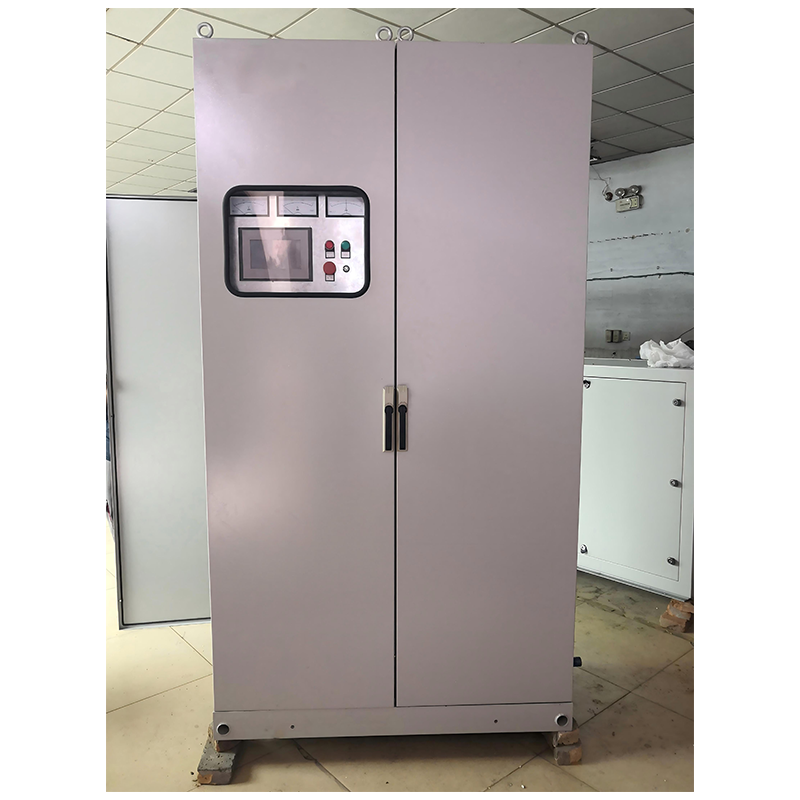
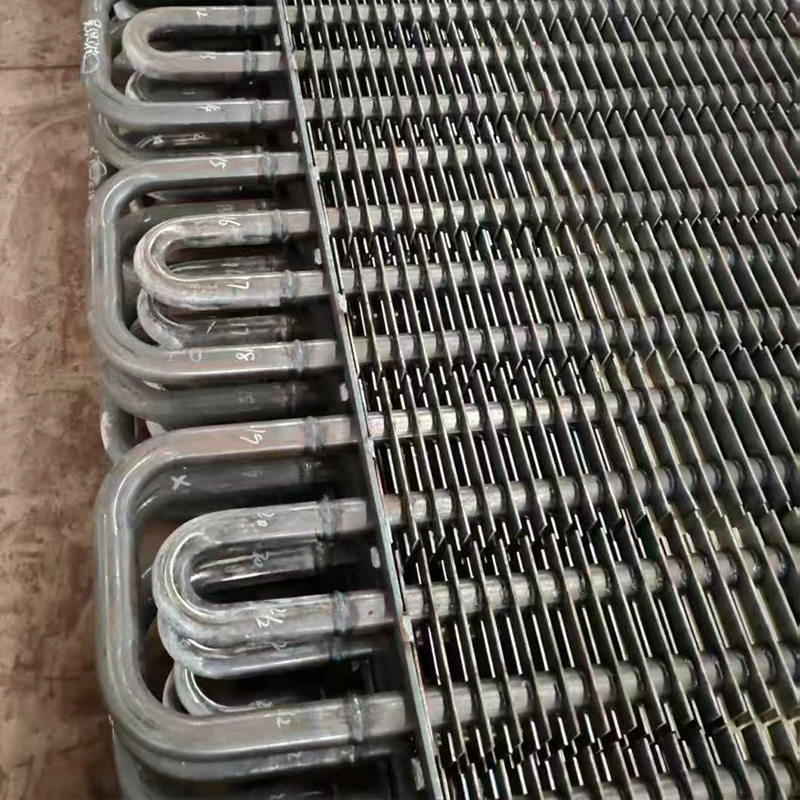
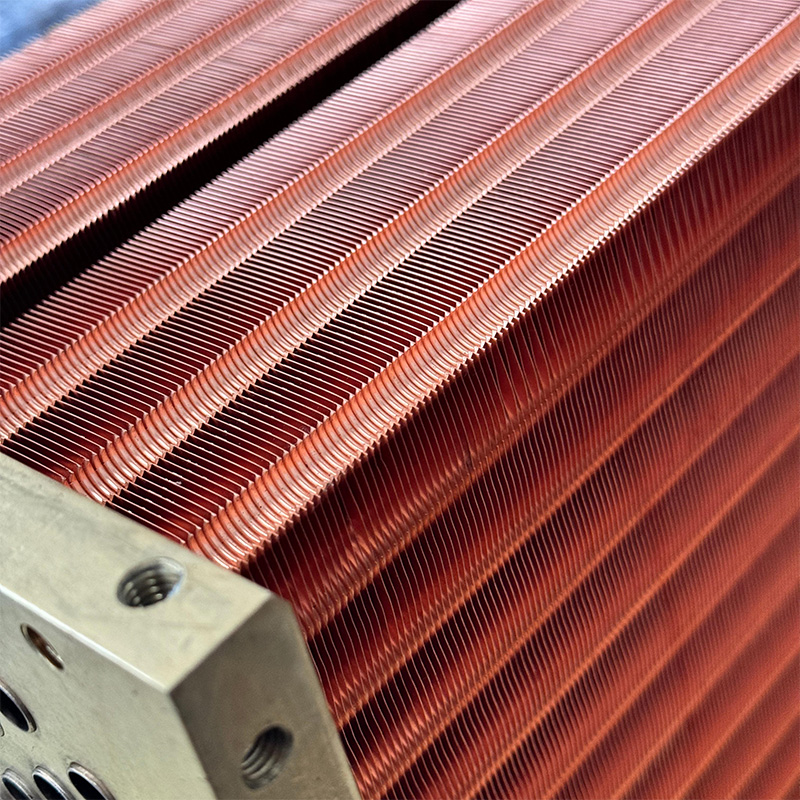
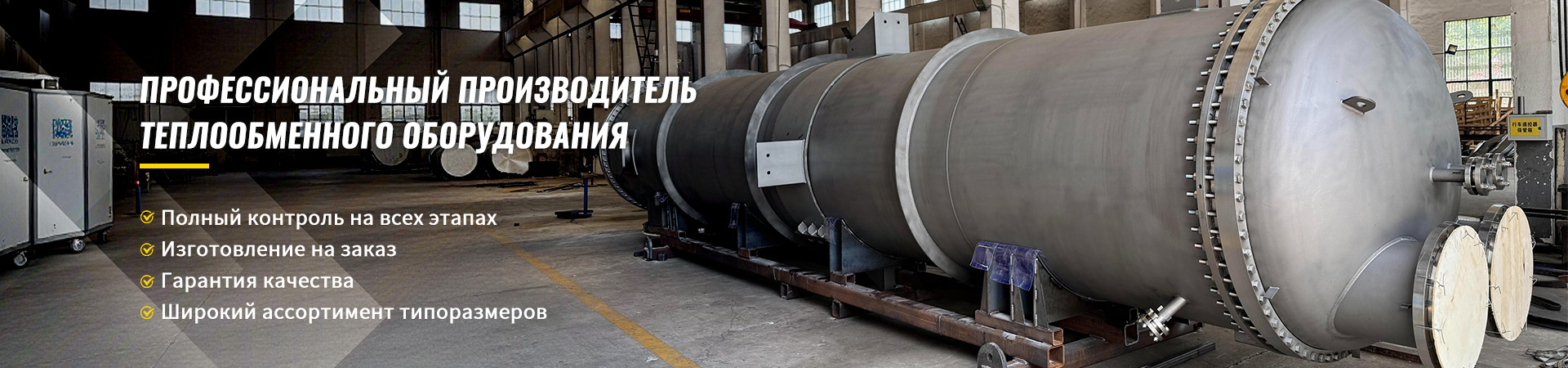
A striking example of this approach is the companyWuxi Kaisheng Electric Power and Petrochemical Equipment Co., Ltd.. Специализируясь на разработке, производстве и реализации высокотехнологичного оборудования, организация успешно сочетает в своей продукции строгие требования международных стандартов (ASME, PED) с необходимостью адаптации к сложным эксплуатационным условиям. Основной портфель компании включает титановые кожухотрубные теплообменники, высоконапорные теплообменники ASME, а также гофрированные трубные пучки из нержавеющей стали 316, морской латуни C46400, медно-никелевых сплавов и никелевых сплавов N06625.
Особое внимание в производстве уделяется материалам, способным выдерживать экстремальные нагрузки. Изделия ООО «Уси Кайшэн» изготавливаются из углеродистой, нержавеющей и легированной стали, титана, меди и никелевых сплавов, что обеспечивает высокую коррозионную стойкость и теплоэффективность даже в агрессивных средах, таких как морская вода или химические реагенты. Продукция компании широко применяется в нефтепереработке, нефтехимии, судостроении и системах опреснения воды, где надежность каждого компонента, от трубной решетки из стали 321 до воздушного охладителя, напрямую влияет на безопасность всего процесса.
Интеграция таких решений в проекты, где используются бесшовные трубы ГОСТ, позволяет создать единую, сбалансированную систему. Например, при строительстве установки крекинга или энергоблока, соответствие труб и теплообменного оборудования единым ам качества исключает риски разгерметизации на стыках различных материалов. Компания предоставляет индивидуальные решения для заказчиков по всему миру, гарантируя стабильность работы оборудования в долгосрочной перспективе, что полностью перекликается с нашей философией: безопасность и качество не терпят компромиссов.
Frequently Asked Questions
Как отличить качественную бесшовную трубу ГОСТ от подделки?
Первый признак — наличие четкой, несмываемой маркировки с номером плавки и знаком производителя. Второй — идеальный срез без заусенцев и правильная геометрия. Третий и самый главный — наличие оригинального паспорта качества с печатью лаборатории. Подделки часто имеют размытую маркировку, ржавчину внутри трубы и предоставляют только ксерокопии сертификатов. Мы рекомендуем всегда проводить спектральный анализ первой трубы из партии — это единственный способ получить 100% гарантию соответствия химического состава.
Можно ли использовать трубы ГОСТ для замены импортных труб DIN или ASTM?
Да, в большинстве случаев это возможно, но требуется грамотная конвертация стандартов. Необходимо подобрать российский аналог марки стали, близкий по механическим свойствам и химическому составу. Например, немецкой стали St35.8 соответствует российская сталь 20, а стали 16Mo3 — сталь 16М. Однако важно проверить совпадение размерных рядов, так как дюймовые размеры импортных труб могут не совпадать с миллиметровыми ГОСТ. Наши инженеры бесплатно помогают клиентам подобрать полные аналоги для замены импортных позиций в спецификациях.
Какой минимальный объем заказа (MOQ) для бесшовных труб?
Минимальный заказ зависит от типа трубы и наличия ее на складе. Для популярных размеров и марок сталей (например, труба 57х3.5 ст.20) мы можем отгрузить от одной трубы или небольшого пакета (около 50-100 кг). Для редких типоразмеров или специфических марок сталей (жаропрочные, нержавеющие) минимальная партия может составлять одну тонну или вес одного производственного заказа завода. Мы стараемся поддерживать широкий складской запас, чтобы удовлетворить потребности как крупных строек, так и мелких ремонтных бригад.
Сколько времени занимает доставка труб по России?
При наличии товара на нашем складе в Москве или региональных хабах отгрузка осуществляется в течение 24 часов после оплаты. Доставка транспортными компаниями до терминала в крупном городе занимает от 2 до 5 дней в зависимости от расстояния. Если требуется резка в размер или дополнительная обработка, срок увеличивается на 1-2 рабочих дня. Для заказов под производство (отсутствие на складе) срок изготовления составляет от 2 до 4 недель, что оговаривается индивидуально в договоре.
Conclusion and recommendations for choosing a supplier
Выбор бесшовных труб ГОСТ — это инвестиция в долговечность и безопасность вашего предприятия. Экономия на качестве металла сегодня неизбежно обернется многомиллионными убытками завтра. Рынок предлагает множество вариантов, но лишь единицы поставщиков способны гарантировать полное соответствие стандартам и предоставить прозрачную историю происхождения металла. Мы гордимся тем, что за годы работы заработали репутацию надежного партнера, который не просто продает трубы, а предоставляет инженерную поддержку на всех этапах: от подбора марки стали до сопровождения монтажа.
Наша компания осуществляет прямые поставки с ведущих металлургических комбинатов России, что исключает посреднические наценки и гарантирует подлинность продукции. Мы обладаем собственным складом с современным оборудованием для хранения и обработки труб, что позволяет нам соблюдать строгие условия сохранения качества металла. Каждый клиент получает индивидуальный подход: будь то разовая покупка нескольких труб для ремонта или комплексное снабжение крупного строительного проекта, включающее взаимодействие со специалистами по теплообменному оборудованию для создания целостных технологических линий.
Не рискуйте безопасностью своих объектов. Доверьте снабжение профессионалам, которые знают о трубах все. Свяжитесь с нами сегодня для получения консультации, расчета стоимости и подбора оптимального решения для ваших задач. Наши менеджеры готовы ответить на любые технические вопросы и подготовить коммерческое предложение в течение одного рабочего часа. Помните: правильная труба — это залог бесперебойной работы вашего бизнеса.
Для получения подробной информации о наличии, ценах и условиях доставки перейдите в разделкаталог бесшовных труб ГОСТили оставьте заявку на обратный звонок. Мы ценим ваше доверие и готовы подтвердить его качеством нашей продукции и сервиса.