
Safety of operation of safety valves
2026-07-16
- Why the safety of safety valves determines the service life of all equipment
- Critical risks if installation and configuration rules are violated
- Technical parameters affecting system reliability
- Algorithm for maintenance and periodic inspection
- Comparative analysis of construction types for different tasks
- Compliance with international standards and certification
- Frequently Asked Questions
- Conclusion and recommendations for choosing a supplier
Why the safety of safety valves determines the service life of all equipment
In our practice of working with industrial enterprises in the CIS, we have repeatedly encountered a situation where the failure of one safety valve led to the shutdown of an entire production line for a period of 3 to 14 days.Безопасность эксплуатации предохранительных клапанов- this is not just a point in the technical supervision regulations, but a fundamental parameter that directly affects the financial stability of the plant and the lives of the staff. Rostekhnadzor statistics for the last quarter show that more than 60% of emergency situations in pressure systems are not related to design defects of the equipment itself, but to errors in installation, configuration or untimely maintenance.
Many engineers mistakenly believe that installing a certified product will guarantee protection. The reality is harsh: even a valve of the highest quality class, installed in violation of the angle of inclination or without taking into account the pulsation of the medium, turns into a time bomb. In this article, we will analyze real failure cases, describe in detail the verification algorithms and give specific recommendations for choosing valves based on operating experience in Russian winter conditions and aggressive chemical environments.
Critical risks if installation and configuration rules are violated
One of our clients, a large petrochemical plant in Tatarstan, experienced catastrophic destruction of a heat exchanger. The reason was trivial: the installers installed the safety valve horizontally, although the product passport required a strictly vertical position of the rod. The liquid accumulated in the body, caused corrosion of the seat, and at the moment of the pressure surge the valve simply did not open. The result is the loss of equipment worth 45 million rubles and a three-month downtime of the workshop. This case clearly demonstrates thatsafe operation of safety valvesbegins long before the first opening of the plate.
The most common mistake is to ignore the back pressure in the relief line. When the medium is released into the common line, where there is already pressure, a standard spring valve may not operate at the right time or may begin to “pop” (open and close cyclically). We recorded cases when the frequency of such cycles reached 2-3 Hz, which led to fatigue failure of the spring in a matter of hours. For such conditions, the only correct solution is to use pilot valves or models with bellows compensator, which neutralize the effect of back pressure.
Another hidden enemy is pipeline vibration. If the valve is installed directly on a pump or compressor without a damping insert, constant shaking causes spontaneous leakage. This not only leads to loss of product, but also erosion of the sealing surfaces. After six months of such operation, the tightness is completely lost, and the valve requires replacement, although the service life of its spring has not yet been exhausted. We recommend that you always carry out a vibration analysis of the installation point before final fastening of the fittings.
The use of plugs or temporary coverings on discharge lines “during repairs” is prohibited. In our practice, there was a case when the crew shut off the discharge to replace the pressure gauge and forgot to open it after completing the work. During the next technological surge, the pressure exceeded the calculated one by 1.5 times, since the release path was physically blocked. Fortunately, the second stage of protection worked, but the risk of human casualties was enormous. There is only one rule: any shut-off valve before and after the safety valve must be sealed in the open position.
Checklist for initial acceptance and installation
- Certificate verification:Make sure that the product passport complies with the requirements of TR CU 032/2013 “On the safety of equipment operating under excess pressure.” The absence of the EAC marking on the case is grounds for immediate return to the supplier.
- Flow direction control:The arrow on the body must strictly coincide with the direction of movement of the medium. A 180 degree error will render the device useless.
- Flange tightening:Use a torque wrench. Over-tightening the bolts leads to deformation of the housing and jamming of the spindle, while under-tightening leads to a violation of the tightness.
- No load on the pipes:The pipeline must not transmit mechanical forces to the valve body. Use compensating elements during installation.
Technical parameters affecting system reliability
When selecting equipment, engineers often focus only on diameter (DN) and set pressure (Pn), missing critical nuances.Безопасность эксплуатации предохранительных клапановdirectly depends on the flow coefficient (Kdr) and the type of working medium. For example, compressible gases (steam, air, natural gas) and incompressible liquids (water, oil, chemicals) require completely different tray profiles. Using a liquid valve on a steam line will result in a “water hammer” effect when opening and rapid failure of the seals.
The temperature regime also dictates strict restrictions. Standard PTFE seals operate up to 200°C. If your environment is 250°C, graphite packings or metal seals must be used. We have seen cases where, at a temperature of 220°C, a soft seal began to “float”, deforming under the pressure of the spring. The valve would no longer hold pressure closed, creating a constant leak. Always check the seal material chart against the actual temperature peaks of your process, not just the nominal values.
The housing material plays a decisive role in corrosion resistance. For neutral environments, carbon steel (20, 25) is suitable, but for acidic environments or sea water, stainless steel (12Х18Н10Т, 316L) or special alloys are required. Saving on housing material often leads to through corrosion within 1-2 years of operation. Particularly dangerous is hidden damage from intergranular corrosion, which is not visually noticeable until the case suddenly ruptures under pressure.
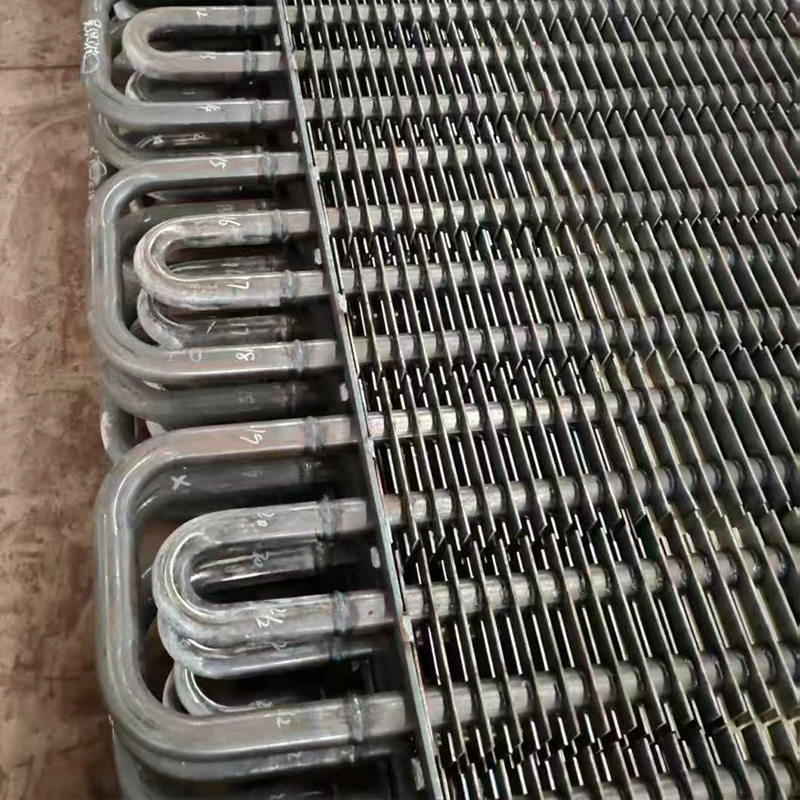
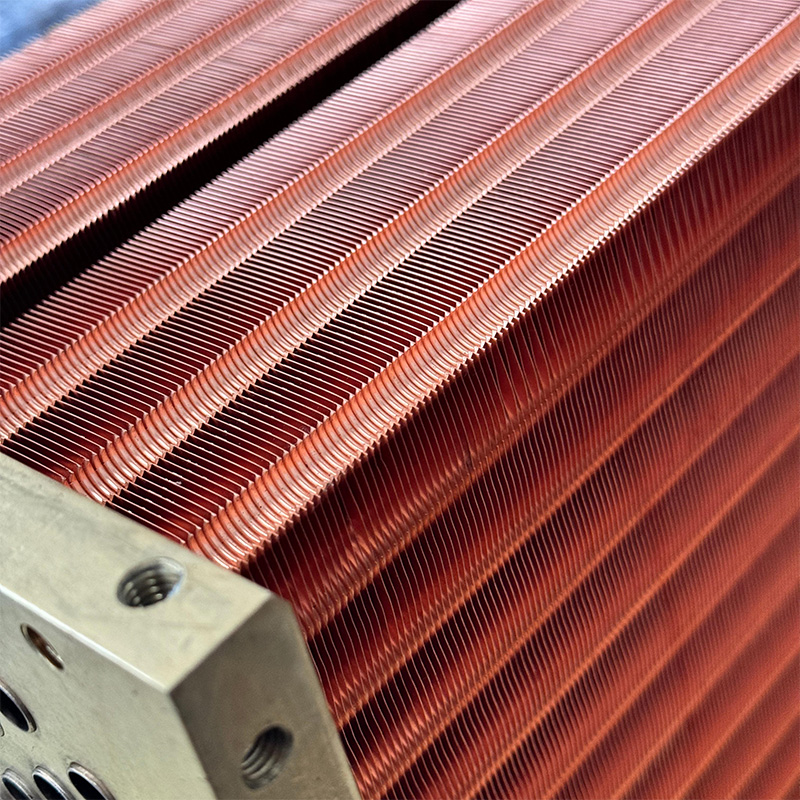
This is where the experience of manufacturers who specialize in working with complex environments comes into play. For example, a companyWuxi Kaisheng Electric Power and Petrochemical Equipment Co., Ltd.has developed unique expertise in the creation of components from titanium, marine brasses (C46400), copper-nickel alloys (C70600) and high-alloy nickel alloys (N06625). Their products, including tube sheets and heat transfer bundles, are certified to ASME and PED standards, confirming the materials' ability to withstand extreme pressures and temperatures in the harsh environments of oil refining and desalination. This approach to the selection of materials is also critical for safety valve bodies: the use of alloys with proven corrosion resistance prevents sudden failures associated with metal degradation.
The most important parameter is the spring setting range. Never select a valve where the required set pressure is at the limit of the spring adjustment range. It is optimal that the operating value is in the middle third of the range. This ensures stable performance and a power reserve to compensate for spring shrinkage over time. If the response pressure is close to the minimum or maximum of the range, the response accuracy drops by 10-15%, which is unacceptable for critical components.
Algorithm for maintenance and periodic inspection
Routine maintenance is the only way to ensure that the valve will operate in an emergency. According to the recommendations of manufacturers and industrial safety standards, a visual inspection must be carried out at least once per shift by the operator, and a full technical inspection must be carried out by a specialized organization in accordance with the PPR (scheduled preventive maintenance) schedule.
- External inspection and checking of seals.Inspect the housing for signs of corrosion, media leaks or mechanical damage. Check the integrity of the control seals on the adjusting screw and shut-off valves. If the seal is broken or the adjusting screw is displaced relative to the factory mark, operation is prohibited until verification is carried out.Common mistake:personnel tries to independently tighten the spring when underpressure is detected, violating the calibration.
- Checking the seal tightness.At an operating pressure of 90% of the opening pressure, only minimal priming is allowed (for gases - no more than a certain volume of bubbles per minute, for liquids - no visible drops). If the leakage exceeds the norm, it is necessary to remove the valve to grind the seats or replace the seals. You can use abrasive pastes for lapping only if there are deep scratches; in other cases, the method of grinding on paint or fine-grained diamond pastes is used.
- Forced opening (mobility test).For valves equipped with a positive opening lever, it is necessary to lift the poppet briefly by hand at a pressure of at least 75% of the set pressure. This allows you to make sure that the rod is not soured and the plate moves freely.Attention:This operation is prohibited on valves operating with toxic or explosive media without special vent collection devices.
- Dismantling and bench testing.Once a year (or more often if the process requires it), the valve must be dismantled and checked on a test bench. Full opening pressure, closing pressure and tightness are checked. Closing pressure should be at least 80% of set pressure for most valve types. If the difference is too large, the operating environment will be lost and the system will become unstable.
- Preservation and storage of spare parts.Removed valves intended for reuse after repair must be preserved with lubricant and packaged. Springs cannot be stored in a compressed state - this leads to loss of elastic properties. Only store them loose or with minimal preload.
After each stage of maintenance, the results are recorded in the equipment passport and instrumentation logbook. Lack of records equates to lack of service from regulatory inspectors.
Comparative analysis of construction types for different tasks
The choice between direct action and pilot control is often a design stumbling block. To ensure maximumsafe operation of safety valves, it is necessary to clearly understand the limits of applicability of each type. Below is a comparative table based on our experience of implementation at energy and petrochemical facilities.
| Comparison criterion | Direct Acting Valves (Spring) | Pilot Valves (Controlled) |
|---|---|---|
| Operation accuracy | Accuracy ±3-5%. Depends on the friction force and inertia of the moving parts. | Accuracy ±1%. The actuation pressure is determined by the pilot, who is not influenced by the frictional forces of the main spool. |
| Effect of back pressure | High. Requires a bellows or special design to operate under high back pressure. | Low. The design allows you to compensate for back pressure up to 50% or more of the set pressure without loss of characteristics. |
| Dimensions and weight | Compact, lightweight. Easier to transport and install on small diameters. | Large, heavy. They require more space for installation and tying with impulse lines. |
| Applicability for viscous media | Limited. Viscous media can clog the pulse channels or cause the plate to stick. | High. The ability to purge impulse lines and the special design of the pilot allow you to work with fuel oil and resins. |
| Cost of ownership | Lower initial cost, but higher costs for frequent replacement under severe conditions. | The initial cost is higher, but the reliability and overhaul interval in complex systems are much higher. |
| Recommended area | Compressor stations, low-power boilers, low-pressure tanks. | Main gas pipelines, process columns of refineries, power units of thermal power plants and nuclear power plants. |
The table shows that for simple systems with clean media and low back pressure, spring valves remain the gold standard due to their simplicity and reliability. However, as soon as it comes to high pressures (over 10 MPa), large diameters (DN200 and above) or aggressive media, pilot systems become the only choice for ensuring safety.
Compliance with international standards and certification
Working on the Russian market requires strict compliance with national legislation, but export ambitions or work at the facilities of international companies dictate the need for knowledge of global standards. The main document in the Russian Federation and the EAEU countries is the Technical Regulations of the Customs Union TR CU 032/2013. It is harmonized with the European directives PED (Pressure Equipment Directive) 2014/68/EU, which allows the equipment to be used in both territories with proper documentation.
When purchasing imported equipment, pay attention to the presence of an EAC certificate. Without this sign, customs clearance is impossible and operation is illegal. For the American market, the key standard is ASME Section VIII Div. 1 and API Std 520/521. Valves with the “UV” (ASME) mark have their own characteristics for calculating capacity, which differ from GOST methods. When replacing an American valve with a Russian analogue (or vice versa), you cannot simply change “inches to millimeters” - the throughput capacity must be recalculated using the appropriate methodology.
We recommend requesting from the supplier not only a certificate of conformity, but also type test reports. They must indicate actual flow coefficients obtained in an accredited laboratory. Often the values stated in catalogs are theoretical maximums that are unattainable in practice. The difference between theoretical and actual throughput can reach 20%, which is critical for emergency discharge calculations.
It is also worth mentioning the ISO 4126 standard, which is the basis for most national standards. Knowledge of ISO requirements helps to competently draw up technical specifications for the purchase, eliminating ambiguous interpretations of the requirements for materials and control methods.
Frequently Asked Questions
How often should the spring in a safety valve be replaced?
The service life of the spring is not strictly regulated in time, but depends on the number of actuation cycles and operating conditions. In stationary conditions, where the valve operates in standby mode (does not operate for years), the spring can last up to 10 years, subject to an annual check for permanent deformation. However, if the valve has been activated more than 5 times in a short period of time, we strongly recommend replacing the spring immediately as the metal may have suffered fatigue microcracks. In our practice, there was a case when the spring burst on the 6th cycle after a series of water hammers.
Can one valve be used to protect several devices?
No, this is a direct violation of safety rules. Each vessel or apparatus operating under pressure must have an individual safety valve (or group of valves) installed directly on it or on the nearest section of the pipeline without shut-off valves between them. Installing one valve on a group of tanks creates the risk that in the event of an accident in one device, the hydraulic resistance of the pipeline will not allow the pressure to be released quickly enough, which will lead to the destruction of neighboring tanks.
What to do if the valve starts leaking at operating pressure?
The first action is to reduce the pressure in the system below the opening pressure (usually by 10-15%). Trying to compress the spring “on the fly” is strictly prohibited, as this will change the response pressure and may lead to the valve not opening in a real accident. It is necessary to take the equipment out for repairs, dismantle the valve and troubleshoot the sealing surfaces. Most often, the reason lies in the entry of a solid particle between the seat and the plate or in thermal deformation of the parts.
What is the difference between setting pressure and operating pressure?
Operating pressure is the pressure at which the equipment operates normally. Set (set) pressure is the pressure at which the valve begins to open. По правилам, давление настройки должно быть выше рабочего давления минимум на 10% (для несжимаемых сред) или на определенную величину, указанную в проекте, но не превышать максимально допустимое рабочее давление (МДРД) сосуда. Эксплуатация системы, где рабочее давление составляет 95-98% от давления срабатывания, недопустима, так как это ведет к постоянному подтравливанию и износу.
Conclusion and recommendations for choosing a supplier
Обеспечение надежности промышленных систем — это комплексная задача, где мелочей не существует.Безопасность эксплуатации предохранительных клапановзависит от синергии трех факторов: грамотного инженерного расчета, качественного изготовления арматуры и дисциплинированного обслуживания. Игнорирование любого из этих звеньев неизбежно ведет к авариям, финансовым потерям и репутационным рискам.
Мы рекомендуем не экономить на классе исполнения клапанов для ответственных узлов. Дешевая арматура без сертификатов и входного контроля часто становится причиной самых серьезных инцидентов. Выбирайте поставщиков, которые предоставляют не просто “железо”, а полный инженерный сопроводительный пакет: расчеты пропускной способности, паспорта на русском языке, чертежи узлов и готовность провести шеф-монтаж. Надежность конечной системы часто определяется качеством комплектующих и материалов, используемых в сопряженном оборудовании — будь то теплообменники из титана или высоконапорные узлы из специальных сплавов, соответствующие строгим международным стандартам.
Если вы столкнулись с необходимостью модернизации системы безопасности или за мены парка предохранительной арматуры, важно подойти к вопросу системно. Наши специалисты готовы провести аудит вашей текущей схемы защиты и предложить решения, соответствующие самым строгим требованиям ТР ТС и международных стандартов. Помните, что цена надежного клапана несопоставима со стоимостью одной минуты простоя современного производства.
Для получения консультации по подбору оборудования, расчета пропускной способности или организации сервисного обслуживанияcontact us today. Мы обеспечиваем полный цикл поддержки: от анализа технической документации до поставки сертифицированных решений под ключ.
Read also our materials on the topic:Руководство по выбору предохранительных клапановandОбзор стандартов давления в 2026 году.