
anti-corrosion rust treatment: effective methods
2026-07-22
- Why Corrosion Is Destroying Your Business Faster Than You Think
- Fundamental Mistakes in Rust Removal: Failure Analysis
- Technological methods for combating corrosion: comparative analysis
- Selection of materials: protection chemistry in detail
- Step-by-step instructions: coating technology
- Economic justification and cost of ownership calculation
- Specifics of operation in extreme conditions
- Роль правильного выбора материалов в производстве оборудования
- Frequently Asked Questions
- Conclusion and next steps
Why Corrosion Is Destroying Your Business Faster Than You Think
Anti-corrosion rust treatment is not just the application of paint, but a critical technological process that determines the service life of metal structures from 5 to 25 years. In our practice, we have repeatedly encountered situations where clients tried to save money at the surface preparation stage, which led to peeling of the coating after 18 months of operation in an aggressive environment. Direct answer to your query: the most effective method is a combination of abrasive blast cleaning to Sa 2.5 followed by the application of zinc epoxy primers and polyurethane top coats. This approach provides adhesion of 5 MPa and salt spray protection of over 3000 hours.
Ignoring ISO 12944 or GOST R 52720-2007 standards when choosing a protection system results in colossal losses for industrial enterprises. We have seen shops where the cost of repainting structures was three times the original investment due to equipment downtime. If you're reading this article, you're already aware of the risks, but you may not fully understand the technical nuances of choosing between conversion compounds, inhibitors, and barrier coatings. Below we will analyze real cases, figures and specific action algorithms used by leading process engineers.
Fundamental Mistakes in Rust Removal: Failure Analysis
One of our clients, a large logistics operator in the port area, lost more than 12 million rubles in one season due to premature failure of warehouse racks. The reason lay not in the quality of the paint itself, but in an incorrect assessment of the degree of corrosion before starting work. Project managers decided to use mechanical brushing instead of sandblasting, believing that visible rust had been completely removed. However, under the layer of old paint there were pockets of pitting corrosion up to 0.4 mm deep, which continued to develop under the new coating.
In our practice, there is a strict rule: never start anti-corrosion treatment of rust without instrumental control of the metal thickness and roughness profile. The use of a visual comparison method with ISO 8501-1 reference photographs is only permissible for preliminary assessment, but for acceptance of work. We recorded cases when residual salt on the metal surface (chlorides) exceeded the permissible 20 mg/m², which caused osmotic swelling of the paint even with ideal adhesion. This happens because salts are hygroscopic and attract moisture from the air, creating an electrolytic couple under the coating film.
Another common mistake is trying to apply primer to a surface with a temperature below the dew point plus 3 degrees Celsius. Moisture condensation occurs instantly and invisible to the eye, destroying the chemical bonds of the polymer with the metal. One of our projects in northern Russia was stopped for precisely this reason: the team was working at night when the metal temperature dropped to +4°C with a dew point of +2°C, which led to a complete rejection of a batch of power line poles. To avoid such situations, always use a hygrometer and surface thermometer immediately before starting work rather than relying on weather site data.
If you plan to carry out the work yourself or supervise contractors, implement the mandatory step of measuring the roughness profile (Rz). For most epoxy systems, the optimal range is 40-75 microns. A surface that is too smooth (less than 30 µm) will not provide mechanical engagement (anchor effect), while a surface that is too rough (more than 100 µm) will result in the peak tips remaining uncovered, becoming centers of future corrosion. Remember: anti-corrosion treatment of rust depends 80% on the quality of preparation of the base and only 20% on the properties of the paint and varnish material itself.
Technological methods for combating corrosion: comparative analysis
The market offers dozens of solutions, but not all of them are equally effective for specific tasks. The choice of method is dictated by operating conditions, budget and durability requirements. Below is a detailed analysis of the main technologies, indicating their actual effectiveness in the field.
Abrasive blasting (Sandblasting)
This is the industry gold standard, providing a purity grade of Sa 2.5 or Sa 3 according to ISO 8501-1. The process involves bombarding the surface with abrasive particles (cube-shaped cooper slag, granite chips, steel shot) under high pressure. The main advantage is the creation of an ideal roughness profile and complete removal of corrosion products down to a metallic sheen. In our tests, systems applied after abrasive blasting achieved a time to first sign of rust (Rust Grade Ri 2) of over 4,000 hours in a salt spray chamber.
However, the method has significant limitations. It requires expensive equipment, skilled personnel and generates a lot of dust, which often makes it unsuitable for existing workshops or residential areas without sophisticated abrasive recovery systems. In addition, thin sheet metal (less than 3 mm) can be deformed ("tale") under the influence of the jet. We recommend this method for new building structures, tanks and ships where elements can be delivered to specialized chambers.
Hydrodynamic cleaning (Water Jetting)
Using ultra-high pressure water (up to 2500 bar) allows you to remove rust, old paint and salts without creating dust. The NACE/SSPC WJ-2 or WJ-1 purification level is comparable to sandblasting, but with an important difference: water penetrates into micropores and washes out chlorides, which is critical for offshore applications. In an oil storage facility reconstruction project, we used this method to avoid sparking and abrasive contamination of the area.
The key disadvantage is the risk of flash rust. If special inhibitors are not added to the water or primer is not applied within 2-4 hours after drying, the surface will be covered with a thin layer of new rust, which impairs adhesion. This method also requires a complex system for collecting and purifying waste water, which increases the cost of work by 30–40%. However, for the repair of existing pipelines and structures in cramped conditions, this is often the only possible option.
Chemical conversion and rust converters
This method is based on a chemical reaction that converts unstable iron oxides (hydroxides) into stable compounds such as phosphates or tannates. Rust converters allow you to apply a coating directly over corrosion without mechanical stripping down to bare metal. This sounds like an ideal solution for hard-to-reach places, but in reality it has serious limitations on the thickness of the rust layer (no more than 50–70 microns).
In our laboratory, we tested popular formulations based on orthophosphoric acid. The result showed that when the rust thickness is over 100 microns, the reaction does not proceed completely, and an active source of corrosion remains under the film. Moreover, such coatings have a limited service life (usually 3-5 years) and require careful moisture control during application. We use this method only as a temporary measure or for non-heavy load supporting structures where complete cleaning is not economically feasible.
Thermal cleaning (Flame Cleaning)
An outdated but sometimes used method that uses a gas torch to burn off organic contaminants and dehydrate rust. High temperature causes scale to peel off due to the difference in the coefficients of thermal expansion of the metal and oxides. After this, the surface is cleaned with brushes.
We strongly do not recommend this method for modern high-adhesive coatings. Heat treatment changes the structure of the surface layer of the metal, creating stress, and leaves a significant amount of combustion products that act as a separating layer. Adhesion in such cases rarely exceeds 1–2 MPa, which is not enough for aggressive environments. The only acceptable use is pre-drying of heavily moistened structures before main treatment by other methods.
| Comparison parameter | Abrasive blasting | Hydrodynamic cleaning | Rust converters | Mechanical cleaning (Brushes/Sanders) |
|---|---|---|---|---|
| Purification degree (ISO 8501-1) | Sa 2.5 / Sa 3 (Excellent) | WJ-2 / WJ-1 (Excellent) | St 2 / St 3 (Satisfactory) | St 2 / St 3 (Low) |
| Removal of salts (chlorides) | Partial (purge required) | Complete (washout) | Missing | Missing |
| Roughness profile (Rz) | 40–75 µm (Ideal) | 30–60 µm (Depends on pressure) | Not formed | 15–30 µm (Insufficient) |
| Productivity (m²/hour) | 15–25 (Chamber) | 10–15 (Mobile) | 50–80 (Application) | 5–8 (Manual) |
| Preparation cost (relative) | High | Very high | Low | Average |
| Recommended Application | New construction, shipbuilding | Repairs in existing workshops, offshore facilities | Auxiliary structures, hard-to-reach places | Local repairs, welds |
Selection of materials: protection chemistry in detail
A properly selected coating system works as a single organism, where each layer performs its own function. An error in selecting component compatibility can ruin all surface preparation efforts. Let's look at the main classes of materials that we use in projects of varying complexity.
Zinc-containing soils (Cold Galvanizing).These materials contain from 80% to 96% zinc powder in a binder (epoxy, polyurethane or silicate). The principle of operation is cathodic (protective) protection: zinc, having a more negative potential than steel, corrodes first, sacrificing itself for the sake of preserving the base metal. Even if there are scratches to the metal, rust will not spread around the defect. In our tests, zinc epoxy primers showed the best balance between protective properties and interlayer adhesion. Silicate options are more durable, but require ideal preparation and are sensitive to application conditions.
Epoxy barrier primers.They create an impenetrable film that blocks the access of oxygen and moisture to the metal. They do not have a protective effect, so they require ideal surface insulation. Their main advantage is high chemical resistance and excellent adhesion. We often use them in combination with zinc primers (duplex system), where zinc protects in areas of damage, and epoxy creates the main barrier. It is important to remember: epoxies are susceptible to chalking when exposed to UV radiation, so they should not be left outdoors without a topcoat for more than 3-6 months.
Polyurethane and acrylic topcoats.The top layer of the system is responsible for resistance to ultraviolet radiation, weathering and decorative appearance. Aliphatic-based polyurethanes retain gloss and color for up to 10–15 years without turning yellow. Acrylic compounds are cheaper, but have less resistance to aggressive chemicals and abrasion. When choosing a finish, always take into account the operating temperature: some polyurethanes become brittle at temperatures below -40°C, which is critical for northern regions.
When working with materials, be sure to check the certificate of conformity and safety data sheet (MSDS). The presence of the EAC (Eurasian Conformity) mark or ISO 12944 certificate confirms that the product has been independently tested. We refused to work with several suppliers after laboratory analysis showed that the actual solids content of the paint was 15% lower than stated, which led to increased consumption and reduced film thickness.
Step-by-step instructions: coating technology
In order for rust anti-corrosion treatment to be effective, the sequence of operations must be strictly followed. Violation of technology at any stage is a defect. Below is the algorithm that we use on our objects.
- Preparation of the workplace and assessment of conditions.Before starting work, fence off the area, install safety signs and check environmental parameters. The air and surface temperatures must be within the range specified in the material data sheet (usually +5°C to +35°C). Air humidity should not exceed 80%, and the difference between surface temperature and dew point should be at least 3°C.Attention:Never start work if the weather forecast predicts rain or cold snap within the next 12 hours.
- Primary cleaning and degreasing.Remove oil stains, grease and other organic contaminants using special solvents or alkaline detergents. Use the “two rags” method: one moistened with solvent to wash away dirt, the second dry to collect residue.Common mistake:Trying to wash off the oil with water or simply wipe it with a dry cloth. This will only spread the grease over the surface, creating an invisible film that is guaranteed to cause the paint to peel off.
- Mechanical or abrasive surface treatment.Clean using the chosen method (sandblasting, waterjet or mechanized) to the required degree of cleanliness. Monitor the roughness profile with a comparator or profilometer. After cleaning, immediately remove dust with compressed air (an oil separator is required!) or an industrial vacuum cleaner. The surface should be visually clean and matte.
- Applying a primer layer.Prepare the soil according to the manufacturer's instructions, thoroughly mixing the components and maintaining the induction time (if required). Apply by airless spray to achieve uniform thickness. Check the wet film thickness with a comb immediately after application. Overlap the previous pass by 50% to eliminate streaking.Important:Observe intercoat aging. Applying the next layer too early will lead to the dissolution of the previous one, and too late will result in loss of interlayer adhesion.
- Application of intermediate and finishing layers.After the primer has completely cured, apply intermediate layers (to increase the overall thickness if necessary) and a topcoat. Pay special attention to the ends, welds and corners - these places require additional brushing before general spraying (“stripe coating”), as surface tension pulls the paint off the sharp edges, leaving them unprotected.
- Quality control and drying.After completion of work and final curing (usually 7 days to achieve full chemical resistance), carry out an inspection. Check the continuity of the coating with a spark flaw detector (for thicknesses over 200 microns), measure the final thickness of the dry film with a magnetic thickness gauge (take at least 5 measurements per 1 m²) and evaluate the appearance. Document all results in a completion report.
Economic justification and cost of ownership calculation
Many customers make the mistake of comparing only the initial cost of materials and labor, ignoring the life cycle of the structure (Life Cycle Costing). A cheap system that requires repainting every 3 years, in the long run, costs 4-5 times more than a premium system with a service life of 15 years. The calculation must include the cost of scaffolding, equipment downtime, waste disposal and direct losses from corrosion damage.
Let's consider an example calculation for a tank with a volume of 5000 m³. Option A (budget): alkyd enamel for manual cleaning St 3. Cost of work - 800 rubles/m². Service life - 4 years. Over 20 years, 5 repainting cycles will be required. Total: 4000 rub/m² + downtime costs. Option B (industrial): epoxy-polyurethane sandblasting system Sa 2.5. The cost of work is 2500 rubles/m². Service life - 20 years. Total: 2500 rub/m². The difference is obvious: investing in high-quality anti-corrosion rust treatment saves more than 35% of the budget over a two-decade horizon.
In addition, environmental fines and regulatory requirements should be taken into account. Today's water-based or High Solid systems reduce volatile organic compound (VOC) emissions, which will become a critical factor in meeting environmental audits in 2025-2026. We are seeing a trend towards stricter regulations, and the use of outdated soluble paints can lead to the suspension of the enterprise.
Specifics of operation in extreme conditions
Standard solutions do not work where conditions are outside the ordinary. Each type of aggressive environment requires a specific approach to the selection of materials and technology.
Морская атмосфера и оффшор.Здесь главными врагами являются солевой туман и высокая влажность. Требуется система с суммарной толщиной сухой пленки не менее 280–320 мкм. Обязательное использование цинкового грунта и стойкого полиуретанового финиша. Особое внимание уделяется защите зон Splash Zone (зоны переменного смачивания), где механическое воздействие волн сочетается с коррозией. Для этих участков мы применяем специальные стеклотканевые усиления или эластомерные покрытия.
Химическая промышленность.Воздействие кислот, щелочей и растворителей требует химически инертных покрытий. Эпоксидные системы с повышенным содержанием сшивающего агента или винилэфирные смолы показывают наилучшие результаты. Важно учитывать не только тип химиката, но и его концентрацию и температуру. Например, разбавленная серная кислота при комнатной температуре безопасна для многих красок, но горячая концентрированная кислота разрушит даже стеклоэмаль.
Высокотемпературные среды.Для печей, дымоходов и выхлопных систем обычные органические покрытия непригодны (они выгорают при +200°C). Здесь применяются силиконовые композиции с алюминиевыми пигментами, выдерживающие нагрев до +600°C, или керамические покрытия. Ошибка в выборе термостойкости приводит к быстрому обугливанию и осыпанию защиты, открывая металл для окисления.
Роль правильного выбора материалов в производстве оборудования
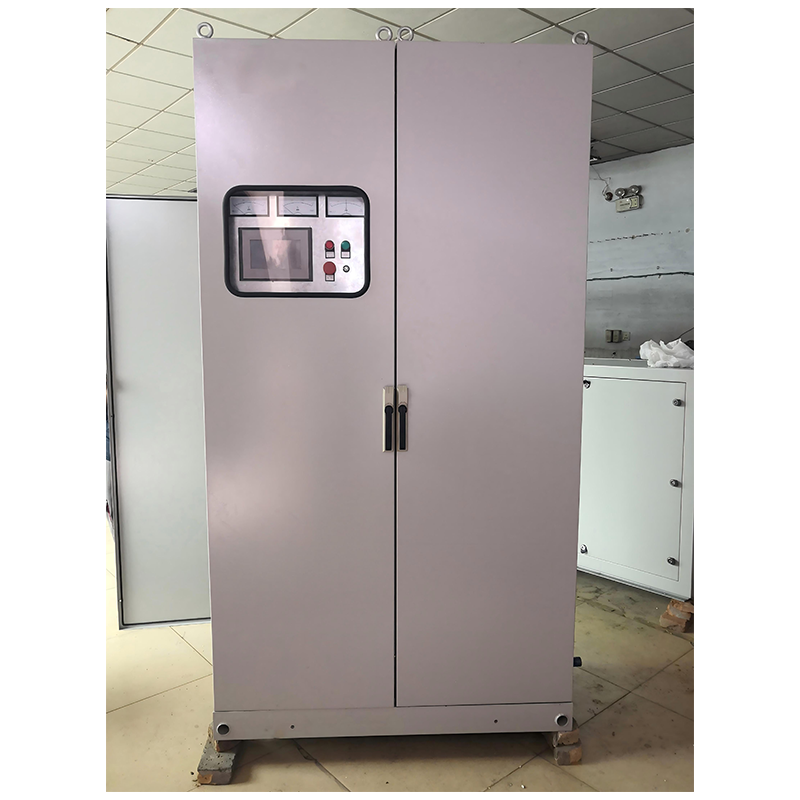
Теория защиты от коррозии становится особенно критичной при создании сложного промышленного оборудования, работающего под экстремальными нагрузками. A striking example a company that implements these principles at the production stage isWuxi Kaisheng Electric Power and Petrochemical Equipment Co., Ltd.. Специализируясь на разработке и выпуске теплообменников и аппаратов для нефтегазовой отрасли, компания демонстрирует, как грамотный подбор сплавов и соблюдение международных стандартов позволяют создавать изделия с исключительной коррозионной стойкостью.
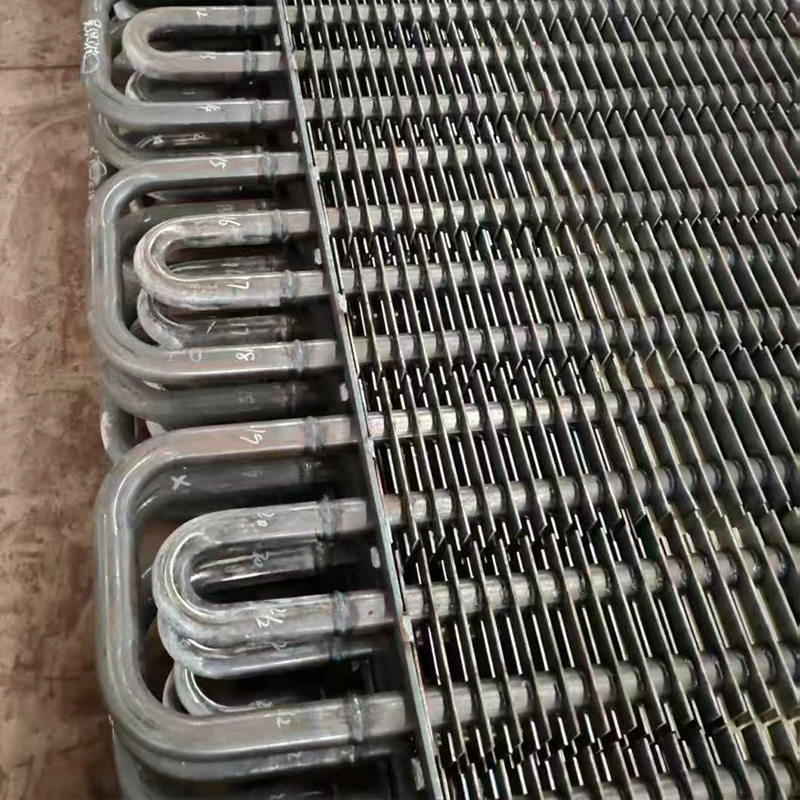
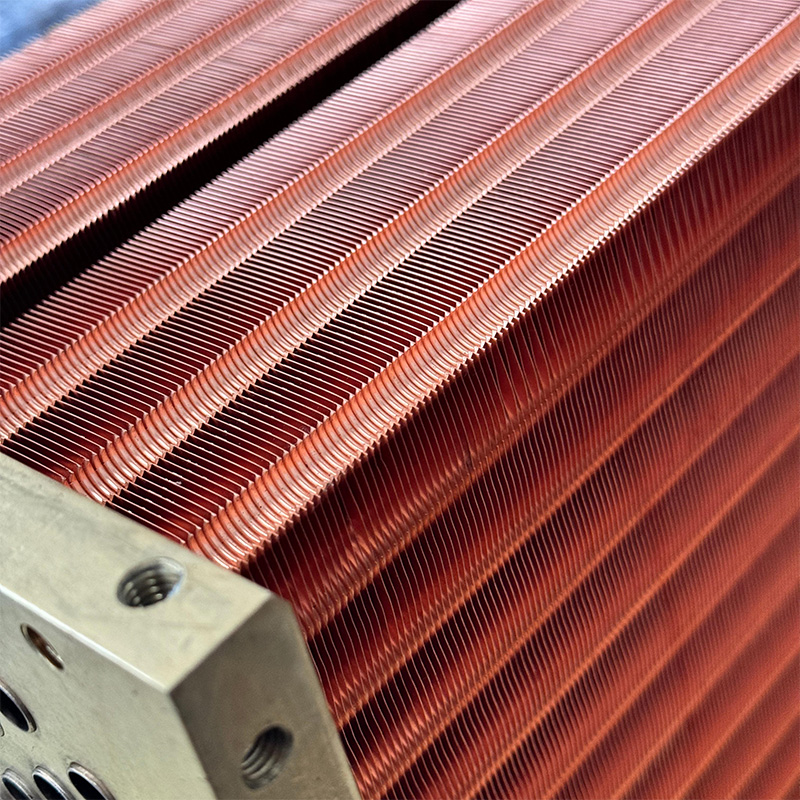
В ассортименте ООО «Уси Кайшэн» представлены титановые кожухотрубные теплообменники и высоконапорные аппараты, сертифицированные по стандартам ASME и PED. Использование таких материалов, как нержавеющая сталь 316, морская латунь C46400, медно-никелевые сплавы C70600 и никелевые сплавы N06625, позволяет эффективно противостоять агрессивным средам, включая морскую воду и химические реагенты. Например, применение трубных пучков из гофрированной нержавеющей стали или специальных сплавов значительно продлевает срок службы оборудования в условиях высоких температур и давлений, минимизируя необходимость частых ремонтов и замен.
Продукция компании широко применяется в нефтепереработке, химической промышленности, опреснении морской воды и судостроении. Подход ООО «Уси Кайшэн», сочетающий индивидуальные инженерные решения с использованием передовых материалов (титан, легированные стали, медные сплавы), подтверждает тезис о том, что надежная защита начинается не с краски, а с правильного выбора базового материала и технологии изготовления. Это позволяет заказчикам по всему миру получать стабильное оборудование, способное работать десятилетиями без потери эффективности.
Frequently Asked Questions
Можно ли наносить краску прямо на ржавчину без очистки?
Технически существуют составы (преобразователи), позволяющие это сделать, но мы категорически не рекомендуем такой подход для ответственных конструкций. Эффективность такой защиты ограничена 2–3 годами и работает только при толщине ржавчины до 50 мкм. В остальных случаях ржавчина продолжит развиваться под пленкой, приводя к скрытому разрушению металла. Надежная антикоррозийная обработка ржавчины невозможна без удаления нестабильных оксидов.
Какая минимальная толщина покрытия необходима для защиты?
Толщина зависит от категории коррозионной агрессивности среды по ISO 12944. Для внутренней жилой среды (C2) достаточно 80–100 мкм. Для промышленной атмосферы (C4) требуется 160–200 мкм. Для морских offshore-зон (C5-M) суммарная толщина должна составлять 280–320 мкм и выше. Измерения проводятся магнитным толщиномером на сухом покрытии.
Как долго можно хранить окрашенные конструкции перед монтажом?
Грунтовочный слой (особенно цинковый) не предназначен для длительной атмосферной эксплуатации без перекрытия. Максимальный срок хранения грунта на открытом воздухе — 3–6 месяцев (зависит от типа связующего). После этого срока требуется дополнительная очистка от продуктов выветривания (меления) перед нанесением следующего слоя. Полная система (грунт + финиш) может храниться до 2–3 лет при отсутствии механических повреждений.
Влияет ли цвет краски на защитные свойства?
Сам по себе пигмент не влияет на антикоррозионную способность барьерного слоя, но влияет на тепловой режим конструкции. Темные цвета сильнее нагреваются на солнце, что может ускорить старение полимерной пленки и изменить температурный градиент металла. Светлые тона (серый, белый) отражают УФ-лучи и снижают температуру поверхности, продлевая срок службы покрытия. Для резервуаров с легковоспламеняющимися жидкостями использование светлых тонов является обязательным требованием пожарной безопасности.
Conclusion and next steps
Эффективная антикоррозийная обработка ржавчины — это сложный инженерный процесс, где успех зависит от синергии правильной подготовки поверхности, грамотно подобранной системы материалов и строгого соблюдения технологии нанесения. Попытки сэкономить на одном из этих этапов неизбежно приводят к многократному удорожанию обслуживания в будущем. Как показывает наш опыт, а также практика ведущих производителей оборудования, таких как ООО «Уси Кайшэн», инвестиции в качество на старте проекта окупаются многократно за счет увеличения межремонтного интервала и сохранения несущей способности конструкций.
Не рискуйте целостностью ваших активов. Если вы столкнулись с выбором системы защиты или сомневаетесь в корректности предложенного вам технического решения, обратитесь к нашим экспертам. Мы проводим бесплатный аудит существующих покрытий и помогаем разработать спецификацию, соответствующую вашим условиям эксплуатации и бюджету.
Заказать консультацию по подбору антикоррозийной системыили свяжитесь с нами сегодня для обсуждения деталей вашего проекта. Помните: лучшая защита от коррозии — это профессиональный подход с первого дня.