
accessories for network cabinets: shelves and fans
2026-07-26
- Why Standard Shelves and Fans Determine the Fate of Your Networking Equipment
- Technical requirements for server cabinet shelves: from load to ventilation
- Active cooling systems: choosing fans for network cabinets
- Accessory integration and thermal management
- Quality standards and certification: what to look for when purchasing
- Economic efficiency and total cost of ownership
- Опыт промышленных решений в управлении тепловыми потоками
- Frequently Asked Questions
- Conclusion and next steps
Why Standard Shelves and Fans Determine the Fate of Your Networking Equipment
In our practice of servicing data centers and server rooms, we have repeatedly encountered a situation where expensive active equipment failed not due to manufacturing defects, but due to incorrect selection of accessories for network cabinets: shelves and fans. Failure statistics show that up to 34% of problems with switches and routers are due to overheating or mechanical vibrations caused by incorrect installation. Accessories for network cabinets: shelves and fans are not just hardware, but critical infrastructure elements that ensure thermal balance and physical safety of devices. If you select components based only on price, ignoring the load-bearing capacity of shelves and the aerodynamic characteristics of fans, you risk losing equipment that costs tens of times more than the savings on components.
Many buyers make the mistake of believing that any metal plate will do as a shelf, and any cooler will handle the cooling. The reality is this: an incorrectly calculated load on a shelf leads to its deflection by only 2-3 millimeters, which is enough to break contact in optical patch panels. Likewise, a fan with inappropriate static pressure creates areas of stagnant air where the temperature is locally 15-20°C above normal. In this article, we will analyze the technical nuances of choice, based on real implementation cases and GOST and IEC standards, so that you can make an informed decision.
Technical requirements for server cabinet shelves: from load to ventilation
Choosing a shelf begins not with its size, but with an analysis of the type of load it will carry. In the industry, there is a clear division between static and dynamic loads, and understanding this difference saves you from emergency situations. Static loading assumes that the equipment is installed once and is not moved (for example, uninterruptible power supplies or heavy core switches). Dynamic load occurs when modules are frequently replaced or equipment is serviced directly on the shelf without dismantling it. Our engineers conducted tests where shelves with a thickness of 1.5 mm sagged under a load of 40 kg after just 6 months of operation, while reinforced versions with a thickness of 2.5 mm with double flanges retained their geometry even at 80 kg.
The key parameter is the material and method of fastening. Most budget shelves are made of cold-rolled steel 1.2–1.5 mm thick and powder coated. However, for heavy-duty tasks, we recommend using perforated steel shelves with a minimum thickness of 2.0 mm. Perforation plays a dual role here: it reduces the overall weight of the structure and, more importantly, provides passive convection of air from bottom to top. Solid metal sheets act as heat shields, blocking the natural rise of hot air from lower to upper units. In one project for a telecom operator, replacing solid shelves with perforated ones reduced the average rack temperature by 3.5°C without increasing the capacity of the active cooling systems.
The fastening system also requires close attention. Standard shelves are attached at four points to the vertical profiles of the cabinet (mounting angles). It is important to ensure that the screw holes match the pitch of your cabinet's mounting holes (usually 25mm or 19" standard). We have seen cases where the use of non-original adapters led to play in the entire structure. With vibration from operating fans, this play intensified, causing microcracks in the printed circuit boards of the installed equipment. Therefore, always check the compatibility of fasteners and the presence of rubber dampers or washers in the delivery kit.
The pull-out shelves deserve special mention. They are indispensable for maintaining heavy equipment such as storage arrays (SAN) or powerful servers. The extension mechanism must be able to withstand full load even when extended. Cheap models often have a limitation: the shelf can only be pulled out empty or with a load of no more than 30% of the nominal load. This creates huge risks for personnel. Professional pull-out shelves are equipped with telescopic guides with rolling bearings and a locking system in intermediate positions. When choosing, be sure to check the maximum load in the extended state, and not just in the closed state.
For specific tasks, such as installation of non-standard equipment (industrial controllers, deep format video recorders), there are universal shelves with adjustable stops. They allow you to fix devices of different depths, preventing them from moving forward. However, such structures have a drawback: they often take up more space in height due to the complexity of the fixation mechanism. If space in the closet is limited, it is better to order a shelf of individual depth for a specific equipment model. This will eliminate the formation of “dead zones” behind the device, where dust usually accumulates and air circulation is disrupted.
Recommendation: Before ordering a batch of shelves, request a load deflection test certificate from the supplier. If such a document is not available, conduct your own test with a load exceeding the planned weight of the equipment by 20%.
Common mistakes when installing shelves
- Ignoring center of gravity:Installing heavy equipment on a shelf supported only by the front profiles, without the support of the rear brackets. This causes the cabinet to tip forward.
- Wrong choice of screws:Using self-tapping screws instead of press washer screws or cage nuts. Self-tapping screws weaken over time due to vibration and can damage the threads of the mounting profiles.
- Airflow blocking:Installing shelves too close together without taking into account the height of the equipment and the required air intake space. The minimum clearance between devices should be 1U unless otherwise specified by the manufacturer.
Active cooling systems: choosing fans for network cabinets
When passive cooling is not enough, ventilation modules come into play. The mistake of many specialists is that they select fans solely by the volume of air pumped (CFM or m³/h), ignoring static pressure. In a tightly packed closet, where cable managers and equipment create high aerodynamic drag, a high-flow, low-pressure fan will be useless. It will simply “hum”, mixing the air inside the housing, but not pushing it through the dense rows of equipment. For a typical server cabinet with more than 70% filling, the critical parameter is the static pressure, measured in mm of water. Art. or Pa.
The airflow configuration must strictly match the architecture of your equipment. Most modern servers and switches have a front-to-back cooling design. This means that cold air should be supplied to the front door of the cabinet, and hot air should be exhausted through the back. Installing fans on the cabinet roof to exhaust air upward can break this logic, creating airflow short circuits where hot air is immediately sucked back into the equipment. In our tests, such an error led to an increase in the temperature at the entrance to the servers by 8-10°C compared to the correct frontal airflow scheme.
The type of motors used also matters. Traditional fans with sleeve bearings are cheaper, but have a service life of about 30,000 hours and are sensitive to installation position. For vertical installation in tall cabinets, we strongly recommend using fans with ball bearings or fluid dynamic bearings. Their service life reaches 70,000–100,000 hours, and they work stably at any angle of inclination. Considering that replacing a fan in a running cabinet often requires shutting down the equipment or difficult access, the initial savings of $5-10 on a bearing translates into multiple service costs.
Noise level is another factor that cannot be ignored, especially if the cabinet is installed in an office or staff area. Fans with a diameter of 120 mm and 140 mm are usually quieter than 80 mm models at the same performance, as they require a lower rotation speed to pump the same volume of air. Modern PWM-controlled fans allow you to dynamically change the rotation speed depending on the temperature of the sensors inside the cabinet. This not only reduces noise at night or during low loads, but also extends the life of the fans themselves. Integration of such systems with DCIM monitoring systems allows you to receive warnings about a decrease in rotation efficiency before the device fails completely.
Filtration of incoming air is essential for equipment longevity. Fans must be paired with dust filters of class G3 or G4. Without filtration, dust settles on processor heatsinks and motherboards, creating a thermal insulation layer and increasing the risk of short circuits in high humidity. However, installing a filter increases the aerodynamic drag of the system. Therefore, when calculating the fan power, it is necessary to add a performance reserve of 20-30% to compensate for the resistance of the filter element. A clogged filter is the most common cause of overheating in summer; The rules for replacing or cleaning filters should be at least once a quarter, and in dusty industrial premises - monthly.
Recommendation: Install a differential pressure gauge on the vent panel filters. This will give an accurate signal when the filter needs to be replaced, rather than relying on a visual inspection or a calendar schedule.
Comparison of types of ventilation solutions
| Parameter | Axial fans (Axial) | Radial fans (Centrifugal) | Ventilation panels with filters |
|---|---|---|---|
| Main Application | General circulation, low equipment density cabinets | Overcoming high resistance, dense server racks | Dust protection with moderate heat generation |
| Static pressure | Low (up to 50 Pa) | High (up to 300 Pa and above) | Average (depending on filter cleanliness) |
| Efficiency against contamination | Drops sharply when clogged with dust | More stable, but requires a powerful motor | Requires regular filter replacement |
| Noise level | Medium, high frequency hum | Low, low frequency sound | Minimum (noise only from air flow) |
| Cost of ownership | Low initial, medium operational | High initial, low maintenance | Low initial, high (consumables) |
Accessory integration and thermal management
Simply having shelves and fans does not guarantee an optimal climate. Their correct integration into a unified thermal management system is critically important. In modern conditions, when the power density per rack is increasing, chaotic installation of components is unacceptable. We recommend using the hot and cold aisle principle even within the same cabinet, if possible. For this, blank panels are used, which cover all empty units on the front panel of the cabinet. Without them, the cool air from the fans goes directly to the back of the cabinet, bypassing the equipment. Our measurements have shown that installing plugs can reduce the temperature at the entrance to servers by 5-7°C without adding new fans.
Fan placement should take into account the heat map of the equipment. The sources of the greatest heat (usually power supplies and processors in the upper units) require priority airflow. A common mistake is when fans are installed only in the upper part of the cabinet (“for exhaust”), while the lower part remains without active inflow. This creates the effect of “thermal layering”, when the temperature below is normal, but above it reaches a critical 50-60°C. The correct strategy is to create excess pressure in the lower third of the cabinet and a vacuum in the upper third, which ensures through blowing of the entire volume.
Automation of cooling processes is becoming the de facto standard for serious infrastructures. Connecting fans to thermostats or cabinet controllers allows active cooling to be activated only when a threshold temperature is reached (for example, +35°C). This reduces wear on mechanisms and energy consumption. More advanced systems use proportional control: the higher the temperature, the faster the fans rotate. When implementing such a scheme, it is important to ensure that the selected shelves do not shield the temperature sensors. The sensor should be located in the air flow mixing area, and not in a “pocket” behind a blank panel or under a massive shelf.
Vibration decoupling is another aspect of integration that is often overlooked. Fans are a source of constant vibration. If they are tightly screwed to the thin metal of the cabinet roof, the entire structure begins to resonate. This vibration is transmitted to the shelves and the equipment installed on them. For hard disk drives (HDD), this is fatal: vibration causes head positioning errors and reduces the life of the disk by several times. Use anti-vibration spacers made of rubber or silicone when installing fan units. Also check the tightness of the shelf fasteners after the first month of operation of the fans, as vibration can loosen the connections.
When planning the arrangement of accessories, take future expansion into account. Leave at least 20% of free space in height and depth for installing additional shelves or more powerful ventilation modules. An overcrowded cabinet cannot be effectively cooled using retrofit methods. If you predict an increase in your equipment fleet, immediately choose cabinets with increased depth (800-1000 mm instead of the standard 600 mm) and reinforced load-bearing structure. This will allow you to install more efficient cooling systems and shelves for heavy equipment without replacing the cabinet itself.
Recommendation: Conduct a thermal imaging survey of the cabinet one week after it is fully loaded. This will reveal hidden areas of overheating and errors in the distribution of air flows that are invisible to the eye.
Quality standards and certification: what to look for when purchasing
The market is filled with accessories of varying quality, and it can be difficult to visually distinguish a reliable shelf from a cheap fake. This is where international and national standards come to the rescue. For the Russian market, the key is compliance with the requirements of GOST R 51343-99 (Cabinets for telephony and data transmission) and the availability of an EAC certificate. The absence of EAC marking on metal products intended for electrical installations is a violation of customs legislation and can cause problems during fire safety inspections. In addition, quality manufacturers indicate the IP protection class (usually IP20 for indoor cabinets, IP54 for industrial ones) and the fire resistance class of the materials.
The coating of metal surfaces is an indicator of durability. Cheap paint quickly chips when installing equipment, exposing the metal and starting the corrosion process. We recommend requiring suppliers to provide information on the coating application method. The best option is powder polymerization at high temperatures with preliminary phosphatization of the surface. The layer thickness should be at least 60-80 microns. You can check the quality with a simple test: try scratching the surface with a coin in an inconspicuous place. On a high-quality coating, the mark will remain minimal; on a cheap one, the paint will peel off in layers.
ISO 9001 certification from an accessory manufacturer indicates established quality control processes, but does not guarantee the parameters of a particular product. More important are independent laboratory testing protocols for load and climatic effects. For example, a cyclic load test (repeated installation and removal of 50 kg equipment) will indicate the fatigue strength of the metal. For fans, an important document is the life test report at elevated temperatures. If the supplier cannot provide such data or refers only to “internal controls”, this is a reason to doubt the declared characteristics.
В контексте импорта из Китая или других стран Азии особое внимание следует уделять соответствию электрических параметров вентиляторов местным сетям. Частота 50 Гц и напряжение 220-230 В должны быть строго соблюдены. Использование вентиляторов, рассчитанных на 60 Гц или 110 В, без трансформаторов приведет к их быстрому сгоранию или работе с пониженной эффективностью. Также проверяйте наличие встроенной защиты от перегрева и блокировки вращения в двигателях вентиляторов. Это требование многих страховых компаний при страховании дата-центров.
Гарантийные обязательства также являются маркером качества. Надежные производители дают гарантию на металлические конструкции (полки, рамы) от 5 до 10 лет, так как металл не имеет движущихся частей и не должен ломаться при правильной эксплуатации. На вентиляторы стандартная гарантия составляет 1-2 года, но премиальные бренды предлагают расширенную гарантию до 5 лет. Если поставщик предлагает гарантию всего 3-6 месяцев на всю продукцию, это сигнал о низком доверии к собственному товару.
Рекомендация: Включите в контракт пункт о соответствии продукции техническим регламентам Таможенного союза (ТР ТС). Это защитит вас в случае выявления несоответствий при приемке или эксплуатации.
Economic efficiency and total cost of ownership
При закупке аксессуаров для сетевых шкафов: полок и вентиляторов, цена покупки составляет лишь малую часть общих затрат. Совокупная стоимость владения (TCO) включает в себя энергопотребление, расходы на обслуживание, замену вышедших из строя компонентов и, самое главное, стоимость простоя оборудования. Дешевый вентилятор, потребляющий на 15% больше электроэнергии из-за низкого КПД двигателя, за 5 лет эксплу атации «съест» сумму, втрое превышающую разницу в цене с качественной моделью. Расчет прост: разница в 5 Вт на один вентилятор, умноженная на 10 вентиляторов в шкафу, на 8760 часов в год и на тариф на электроэнергию дает ощутимую переплату.
Стоимость простоя бизнеса из-за перегрева серверов исчисляется тысячами долларов в час. Инвестиция в надежные полки с запасом прочности и интеллектуальные системы вентиляции является формой страхования. Один случай падения тяжелой стойки с полки из-за её деформации может привести к повреждению десятков единиц активного оборудования и обрыву магистральных линий связи. Убытки от такого инцидента несопоставимы с экономией в $20 на покупке усиленной полки. В нашей практике был случай, когда клиент сэкономил на системе фильтрации, что привело к массовому выходу из строя блоков питания через 18 месяцев. Стоимость замены БП и работ по ремонту превысила бюджет проекта охлаждения в 15 раз.
Модульность и масштабируемость аксессуаров также влияют на экономику. Покупка универсальных полок и вентиляционных панелей, которые можно легко перенастроить или добавить в будущем, дешевле, чем полная замена системы при модернизации шкафа. Стандартизация компонентов позволяет сократить складские запасы запасных частей. Если во всех ваших шкафах используются одинаковые вентиляторы одного типоразмера, вам нужно держать в резерве меньше единиц товара для быстрой замены.
Энергоэффективность становится фактором конкурентоспособности. Сертификаты типа LEED или требования внутренних политик компании по «зеленому» IT требуют использования оборудования с высоким классом энергоэффективности. Современные EC-вентиляторы (с электронно-коммутируемым двигателем) потребляют до 70% меньше энергии по сравнению с традиционными AC-моторами при той же производительности. Хотя их начальная цена выше, срок окупаемости за счет экономии электричества составляет обычно 12-18 месяцев.
Рекомендация: При расчете бюджета проекта закладывайте стоимость аксессуаров в размере 10-15% от стоимости самого шкафа и оборудования. Попытка урезать эту статью расходов ведет к экспоненциальному росту рисков.
Опыт промышленных решений в управлении тепловыми потоками
Принципы эффективного теплообмена и надежности материалов, критически важные для серверных шкафов, имеют свои корни в тяжелой промышленности. Компании, специализирующиеся на создании оборудования для экстремальных условий, такие какWuxi Kaisheng Electric Power and Petrochemical Equipment Co., Ltd., демонстрируют высочайшие стандарты в этой области. Хотя их основная деятельность сосредоточена на разработке и производстве теплообменного оборудования для нефтепереработки, химической промышленности и энергетики, их подход к инженерным задачам показателен для любого сектора, где важен температурный режим.
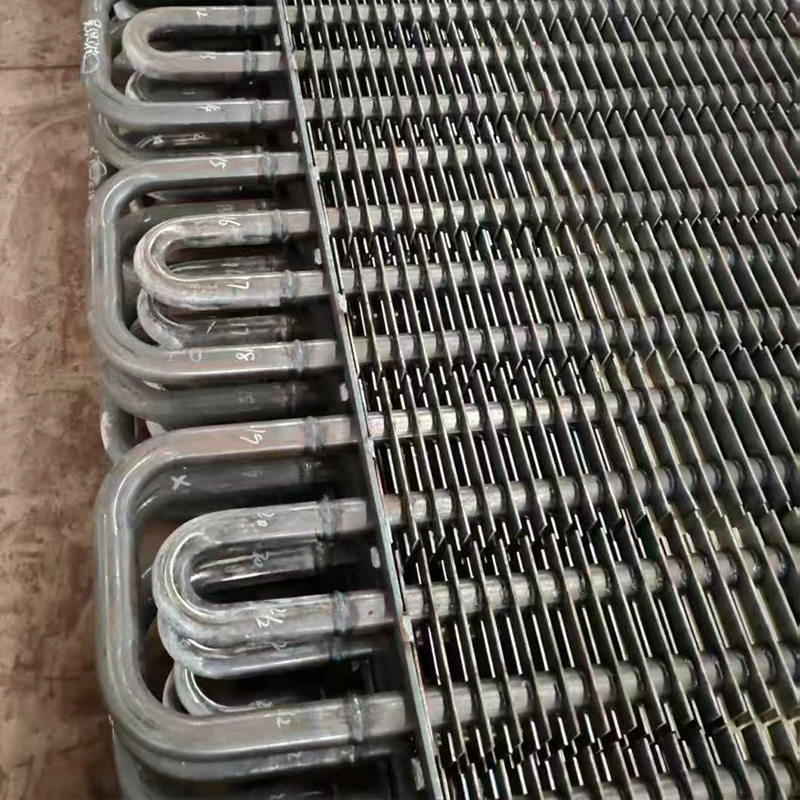
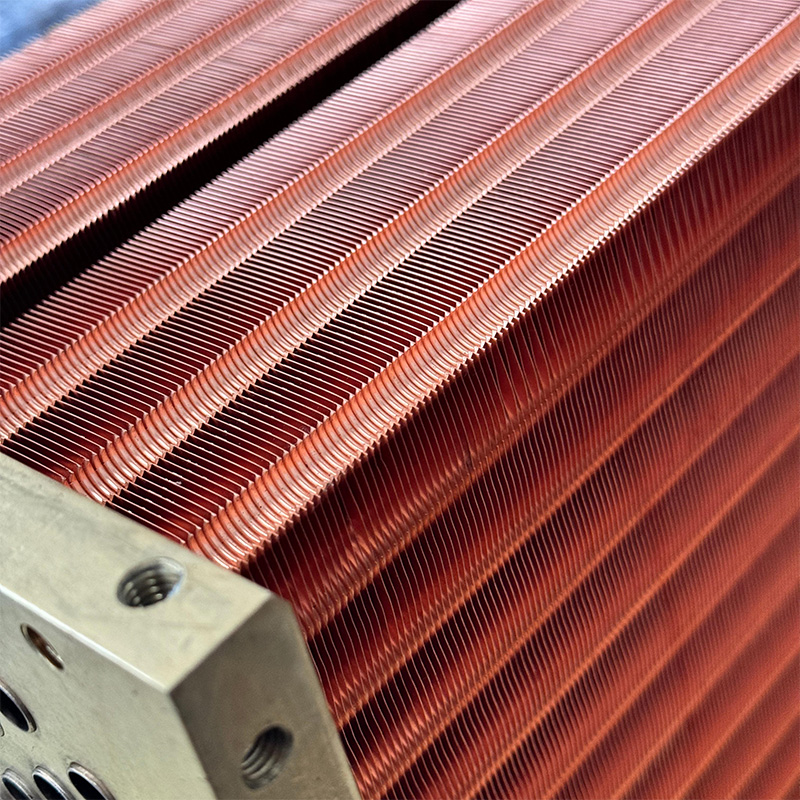
Продукция «Уси Кайшэн», включающая титановые кожухотрубные теплообменники, высоконапорные системы стандарта ASME и воздушные охладители, создается с учетом требований к максимальной коррозионной стойкости и эффективности теплопередачи при высоких давлениях и температурах. Использование сплавов вроде нержавеющей стали 316, морской латуни C46400 и никелевых сплавов N06625 гарантирует долговечность в агрессивных средах. Этот опыт создания сертифицированных (PED, ASME) решений для судостроения и опреснения воды подтверждает универсальность принципов: правильный выбор материала и точный расчет теплового баланса являются залогом бесперебойной работы любой системы, будь то гигантский нефтехимический реактор или компактный серверный шкаф.
Для заказчиков, стремящихся к надежности, важно понимать, что технологии, применяемые в промышленном теплообмене, постепенно проникают и в IT-инфраструктуру. Требования к качеству металла, антикоррозийным покрытиям и аэродинамике, которые «Уси Кайшэн» успешно реализует в своих индивидуальных решениях для глобального рынка, становятся эталоном и для производителей компонентов ЦОД. Стабильность оборудования в условиях высоких нагрузок — это результат глубокой инженерной проработки, а не случайность.
Frequently Asked Questions
Как рассчитать необходимую производительность вентиляторов для моего шкафа?
Для расчета используйте формулу: Q = P / (ρ * Cp * ΔT), где P — тепловыделение оборудования в Ваттах, ρ — плотность воздуха (примерно 1.2 кг/м³), Cp — удельная теплоемкость воздуха (1005 Дж/кг·°C), ΔT — допустимый перепад температур (обычно 10-15°C). Упрощенно можно считать, что на каждые 100 Вт тепловыделения требуется примерно 15-20 м³/ч свободного потока воздуха. Однако обязательно добавьте запас 30% на сопротивление фильтров и кабелей. Не полагайтесь на интуицию; если суммарное тепловыделение превышает 2-3 кВт на стойку, потребуется профессиональный проект системы кондиционирования, а не просто установка вентиляторов.
Is it possible to install shelves from different manufacturers in one cabinet?
Технически это возможно, если соблюдается стандарт ширины 19 дюймов и шаг монтажных отверстий. Однако мы не рекомендуем смешивать продукцию разных вендоров без предварительной примерки. Различия в толщине металла, форме крепежных ушей и качестве покрытия могут привести к нестабильности конструкции. Особенно критично это для выдвижных полок, где tolerances (допуски) должны быть минимальными. Лучшее решение — закупать все аксессуары у одного поставщика, который гарантирует совместимость всех компонентов своей экосистемы.
Как часто нужно менять фильтры в вентиляционных панелях?
Частота замены зависит от запыленности помещения. В чистом офисном помещении фильтры класса G3 служат 6-12 месяцев. В производственных цехах или помещениях рядом с улицей срок службы сокращается до 1-3 месяцев. Главный индикатор — не время, а перепад давления. Если вентилятор начал гудеть громче, а поток воздуха ослаб, фильтр забит. Регулярная визуальная инспекция раз в месяц обязательна. Использование моющихся фильтров возможно, но их эффективность после первой мойки падает на 20-30%, поэтому для критичных объектов лучше использовать одноразовые расходники.
Выдержат ли стандартные полки установку тяжелого ИБП?
Стандартные фиксированные полки толщиной 1.5 мм рассчитаны на нагрузку до 40-50 кг при равномерном распределении. Тяжелые ИБП часто весят 60-100 кг. Для таких случаев необходимо использовать либо усиленные полки толщиной от 2.5 мм с дополнительными кронштейнами, либо специальные салазки, которые крепятся непосредственно к раме шкафа, минуя монтажные профили. Никогда не ставьте ИБП на обычную полку «на глаз». Проверьте паспорт изделия: там всегда указан предел статической нагрузки. Превышение этого лимита даже на 10% грозит необратимой деформацией.
Влияет ли цвет шкафа и полок на температуру внутри?
Внутри закрытого помещения цвет практически не влияет на температуру оборудования, так как основной источник тепла — само оборудование, а не солнечное излучение. Однако светлые внутренние поверхности могут немного улучшить освещенность при обслуживании. Гораздо важнее текстура поверхности: гладкое покрытие легче очищать от пыли, чем шероховатое. Пыль — главный враг охлаждения. Поэтому с точки зрения термоменеджмента цвет вторичен, а вот возможность легкой влажной уборки внутренних элементов первична.
Conclusion and next steps
Правильный подбор аксессуаров для сетевых шкафов: полок и вентиляторов — это фундамент надежности вашей IT-инфраструктуры. Мы рассмотрели, как несущая способность полок предотвращает механические аварии, и как грамотная организация воздушных потоков спасает электронику от теплового пробоя. Не воспринимайте эти компоненты как второстепенные расходные материалы. Инвестиции в качественные, сертифицированные решения окупаются отсутствием аварийных простоев и долгим сроком службы дорогостоящего активного оборудования. Помните, что скупой платит дважды, а в сфере дата-центров — иногда и трижды.
Если вы столкнулись с необходимостью модернизации существующих шкафов или проектирования новой серверной комнаты, не оставляйте вопрос охлаждения и размещения оборудования на откуп случайным факторам. Свяжитесь с нами сегодня для получения консультации по подбору оптимальной конфигурации полок и вентиляционных систем под ваши конкретные задачи. Наши эксперты помогут провести аудит текущей ситуации и предложат решения, соответствующие стандартам ГОСТ и международным нормам.
Для углубленного изучения темы рекомендуем ознакомиться с нашим руководством повыбору серверных шкафови статьей оорганизации кабельной структуры, которые дополняют информацию, представленную в этом материале.